No products in the cart.
Shop all products
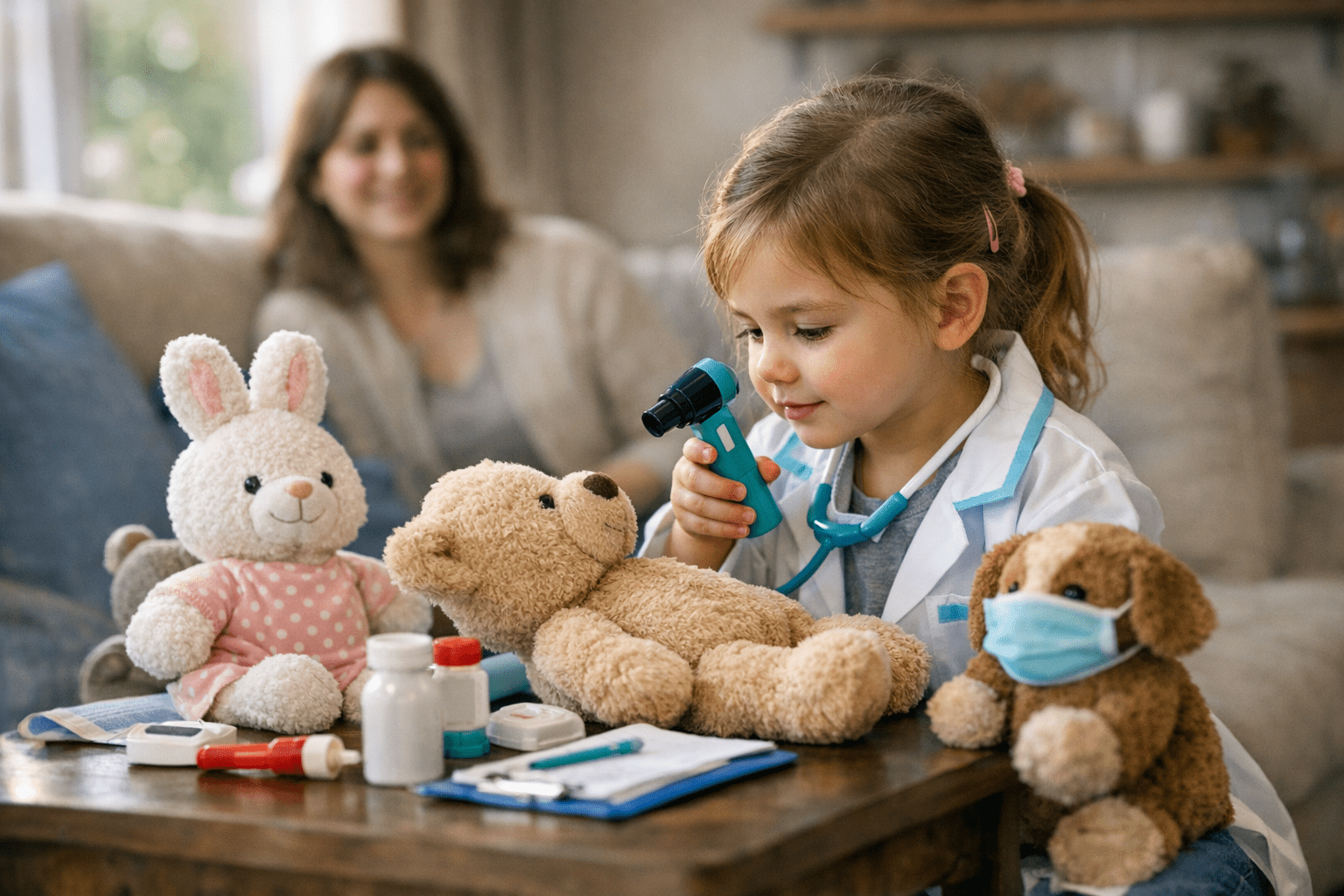
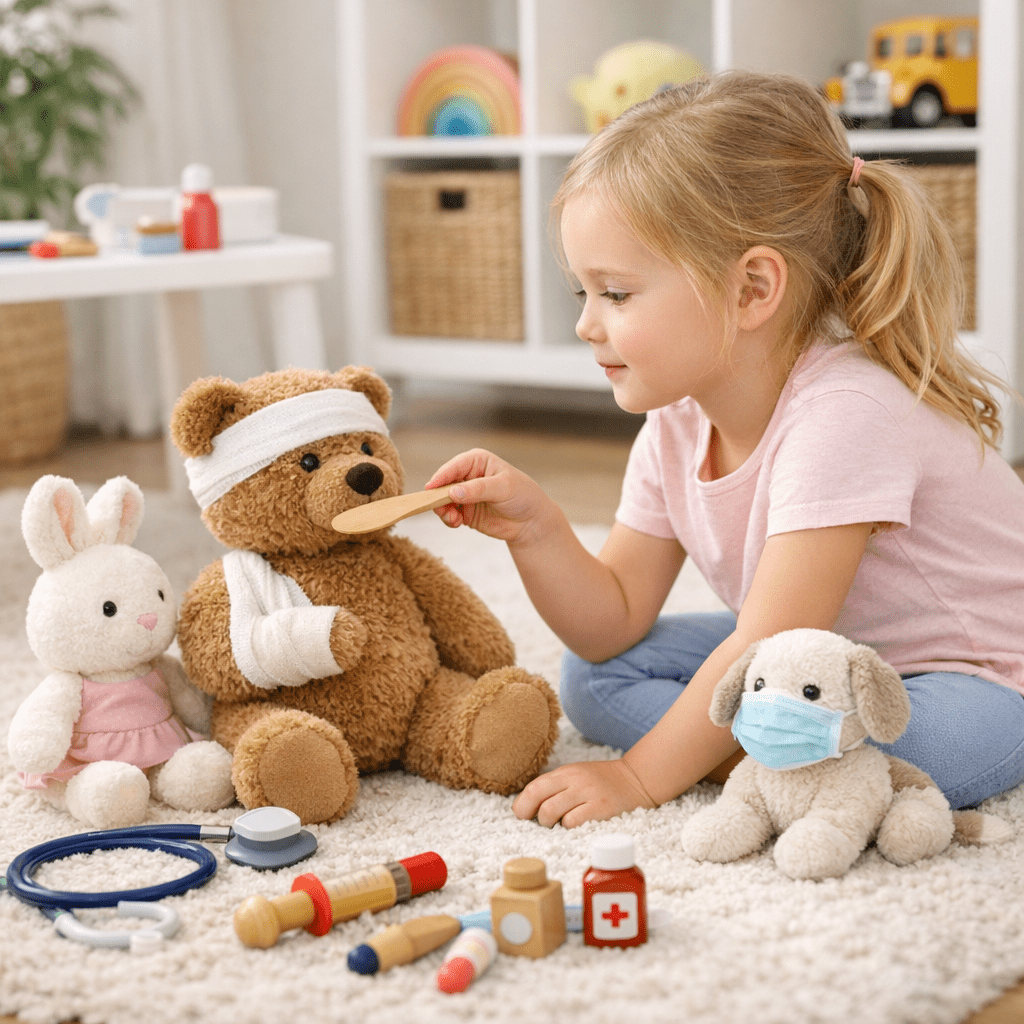
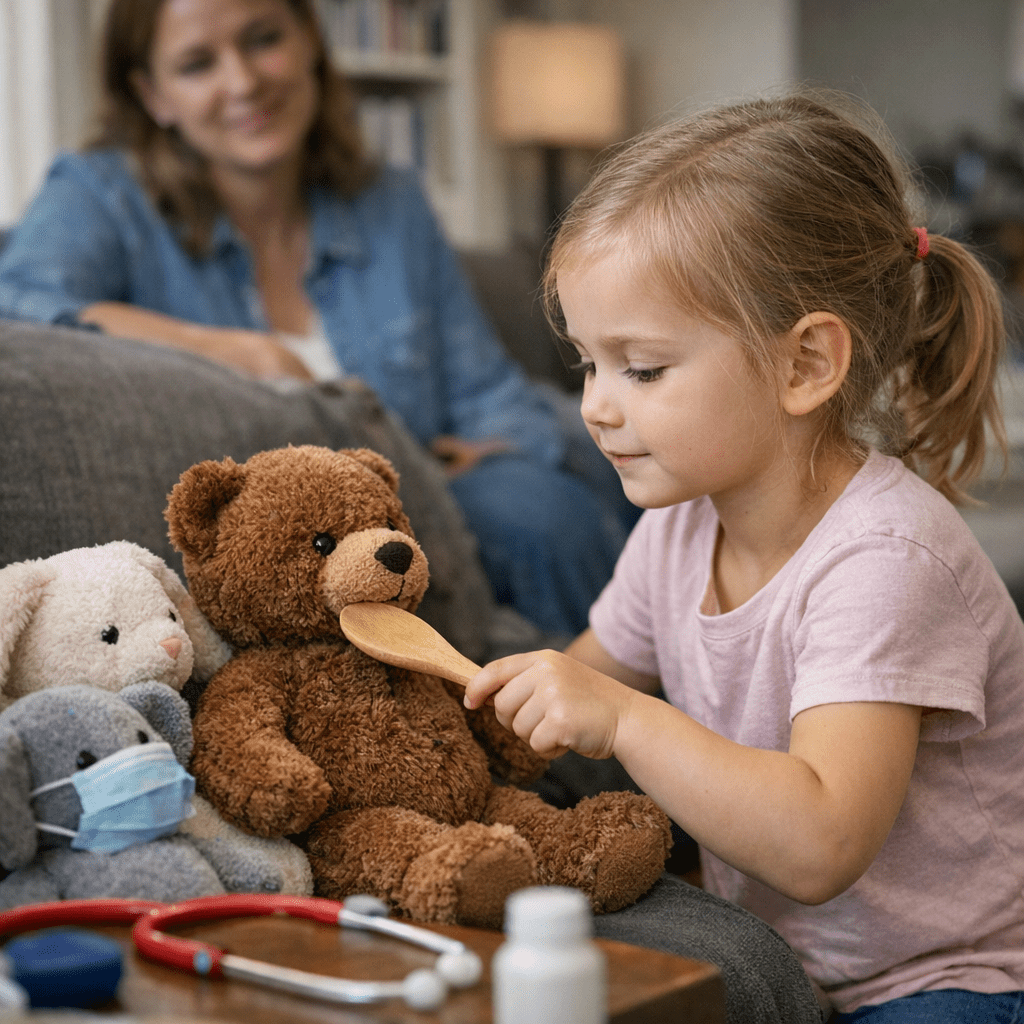
Here’s a scene you’ve probably witnessed: your child grabs a wooden spoon, announces it’s now a “thermometer,” and starts diagnosing every stuffed animal in sight. It’s adorable—and messy—but also the first sign they might love pretend play. Doctor sets are perfect for fostering imagination, teaching empathy, and maybe even easing those dreaded doctor visits. But let’s be real: not all doctor play sets are created equal.
Some come with cheap plastic pieces that snap in half after one enthusiastic check-up. Others include tiny parts that mysteriously find their way into noses or worse, underfoot at 2 a.m. So how do you pick a set that’s both fun and safe for your little one? Let’s break it down.
—
Why Safety Is Non-Negotiable
Kids aged 3-7 are curious little explorers. They’ll taste-test the toy syringe, fling the stethoscope like a lasso, and jam the otoscope into their sibling’s ear (don’t worry—you’re not alone). That means safety standards aren’t just nice-to-haves; they’re essential.
In 2026, toy recalls in the U.S. increased by about 12% compared to last year, according to Consumer Product Safety Commission (CPSC) data. Many were due to choking hazards or small parts breaking off unexpectedly. The last thing you want is for playtime to turn into an emergency room visit.
—
Key Features of Safe Doctor Play Sets
Here are the must-haves when assessing safety in any pretend doctor kit:
1. Non-Toxic Materials
Kids chew on things—it’s just science (or maybe teething). Look for labels like BPA-free plastic or EN71-certified materials (a European safety standard). Wooden sets with water-based paints are another great option if eco-friendliness matters to you.
Red Flag: If there’s a strong chemical smell when you open the box, it could mean unsafe materials or poor manufacturing processes.
2. No Small Parts for Under-3s
Even if your child is older than three, consider younger siblings or visiting toddlers who could get hold of those tiny band-aid stickers or loose screws from poorly made kits.
Pro Tip: If any piece fits inside a toilet paper roll tube, it’s officially too small for unsupervised play.
3. Durability Over Time
You don’t want to replace this set every six months because pieces crack under pressure—or disappear altogether after one chaotic weekend at Grandma’s house.
Look for sturdy designs like solid wood tools or thick ABS plastic components that can handle rough play sessions without breaking apart.
4. Rounded Edges & Soft Accessories
Avoid sharp corners or rigid plastic instruments that could scrape skin or poke eyes during enthusiastic check-ups! Flexible tubing on stethoscopes is safer than hard cords too.
Los 7 mejores sets de maquillaje para niñas bajo $50 en 2024: guía práctica con
—
Comparing Popular Options
Let’s dissect some common types of doctor kits available right now and figure out which ones hit the sweet spot between fun and safety:
| Brand/Type | Materials | Age Range | Safety Features | Price Range (€) |
|—————————|——————–|————-|———————————————|—————–|
| Wooden Doctor Kits | Wood + Fabric | 3+ | Water-based paint; no sharp edges | €25-€40 |
| Plastic Toy Sets | ABS Plastic | 4+ | BPA-free; rounded corners | €15-€30 |
| Electronic Kits w/ Lights & Sounds | Mixed Plastics + LEDs | 5+ | Needs supervision due to batteries/small parts | €30-€50 |
—
What About Fancy Add-ons?
Some kits come loaded with extras like light-up thermometers or sound-making blood pressure cuffs. While these can add excitement, they also introduce risks like choking hazards from button batteries or wires that fray over time if not properly insulated.
If you’re going high-tech, supervise closely—especially with kids under five—or skip these features altogether until your child has better impulse control (read: stops trying to eat everything).
—
Real-Life Scenarios You Should Prepare For
So what happens when theory meets reality? Here are some common situations parents encounter with doctor kits—and how smart choices upfront can save your sanity later:
1. Cleaning Chaos: Your child decides their teddy bear needs “medicine” made from chocolate syrup and crushed Cheerios… all over the toy tools.
Cómo iniciar un negocio de dropshipping de juguetes desde cero: guía práctica co
- Solution: Opt for washable materials whenever possible!
2. Sibling Drama: One kid wants to use the stethoscope while another insists it’s their turn.
- Solution: Choose kits with multiples of popular items (like two syringes vs one). Sharing isn’t always realistic at this age.
3. Unexpected Fragility: The thermometer breaks mid-play because someone decided it was actually a hammer.
- Solution: Check online reviews specifically mentioning durability before buying anything questionable.
4. Lost Pieces: That reflex hammer? Gone forever under the couch within days.
- Solution: Keep an organizer box nearby—and avoid overly complex sets unless you thrive on scavenger hunts!
—
Tradeoffs Worth Considering
Let me guess—you’re torn between something affordable but basic versus pricier options brimming with accessories? Same here! I struggled when picking out my nephew’s first doctor kit last Christmas because every choice had its own tradeoff:
- Budget Kits: Great price but often lack durability or include fewer tools.
- Premium Sets: More engaging features but harder on your wallet—and sometimes unnecessarily complicated.
- Eco-Friendly Wooden Options: Sustainable but may feel less exciting due to lack of techy features like lights/sounds.
Ultimately? Go with what suits your kid best—not Pinterest-perfect aesthetics! If they’ll spend hours poking plushies happily without needing flashing buttons… skip those extras entirely and focus on longevity instead.
—
Where To Learn More About Related Toys
Thinking beyond doctor sets? Role-playing toys offer endless ways for kids’ imaginations (and fine motor skills!) to grow safely:
- Check out this guide on beauty role-play toys if your kid loves “makeovers.”
- Or this comparison of chef playsets featuring realistic cooking sounds—it’ll spark dinner-table creativity!
For advice on pretend makeup kits designed specifically with safety-conscious parents in mind, learn more here.
—
Final Takeaway: Start Simple & Build From There
When choosing a pretend doctor set for ages 3–7, start small—literally and figuratively—with durable basics made from safe materials like BPA-free plastic or painted wood. Add complexity only as your child grows into it! And remember—the safest toy is always one paired with engaged supervision… plus maybe just enough coffee nearby when things inevitably go chaotic mid-checkup session!
Related Links