No products in the cart.
Shop all products
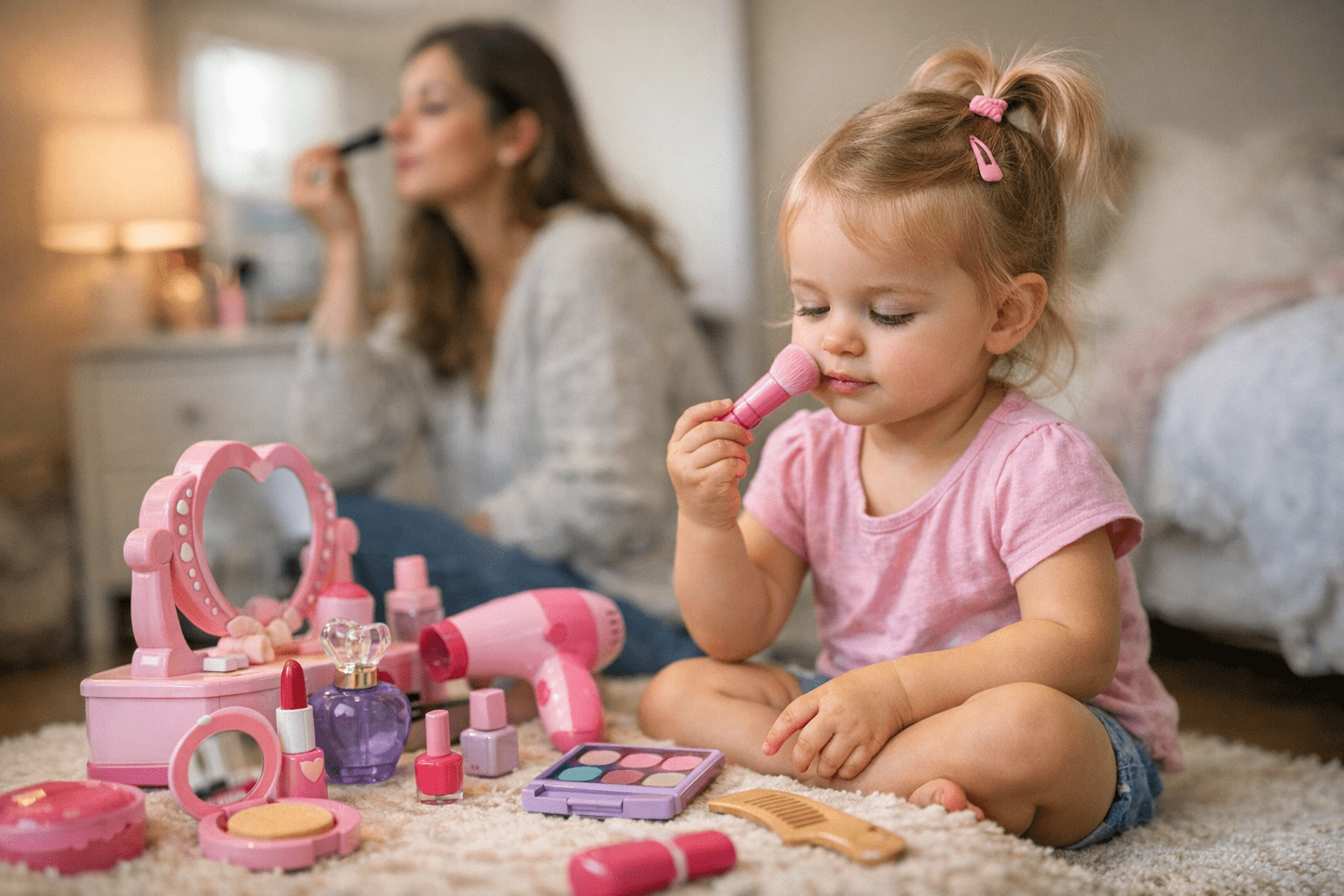
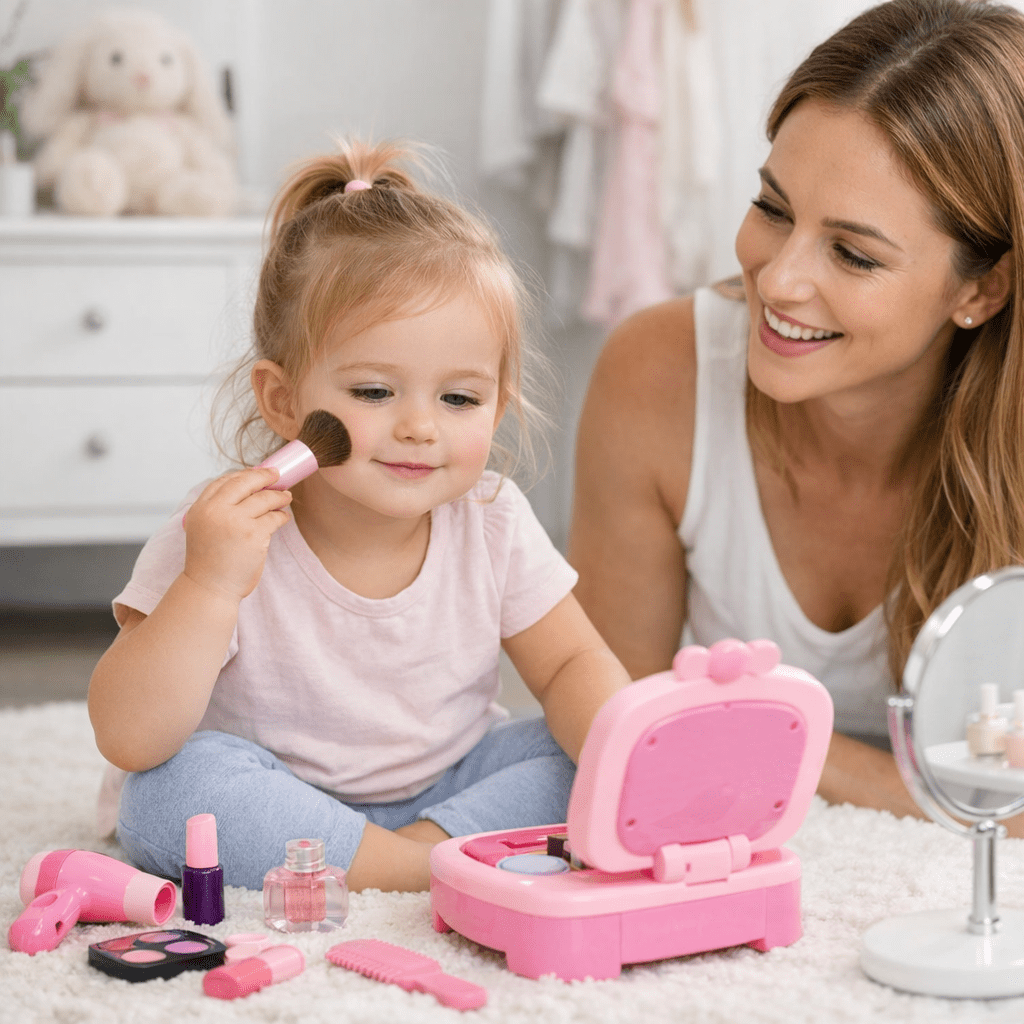
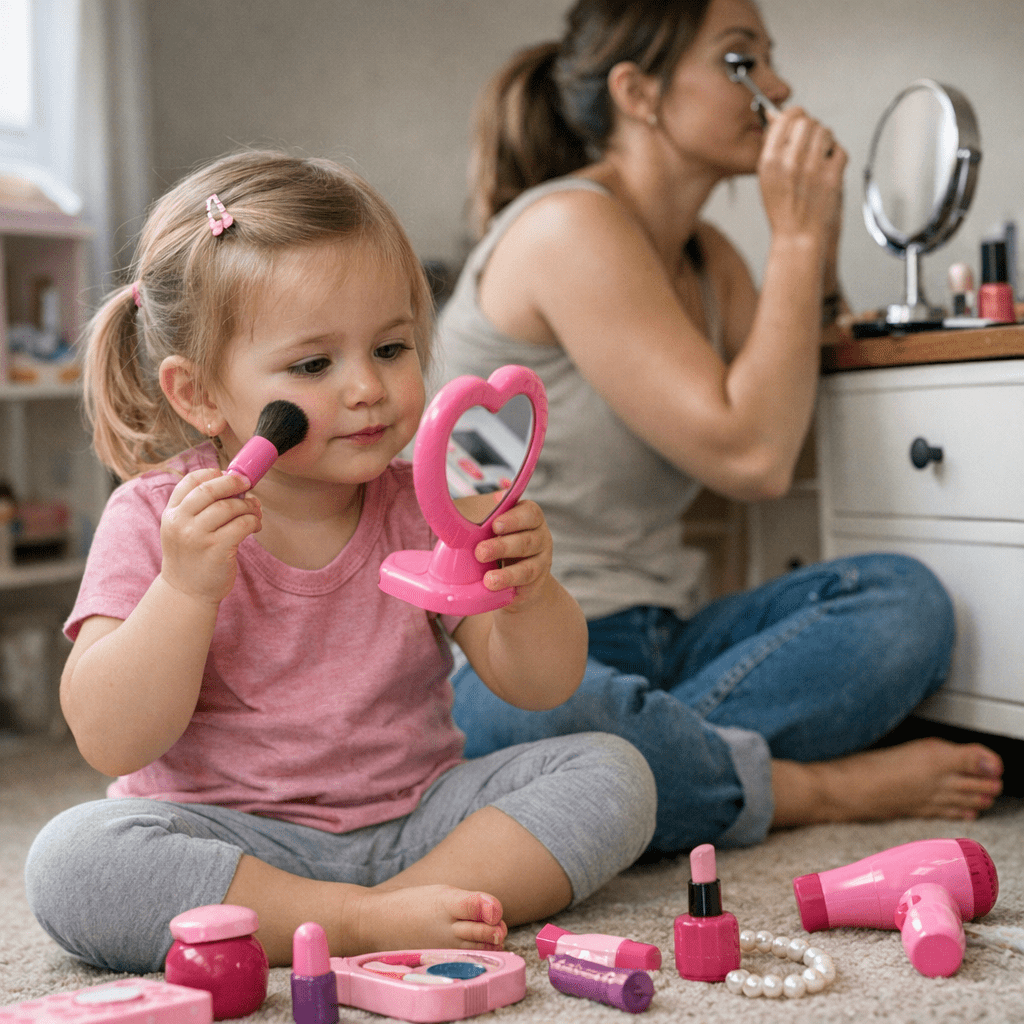
Let’s be honest—toddlers are curious little sponges. They love copying what they see us do, especially when it comes to daily routines like getting ready in the morning. That’s why pretend beauty sets are such a hit—they let kids mimic the adults in their lives, whether it’s brushing their hair, applying “makeup,” or spritzing some pretend perfume. But here’s where things get tricky: not all of these toys are created equal. Some look cute but might not be safe or durable enough for your kiddo.
So, how do you separate the gems from the junk? Let’s break it down step-by-step so you can spot a great set without overthinking it—or worse, regretting it later.
—
The Safety Checklist You Can’t Skip
Here’s the thing: toddlers put everything in their mouths. A pretend lipstick? Chewed on. That toy hairbrush? Likely to end up being dragged across every surface (and then into their mouth). So safety is non-negotiable. Let’s talk about what to look for:
1. Non-toxic Materials
This is huge. Look for labels that say “BPA-free,” “phthalate-free,” or “non-toxic.” These are signs that harmful chemicals aren’t lurking in the plastic or paint. If there isn’t any mention of safety certifications on the packaging, move along—it’s not worth taking a risk.
2. Rounded Edges
Sharp edges or small parts? Hard pass. Anything your toddler could scrape themselves on—or worse, choke on—is an immediate no-go.
3. Certifications Matter
Check for ASTM or EN71 compliance (these are toy safety standards in the U.S. and Europe). Without those badges, it might be better suited as a decoration than something your kid plays with.
4. Avoid Real Cosmetics Disguised as Toys
Here’s where I’ve seen parents slip up: buying kids’ makeup sets that are just shrunken-down versions of adult products. Those mini nail polishes and lipsticks may look fun, but they’re often filled with real chemicals that can irritate skin—or worse if ingested.
—
Durability: Built to Survive Toddler Chaos
If you’ve spent more than five minutes with a toddler, you know they have zero chill when playing with toys. Their idea of “gentle” would make most objects file an abuse complaint! Here’s how to make sure your pretend beauty set won’t end up in pieces after its first week:
1. Check the Build Quality
Look at how pieces connect—are they flimsy snap-together parts or solid one-piece molds? Trust me, a sturdy design will save you from constantly reattaching tiny handles or lids that pop off.
2. Material Strength Matters
Wooden beauty sets tend to last longer than plastic ones because they don’t crack easily under pressure (aka toddler tantrums). But high-quality plastics can still hold up well if they’re thick enough—just avoid anything overly lightweight.
Los 7 mejores sets de maquillaje para niñas bajo $50 en 2024: guía práctica con
3. Test It Yourself (If Possible)
When I’m unsure about durability, I’ll give toys a little stress test at the store—nothing crazy, just bending or tapping pieces to see if they feel solid or brittle.
—
Real-Life Examples of Great Pretend Beauty Sets
To give you something concrete, here are three types of pretend beauty sets I’ve either used with my own kids or vetted through trusted recommendations:
1. Wooden Sets With Magnetic Pieces
Brands like Melissa & Doug have nailed this category (pun intended). Their wooden nail polish bottles use magnets instead of caps that detach—and magnets mean fewer choking hazards and no lost lids under the couch! Plus, wood is naturally more sustainable and harder for kiddos to destroy.
2. All-in-One Plastic Kits With Molded Parts
These are great if you’re dealing with water-loving toddlers who insist on bringing everything into bath time (you know exactly what kind of kid I’m talking about). Look for kits where brushes and mirrors are fixed into place rather than separate components—they’ll survive rougher treatment this way.
3. Soft Plush Beauty Items
For younger toddlers who really like chewing everything in sight, soft plush options might be your safest bet. Think fabric mirrors and squishy combs—no sharp edges here! They’re not as flashy but way safer for teething age groups.
—
Tradeoffs You Should Know Before Buying
No toy is perfect—there’s always some compromise depending on what you prioritize most: safety features versus durability versus cuteness factor (yes, it matters!). Let me walk you through a few common tradeoffs:
- Safety vs Aesthetic Appeal:
Some parents love those glittery princess-themed sets—but glitter often means small particles everywhere and potentially toxic finishes unless explicitly labeled safe.
- Durability vs Price:
Wooden sets last longer but usually cost more upfront (€30–€50 range compared to €15–€25 for basic plastic kits).
- Size vs Portability:
Bigger kits with vanity tables look adorable but aren’t ideal if space is tight—or if grandma insists on keeping toys at her place too!
—
Table: Quick Comparison of Features by Material Type
| Material | Durability Rating | Safety Features | Price Range | Best For |
|—————|——————-|——————————|—————-|——————————–|
| Wood | ★★★★★ | Non-toxic paint; rounded edges | €30–€50 | Long-lasting play; eco-friendly |
| High-quality Plastic | ★★★★☆ | BPA-free options available | €15–€25 | Water-safe; lightweight |
Cómo iniciar un negocio de dropshipping de juguetes desde cero: guía práctica co
| Plush/Fabric | ★★★☆☆ | Zero sharp parts; chew-safe | €10–€20 | Teething toddlers; soft play |
—
Cleaning & Maintenance Tips You’ll Thank Me For Later
Toddlers and cleanliness don’t exactly mix well—but keeping these beauty toys clean isn’t optional if we want them safe long-term:
1. Plastic Sets: Use warm soapy water weekly to wipe down surfaces—especially if your toddler has been pretending their nail brush is a snack again…you know how it goes.
2. Wooden Toys: Stick to damp cloths only since too much moisture can warp wood over time.
3. Plush Items: Toss them in a gentle wash cycle every couple weeks—but skip high heat drying as it could damage stitching.
Pro tip? Keep baby wipes handy for quick cleanup after play sessions—it saves headaches later!
—
Where It Gets Tricky
One thing trips people up all the time: figuring out whether these toys actually encourage creativity or just promote gender stereotypes (“beauty = girl stuff”). Personally? I think it depends on how we frame them during playtime! Instead of saying things like “Now you’ll look pretty,” try making it about self-care routines instead—“Let’s brush our hair so we feel fresh!” Shifting language makes all the difference.
Want more inspiration on making role-play empowering? Learn more about other creative pretend-play ideas!
—
The Final Takeaway
Picking out a safe and durable pretend beauty set doesn’t have to feel overwhelming—you just need clear priorities: safety first (always), durability second, fun third! Focus on materials that match your toddler’s energy level (wood for heavy-duty players; plush for gentler ones), keep an eye out for legit certifications like ASTM/EN71, and balance practicality with cuteness without losing sleep over perfectionism.
And hey—if you’re still unsure which direction fits best? Start small with simpler sets under €20 before splurging on larger vanity setups down the road…or check out this list of parent-approved options!
Related Links