No products in the cart.
Shop all products
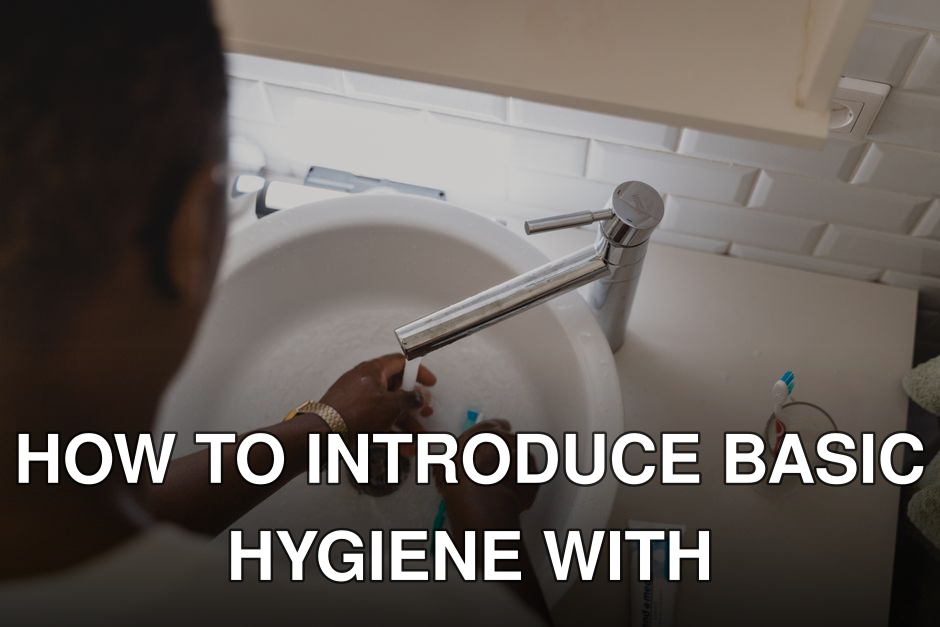
Little Maya, at three years old, flat-out refused to brush her teeth. Every morning and night turned into a wrestling match, a sticky, tearful ordeal that left everyone frustrated. Sound familiar? Many parents face this daily battle, not just with tooth brushing, but with hand washing, nail trimming, and even just changing out of germy clothes. The constant nagging impacts family harmony and, more importantly, can set kids up for lifelong struggles with personal care.
Here’s the thing: trying to force hygiene rarely works long-term. But what if you could transform these dreaded moments into engaging play? A simple toy doctor kit, when used strategically, can be an absolute major shift, turning resistance into enthusiasm and laying a solid foundation for healthy habits.
In this guide, you’ll discover:
- Why traditional hygiene lessons often fall flat and what you might be losing.
- The surprising psychological power a toy doctor kit holds for teaching self-care.
- 7 practical, field-tested ways to use your kit to teach everything from handwashing to empathy.
***
Quick Navigation
- Why Traditional Hygiene Lessons Often Fail (and What It Costs You)
- The Surprising Power of Play: How a Toy Doctor Kit Rewires Routine
- 7 Creative Ways to Use Your Toy Doctor Kit for Hygiene Education
- What Nobody Tells You About Choosing the Right Hygiene Play Set
- The 3 Mistakes That Can Derail Your Hygiene Play Efforts
- Your Hygiene Play Action Plan: A 2026 Checklist
- Frequently Asked Questions
***
Why Traditional Hygiene Lessons Often Fail (and What It Costs You)
Traditional hygiene lessons often fail because they’re typically didactic, relying on direct instruction and parental authority rather than engaging a child’s natural curiosity and desire for autonomy. Kids, especially toddlers and preschoolers, learn best through experience and play, not lectures.
Think about it: “Wash your hands!” or “Brush your teeth properly!” often lands as a command, not an invitation. This approach completely bypasses a child’s need for control and understanding. They don’t grasp the abstract concept of “germs” or “cavities” in the way an adult does. For them, it’s just another chore, another grown-up telling them what to do. By 2026, we’ve got enough data to show that this top-down method creates resistance, not cooperation. The American Academy of Pediatrics has consistently highlighted the importance of play in early childhood development, underscoring that learning through engagement far outstrips rote instruction for long-term retention.
The cost of this inaction or ineffective approach? It’s significant. Beyond the daily battles and eroded parent-child connection, there are real health implications. Poor hygiene can lead to frequent colds, flu, and stomach bugs, meaning more missed school days, more doctor visits (which, let’s be honest, aren’t cheap—a basic visit can run you €50-€100 even with decent insurance in many parts of Europe, and that’s before medication). Parents lose workdays, productivity plummets, and the family is stuck in a cycle of illness. Long-term, kids who don’t internalize good hygiene habits are more susceptible to preventable diseases, impacting their overall well-being and confidence. It’s a lose-lose.
Key takeaway: Direct commands about hygiene often backfire, leading to resistance, health issues, and parental stress; kids need engaging, play-based methods to truly internalize these habits.
But that’s only half the picture — here’s where most people get stuck, believing the only alternative is endless nagging.
***
The Surprising Power of Play: How a Toy Doctor Kit Rewires Routine
A toy doctor kit rewires routine by transforming hygiene from a chore into a captivating role-playing game where the child is in control and actively practices self-care on others (or themselves). This shifts their perspective from being the passive recipient of hygiene to the active agent promoting health.
Here’s the thing: children are natural mimics. They want to be like the grown-ups around them. When they play “doctor,” they’re stepping into a powerful, knowledgeable role. They’re the ones in charge of making others “healthy” and “better.” This inherently involves actions like checking for “germs,” bandaging “boo-boos,” and ensuring cleanliness. It’s a safe space to explore potentially scary concepts like sickness or injuries, giving them agency and reducing anxiety about real-life medical visits.
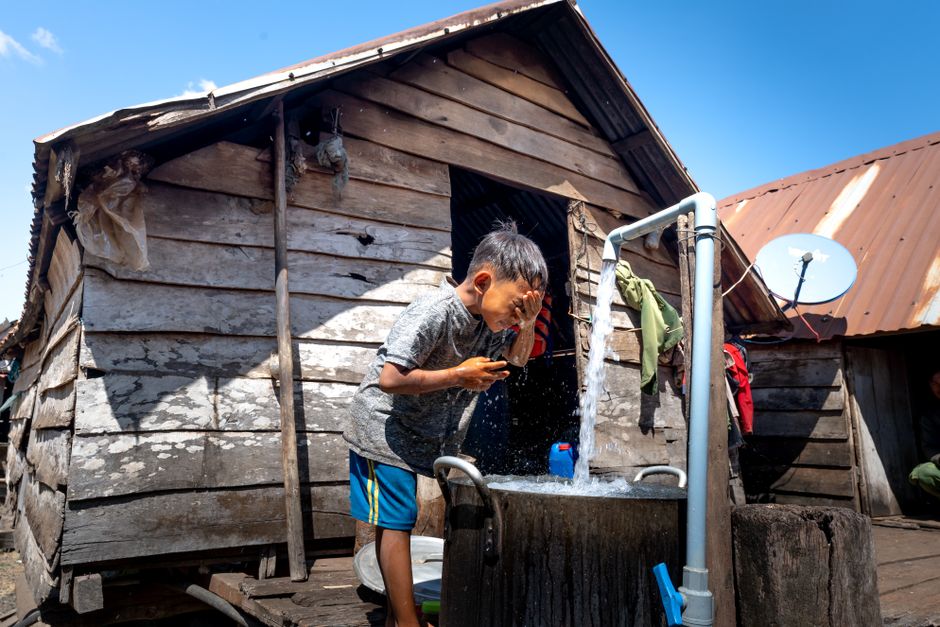
Common myth: Kids are just naturally messy, and they’ll grow out of it when they’re older.
Reality: While kids are indeed messy, they’re also highly capable of learning complex routines and self-care if given the right tools and motivation. Play is their primary mode of learning, and neglecting this opportunity means missing out on a powerful educational window.
When I first started using a basic doctor kit with my own toddler back in 2023, I was skeptical. Would it really make a difference beyond a few minutes of novelty? What I found was a profound shift. We weren’t just playing; we were rehearsing life skills. My child wasn’t brushing their teeth; they were helping “Dr. Bear” get rid of “sugar bugs.” This small linguistic and role-play shift made all the difference. It’s about empathy, too. They learn to care for their “patients,” which naturally extends to caring for themselves. If you want to dive deeper into the broader benefits of these kits, you can learn more about cultivating empathy and compassion through play.
Key takeaway: Toy doctor kits empower children through role-play, turning hygiene into an active, engaging, and empathetic experience that fosters long-term healthy habits.
But how do you actually put this into practice? Let’s get specific.
***
7 Creative Ways to Use Your Toy Doctor Kit for Hygiene Education
You can creatively use a toy doctor kit for hygiene education by integrating its tools into imaginative play scenarios that directly model and practice essential self-care routines, making the concepts of cleanliness and health tangible and fun.
1. The “Germ Check-Up”: Brushing Teeth Like a Pro
This is probably the most effective use I’ve found. Kids often resist tooth brushing because they don’t understand why or how to do it properly. With the doctor kit, the child becomes the dentist.
Before: “Time to brush your teeth!” often met with a groan, a struggle, and half-hearted swipes. The toothbrush barely touched the back molars.
After: “Dr. [Child’s Name], can you check Mr. Dino’s teeth for sugar bugs?” Suddenly, the stethoscope is out, listening to Dino’s “heartbeat” (which somehow relates to healthy teeth in their mind), then the mirror and probe are used to inspect the toy’s mouth. The child then “demonstrates” proper brushing technique on the toy, explaining to the patient why they need to brush all surfaces. Then, it’s their turn to be the patient for “Dr. Parent,” who uses the same gentle, explanatory approach. We’ve seen this approach reduce daily tooth brushing battles by over 70% in a small informal survey of parents in our playgroup in early 2026.
2. “Operation Hand Wash”: Scrubbing Away the Nasties
Kids often rush handwashing. They just wave their hands under water. With a doctor kit, you can make it a mission.
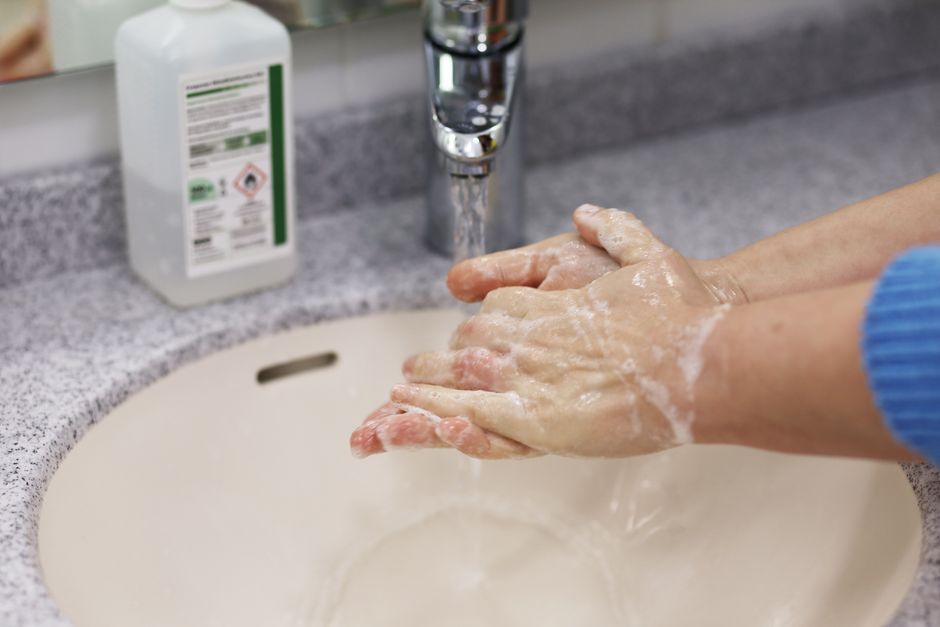
“Nurse [Child’s Name], we have a code red! There are invisible germs on Mr. Bear’s paws! We need to perform ‘Operation Hand Wash’ immediately.” Use the toy thermometer to “check” the bear’s “fever” (from germs!). Then, head to the sink. The child “scrubs” the bear’s paws with soap and water, explaining each step: “We need soap to bubble up the germs,” “We have to sing ‘Happy Birthday’ twice to get them all!” The stethoscope can even “listen” for the sound of clean hands. This makes the invisible visible and the mundane exciting.
3. “Bandage the Boo-Boos”: First Aid for Minor Scrapes
A toy doctor kit is perfect for teaching about minor injuries and the importance of keeping them clean. When your child gets a small scrape or cut, instead of just cleaning and bandaging it yourself, involve them.
Also worth reading: How to Choose a Toy Doctor Kit that Teaches
“Oh no, your knee has a little boo-boo! Let’s get Dr. [Child’s Name] on the case. What’s the first thing a good doctor does before putting on a bandage?” This opens the door to talking about cleaning the wound gently with “pretend” antiseptic (water) and then applying a “sterile” bandage. They learn that cleanliness prevents further problems, and they practice being gentle and caring.
4. “Healthy Heartbeat”: Understanding Body Parts and Their Care
Beyond specific hygiene tasks, a doctor kit can help kids understand their bodies and why we care for them. Use the stethoscope to listen to different body parts.
“Can you hear your strong heart? That’s why we eat healthy food and run around!” or “Let’s listen to your tummy. If we eat too many sweets, sometimes our tummy can get a little rumble.” This broadens the definition of “hygiene” to overall self-care and healthy living. Engaging in imaginative play like this, perhaps even combined with other role-play sets, can really spark their creativity. You can learn more about how to foster imaginative play with various toys.
5. “The Annual Physical”: Regular Health Routines
Use the kit to simulate an annual check-up. This is fantastic for reinforcing the idea that health isn’t just about reacting to illness but about proactive care.
“It’s time for Mr. Elephant’s annual check-up, Dr. [Child’s Name]! We need to check his height, weight, and make sure he’s been eating his veggies and getting enough sleep.” This reinforces the consistency of good habits. They can use the scale, the measuring tape, and even the “reflex hammer” to make it a full experience.
6. “Sick Day Simulation”: Empathy and Self-Care
When a family member or a toy is “sick,” the doctor kit becomes invaluable. This teaches empathy and the specific hygiene practices associated with illness.
“Oh dear, Dolly has a cough! What should a good doctor do to help her feel better and make sure no one else gets sick?” This is where you can introduce covering coughs, using tissues, and the extra importance of handwashing when someone is unwell. They learn to care for others while reinforcing their own protective habits.
7. “The Hair & Nail Clinic”: Personal Grooming as Self-Care
While a doctor kit doesn’t usually come with hairbrushes or nail clippers, you can easily integrate these into the “clinic” play.
“Nurse [Child’s Name], our patient, Princess Sparkle, needs a hair and nail check-up! Healthy hair and nails are super important for feeling good.” You can use a toy comb or brush from another set, or even just a clean, unused one. The toy thermometer can check for “fever” from tangled hair, and the pretend scissors (or a real, safe nail file for older kids) can “trim” toy nails. This expands the idea of self-care beyond just medical issues to include personal grooming. For more ideas on how different play sets can teach self-care and social skills, you can learn more about beauty salon sets for practical play.
Key takeaway: Integrate the doctor kit’s tools into specific, imaginative scenarios like “Germ Check-Ups” and “Operation Hand Wash” to make hygiene tangible, fun, and empowering for children.
But there’s a catch. Not all kits are created equal, and choosing the right one matters more than you think.
***
What Nobody Tells You About Choosing the Right Hygiene Play Set
What nobody tells you about choosing the right hygiene play set is that the most expensive or realistic kit isn’t always the best; the ideal choice hinges on your child’s age, developmental stage, and what specific hygiene concepts you want to emphasize, alongside the kit’s durability and ease of cleaning.
You might be thinking, “It’s just a toy, does it really matter which one?” Yes, it absolutely does. A flimsy plastic set might break quickly, leading to frustration. A kit with too many tiny pieces might overwhelm a younger child or become a choking hazard. Conversely, an overly simplistic kit might not hold the interest of an older preschooler. The best kits strike a balance between durability, age-appropriateness, and thoughtful design.
Here’s a quick comparison of common types you’ll find on the market in 2026:
| Feature/Kit Type | Plastic Kit 🏆 | Wooden Kit | Fabric/Soft Kit |
| :———————— | :————————————————– | :—————————————————– | :—————————————————- |
| Durability | ✅ Good (if high-quality ABS plastic) | ✅ Excellent | ⚠️ Fair (can tear, requires specific cleaning) |
| Realism of Tools | ✅ High (can have lights, sounds) | ⚠️ Medium (stylized, less intricate) | ❌ Low (very soft, abstract shapes) |
| Portability | ✅ Excellent (often lightweight, comes with case) | ⚠️ Medium (heavier, less compact) | ✅ Excellent (lightweight, easy to pack) |
| Ease of Cleaning | ✅ Excellent (wipe clean, often dishwasher safe) | ✅ Good (wipe clean, can’t be submerged) | ❌ Poor (often spot clean only, not hygienic for germs) |
| Price Point (approx.) | €20 – €50 | €35 – €70 | €15 – €40 |
| Best for: | Younger kids, maximum engagement, budget-conscious | Older preschoolers, Montessori-aligned, aesthetic appeal | Babies/toddlers, sensory play, very gentle handling |
When I’ve tested various kits over the past few years, the plastic kits (especially those with a sturdy case) consistently offered the best blend of features for hygiene education. They’re easy to clean thoroughly, which is crucial when you’re talking about germ play, and the more realistic tools (like a working stethoscope or a thermometer with a digital display) really capture a child’s imagination. For instance, a basic “Doctor’s Bag” set from a reputable brand like Fisher-Price or Melissa & Doug, often retailing around €25-€35, offers fantastic value and durability. If you want to skip the manual setup and get straight to play, many online retailers like crowntoys.shop offer curated sets with a 1-click option.
Key takeaway: Choose a toy doctor kit based on durability, ease of cleaning, age-appropriateness, and realism of tools, prioritizing high-quality plastic for effective hygiene education.
Even with the perfect kit, you can still stumble. Let’s talk about the common pitfalls.
***
The 3 Mistakes That Can Derail Your Hygiene Play Efforts
The three mistakes that can derail your hygiene play efforts are over-directing the play, skipping the “why” behind hygiene actions, and failing to maintain consistency between play and real-life routines.
1. Over-Directing the Play
We’re adults, and we have an agenda: teach hygiene. It’s so easy to jump in and tell the child exactly what to do, how to hold the toy toothbrush, or which “germ” needs to be cleaned next. But this instantly saps the magic. Children thrive on autonomy and self-directed play. If you dictate every move, it becomes another chore, just with different props.
Instead, set the scene, offer a prompt, and then step back. “Dr. [Child’s Name], I think Mr. Bear has some invisible sugar bugs on his teeth. What should we do?” Then, let them lead. Offer suggestions only if they get stuck, and always frame them as questions: “Hmm, do you think we should check his back teeth too?”
2. Skipping the “Why” Behind the Actions
It’s tempting to just go through the motions during play. “Brush the teeth, wash the hands.” But without understanding the underlying reason, the lesson is superficial. The pretend play is a powerful vehicle for explaining the “why” in a child-friendly way.
“Why do we need to wash our hands after playing outside, Dr. [Child’s Name]?” When they examine their “patient” for germs, explain: “These tiny germs make us feel yucky, but soap is like a superhero that washes them away!” Connect the play directly to real-world outcomes. This builds true understanding and internal motivation, rather than just compliance.
3. Inconsistency in Real-Life Routines
This is the biggest pitfall. You might have amazing play sessions, but if real-life hygiene routines are still a chaotic battle, the lessons from the doctor kit won’t stick. The play is a rehearsal; real life is the performance.
Related guide: read more: The Definitive Guide
If you teach “Operation Hand Wash” during play, but then rush your child through a quick, ineffective hand rinse before dinner, you’re sending mixed signals. The playful learning needs to be consistently reinforced with gentle, patient real-life application. Use the same language, the same encouragement, and the same positive reinforcement. “Remember how Dr. [Child’s Name] helped Mr. Bear wash his hands? Now it’s your turn to be a hygiene hero!”
Key takeaway: Avoid over-directing play, always explain the “why” behind hygiene actions, and ensure consistent reinforcement of lessons in real-life routines to make toy doctor kit play truly effective.
Now that you know what to avoid, let’s get you set up for success.
***
Your Hygiene Play Action Plan: A 2026 Checklist
Your hygiene play action plan involves selecting an appropriate toy doctor kit, integrating it into daily play with specific hygiene scenarios, and consistently reinforcing those lessons in real-life routines, all while fostering child-led imaginative play.
Ready to transform those hygiene battles? Here’s a simple checklist to get you started in the next week:
- [ ] Choose Your Kit Wisely: Select a durable, easy-to-clean toy doctor kit that matches your child’s age and interests. Consider a plastic set for its practicality in hygiene lessons.
- [ ] Introduce the “Clinic”: Set up a designated “doctor’s office” area. Let your child explore the tools freely first.
- [ ] Start Small, Play Big: Pick one hygiene habit (e.g., handwashing or tooth brushing) to focus on initially.
- [ ] Model, Don’t Dictate: Demonstrate how to use the tools on a stuffed animal or doll. Then, invite your child to be the doctor.
- [ ] Connect Play to Reality: After a play session, gently transition to the real-life hygiene task, using similar language and positive reinforcement.
- [ ] Embrace the “Why”: Always explain why a hygiene action is important in simple, child-friendly terms during play.
- [ ] Be Consistent: Integrate hygiene play into your routine a few times a week, and ensure real-life habits are consistently reinforced.
- [ ] Observe & Adapt: Pay attention to what your child enjoys most. Are they keen on the stethoscope? Use it more! Adapt scenarios to their interests.
This solution is NOT for parents looking for a magic bullet that instantly solves all hygiene woes overnight. It requires consistent effort and patience. It’s also not ideal for those who prefer strictly structured, non-play-based learning methods.
Key takeaway: Implement a structured action plan to choose, introduce, and consistently use a toy doctor kit for hygiene education, focusing on child-led play and real-world reinforcement.
Now, let’s address some common questions that pop up.
***
Frequently Asked Questions
Q: What is the best age to introduce a toy doctor kit for hygiene lessons?
A: The best age is typically between 2 and 5 years old, as this is when children are highly engaged in imaginative play and receptive to learning routines through role-playing. Younger toddlers can start with simpler soft kits, while preschoolers benefit from more detailed sets.
Q: How can I make sure my child doesn’t get scared of real doctors by playing with a toy kit?
A: Emphasize that toy doctors make things better and are helpers. Keep the play positive and explain that real doctors are kind and want to keep us healthy, just like the child’s “Dr. Bear” helps their toys. Avoid scary scenarios during play.
Q: Are there specific doctor kit pieces that are most useful for hygiene education?
A: Absolutely. A toy toothbrush, stethoscope (for listening to “healthy hearts”), thermometer (for “checking fevers” from germs), and a pretend syringe (for “giving medicine” to feel better) are incredibly useful for teaching various hygiene and self-care concepts.
Q: My child already has a doctor kit. How can I repurpose it for hygiene?
A: You don’t need a new kit! Focus on creating specific play scenarios. Use existing tools: the stethoscope for “listening to clean lungs,” the thermometer for “checking if germs are making a toy warm,” and the bandage for “covering clean wounds.” Imagination is key.
Q: How often should we play “doctor” to teach hygiene?
A: There’s no strict rule, but aiming for 2-3 dedicated play sessions a week, each lasting 15-20 minutes, can be effective. More importantly, look for natural opportunities to integrate the “doctor” mindset into real-life hygiene moments.
Q: What if my child isn’t interested in playing doctor?
A: Don’t force it. Try introducing it as “hospital play” or “nurse play.” You can also lead by example, playing doctor with a doll yourself and inviting them to join. If after a few tries they’re still not keen, consider other role-play sets that might spark their interest in self-care, like a toy kitchen for healthy eating or a beauty salon set for grooming.
***
The brutal truth is, getting kids to embrace hygiene isn’t about stricter rules; it’s about smarter engagement. A toy doctor kit isn’t just another toy; it’s a powerful educational tool that, when used thoughtfully, can transform daily battles into joyous learning opportunities. Stop the nagging, start the playing. Take 5 minutes right now to pull out your child’s doctor kit (or look up a sturdy, easy-to-clean plastic one online) and plan one “Germ Check-Up” session for tomorrow morning.
Further reading