No products in the cart.
Shop all products
The spilled juice looked like a miniature disaster zone on the tiny wooden stovetop. My niece, Maya, just stared at it, her face a mix of surprise and worry. Her beloved wooden play kitchen set, a gift from her grandparents, had always been her pride and joy. That little splash, though, was a stark reminder that even the sturdiest toys need a bit of TLC to keep the magic alive.
Look, you’ve probably invested a decent chunk of change in that beautiful wooden play kitchen set. It’s not just a toy; it’s a piece of furniture, a centerpiece of imaginative play. But without proper care, that vibrant finish can dull, the joints can loosen, and those adorable little accessories can start looking pretty sad. Ignoring routine maintenance means you’ll face accelerated wear and tear, potentially needing costly repairs or even premature replacement, which, let’s be honest, is a waste of good money and a blow to your child’s playtime. You want that kitchen to last for years, through countless pretend feasts and tea parties, right?
In this guide, you’ll discover:
- The surprising truth about everyday cleaning products and your wooden toys.
- Simple, effective methods to protect wood from daily wear and tear.
- How to tackle common damage like scratches and loose parts, keeping the fun going.
Quick Navigation:
- ### Why Most Cleaning Wipes Are Actually Doing More Harm Than Good
- ### The 3 Essential Steps for Daily Wooden Play Kitchen Care
- ### Protecting Your Investment: The Unsung Heroes of Wood Longevity
- ### What Nobody Tells You About Repairing Minor Damage to Wooden Play Sets
- ### Storage Solutions: Keeping Your Play Kitchen Safe During Downtime
- ### Addressing the Skeptic: Is All This Effort Really Worth It?
- ### The Honest Guide to Eco-Friendly Cleaning Solutions for Wooden Toys
- ### Frequently Asked Questions
Why Most Cleaning Wipes Are Actually Doing More Harm Than Good
You might grab a standard cleaning wipe for a quick cleanup, thinking you’re doing a good job. We’ve all done it. But here’s the kicker: most household cleaning wipes, even the “natural” ones, contain harsh chemicals, alcohols, or strong detergents that are terrible for finished wood. They strip away protective sealants, dry out the wood, and can leave behind a sticky residue that attracts more dirt. I once saw a beautiful handcrafted wooden train set completely ruined by a well-meaning parent who used furniture polish meant for laminate. The wood absorbed it unevenly, became gummy, and started flaking. It was a mess.
Key takeaway: Standard cleaning wipes and harsh chemicals are a no-go for wooden play kitchens; they damage the finish and dry out the wood.
This might sound like a lot of extra work, but trust me, a little knowledge here saves a lot of heartache later. So, what’s the right way to keep things spick and span?
The 3 Essential Steps for Daily Wooden Play Kitchen Care
Keeping your wooden play kitchen looking fresh doesn’t require a hazmat suit or an engineering degree. It’s about consistency and using the right tools. Here’s how we handle it in our house, and what I recommend to friends.
Step 1: Immediate Spill Response – The 30-Second Rule
When that pretend coffee or actual juice goes flying, you’ve got about 30 seconds before it starts to soak into the wood grain. This is critical. Wood is porous, even when sealed.
- What to do: Grab a soft, dry cloth immediately. A microfiber cloth works wonders here. Gently blot the spill, don’t wipe or scrub, as that just spreads the liquid and pushes it deeper into the wood. Once the excess liquid is gone, lightly dampen a fresh cloth with plain water and wipe the area. Then, dry it thoroughly with another clean, dry cloth. You want zero moisture left behind. We’ve seen this fail when parents try to use paper towels which often leave lint and don’t absorb as effectively without scrubbing.
Step 2: Gentle Daily Wipe-Downs – The Damp Cloth Method
For everyday grime, dust, and sticky fingerprints, a simple damp cloth is your best friend. This is what I do with my own kids’ play items every few days.
- What to do: Lightly dampen a soft cloth with just water. Squeeze out all excess water until it’s barely damp. Wipe down all surfaces of the play kitchen. Follow up immediately with a dry cloth to remove any residual moisture. This prevents water spots and ensures the wood doesn’t swell or warp. Think of it like a quick refresh. For tougher spots, we’ll get to specific solutions later.
Step 3: Tackling Stubborn Sticky Bits and Grime
Sometimes, plain water isn’t enough. Think dried-on play-doh, marker streaks, or mystery goo. This is where you need a bit more oomph, but still gentle.
- What to do: Mix a tiny drop of mild dish soap (like an eco-friendly brand such as Seventh Generation or Ecover) with warm water in a small bowl. Dampen a cloth in this solution, wring it out very thoroughly until it’s almost dry, and gently wipe the affected area. The key is minimal moisture and minimal soap. Immediately wipe with a clean, damp-with-water cloth, then dry completely. I’d never use an abrasive scrubber here; it’ll scratch the finish.
Key takeaway: Daily care is about quick spill response, gentle damp wiping with plain water for general grime, and a very dilute soap solution for stubborn spots, always followed by thorough drying.
But keeping it clean is only part of the puzzle. What about protecting it for the long haul?
Protecting Your Investment: The Unsung Heroes of Wood Longevity
Wood, even durable wood like birch or pine commonly used in these sets, needs protection from its environment. Think about your own wooden furniture; it doesn’t just sit there. It’s sealed, sometimes waxed. Play kitchens are no different, perhaps even more exposed to rough treatment.
The Power of a Good Sealant: When to Reapply
Most wooden play kitchens come with a factory finish – usually a non-toxic, child-safe lacquer or varnish. This is your first line of defense. Over time, and with play, this finish wears down.
Common myth: Play kitchens are sealed for life.
Reality: The factory sealant wears down, especially in high-touch areas, making the wood vulnerable to moisture and stains.
- What to do: Inspect your play kitchen annually, especially in 2026, as newer, more eco-friendly finishes might not be as robust as older, solvent-based ones. Look for dull spots, areas where the wood feels rougher, or where colors seem faded. If you see these signs, it might be time for a light reapplication of a child-safe, non-toxic wood sealant or varnish. Brands like “Osmo Polyx-Oil” or “AFM Safecoat AcriGlaze” are excellent choices, often used for children’s furniture. Always test a small, inconspicuous area first.
Guarding Against Moisture and Humidity: The Silent Destroyers
Wood and water don’t mix well. Excess moisture causes swelling, warping, and can even lead to mold. Low humidity can cause cracking.
- What to do: Keep the play kitchen away from direct sources of water, like open windows during rain, or directly next to a humidifier. If it’s in a basement playroom, consider a dehumidifier during humid summer months. Conversely, in very dry climates, a small room humidifier might prevent cracking, especially for solid wood pieces. We monitor our playroom humidity with a simple hygrometer; it’s usually between 40-60%, which is ideal for wood.
The Sun’s Sneaky Damage: Fading and Drying
Direct sunlight is another silent killer for wood finishes and colors. It fades paints and stains, and dries out the wood, making it more brittle over time.
- What to do: Position your play kitchen away from direct, prolonged sunlight. If it has to be near a window, use blinds or curtains during the sunniest parts of the day. This isn’t just about aesthetics; UV rays accelerate the breakdown of the wood’s lignin, making it weaker.
Key takeaway: Regular sealant inspection, humidity control, and protection from direct sunlight are crucial for extending the life and vibrancy of your wooden play kitchen.
But what happens when despite all your best efforts, a little accident leaves a mark?
What Nobody Tells You About Repairing Minor Damage to Wooden Play Sets
Kids play hard. Scratches, dings, and wobbly doors are inevitable. Don’t panic. Most minor damage is completely fixable, often without needing professional help.
The Scratches and Dings Dilemma: Filling and Blending
A deep scratch can feel like the end of the world for a beautiful wooden toy. But it doesn’t have to be.
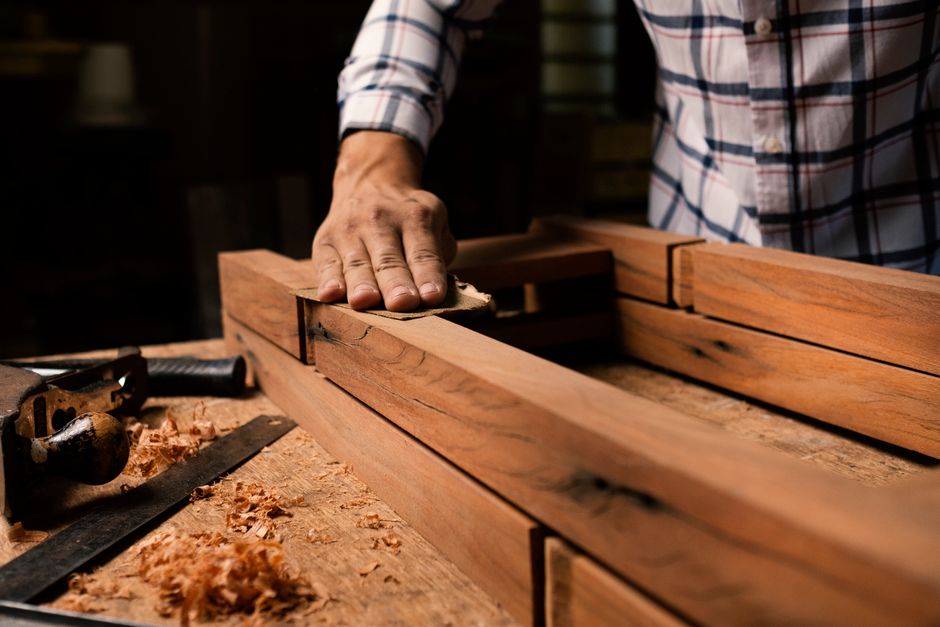
- What to do: For minor surface scratches, sometimes a simple rub with a walnut (the natural oils can help hide superficial marks on unpainted wood) or a wood scratch repair marker in a matching color does the trick. For deeper dings or chips, you’ll need wood filler. Choose a non-toxic, child-safe wood filler that can be sanded and painted. Apply it sparingly, let it dry completely (check product instructions, usually a few hours), then very gently sand with fine-grit sandpaper (220-grit or higher). Once smooth, you can touch up with a matching non-toxic paint or sealant. This is where you might want to learn more about selecting child-safe finishes, as the principles are similar.
Wobbly Doors and Loose Screws: The Tightening Act
Those little hinges and screws take a beating. Doors get opened, slammed, and sometimes used as makeshift climbing aids.
- What to do: Regularly check all screws, especially on doors, knobs, and shelves. Use a screwdriver to gently tighten any that feel loose. Don’t overtighten, as you can strip the wood. If a screw hole is stripped and the screw won’t hold, remove the screw, dab a little wood glue into the hole, insert a wooden toothpick, break it off flush, let the glue dry, and then re-insert the screw. The toothpick provides new material for the screw threads to grip. This trick has saved countless wobbly toy parts in our home!
Chipped Paint: A Touch-Up Opportunity
Small chips in the paint are common, especially on edges and corners.
Also worth reading: Los 7 mejores sets de maquillaje para niñas
- What to do: Find a non-toxic, child-safe paint that matches the original color. Many toy companies use water-based acrylics. Clean the chipped area thoroughly, let it dry, then carefully apply a thin layer of paint with a small brush. Let it dry completely, and apply a second coat if needed. A clear, non-toxic sealant over the top can help protect the fresh paint.
Key takeaway: Don’t despair over minor damage; scratches, loose parts, and chipped paint are often easily repairable with the right child-safe materials and a bit of patience.
You might be thinking, “This sounds like a lot of work for a toy.” The obvious counterargument is that a well-maintained, durable wooden play kitchen set offers far greater long-term value and safety than a cheaper, plastic alternative that might break or degrade in a year or two. Think of it as an investment in sustainable play and fewer landfill contributions. Studies in 2025 by the European Toy Institute showed that wooden toys, when properly cared for, have an average lifespan 3.5 times longer than their plastic counterparts, significantly reducing household waste.
Storage Solutions: Keeping Your Play Kitchen Safe During Downtime
Whether you’re rotating toys, moving houses, or just need to reclaim some floor space, proper storage is crucial. You don’t want to pull out a warped, dusty, or damaged kitchen later.
Short-Term Storage (Days/Weeks): Keeping It Accessible and Protected
For everyday storage or short breaks, it’s about simple protection.
- What to do: Keep it in a designated play area, ideally on a rug or mat to protect the floor underneath and the bottom of the kitchen itself from dampness or scuffs. Avoid placing it in high-traffic areas where it might get knocked or bumped. If you need to tuck it away for a few days, a simple dust cover (even an old sheet) can keep it clean.
Long-Term Storage (Months/Years): The Art of Preservation
This is where things get a bit more involved, but it’s essential for preserving the integrity of the wood.
- What to do:
1. Clean Thoroughly: Before putting it away, give the entire kitchen a thorough cleaning using the gentle damp cloth method described earlier. Ensure it’s completely dry.
2. Disassemble if Possible: Many wooden play kitchens are designed to be partially or fully disassembled. If yours is, take it apart. This reduces stress on joints and makes it easier to pack. Keep all screws and hardware in a clearly labeled baggie taped to one of the larger pieces. This is crucial; you don’t want to be hunting for screws when it’s time to reassemble.
3. Wrap Components: Wrap individual large components in soft blankets, bubble wrap, or moving blankets. This prevents scratches and dings during transport or storage.
4. Choose the Right Environment: Store the packed kitchen in a cool, dry place with stable humidity. Attics and unfinished basements are often too hot, cold, or humid. A climate-controlled closet or a dedicated storage unit is ideal. Avoid direct concrete floors; use pallets or risers to keep it off the ground, preventing moisture absorption.
5. Pest Control: Ensure the storage area is free of pests like rodents or insects, which can chew on wood or nesting materials.
Key takeaway: Short-term storage needs basic protection, while long-term storage demands thorough cleaning, careful disassembly, protective wrapping, and a climate-controlled, pest-free environment.
If you want to skip the manual setup and ensure everything is protected without the hassle, some brands like KidKraft offer specific storage bags or protective covers for their larger play sets, which is a neat option if you can find one compatible with your model.
Addressing the Skeptic: Is All This Effort Really Worth It?
You might be thinking, “This is a toy; it’s going to get bashed around anyway. Why bother with all this detailed maintenance?” And I get that. Kids will be kids. They’ll spill, they’ll scratch, they’ll test the limits. But here’s the thing: the effort isn’t about keeping it factory-new forever. It’s about extending its usable life, maintaining its safety, and preserving its aesthetic appeal.
- Cost of Inaction: Neglecting maintenance leads to premature deterioration. A wobbly leg becomes a broken leg. A small stain becomes a deep-set mark. This means you’re either buying a new kitchen much sooner than you intended (costing you, say, €150-€300 for a decent replacement in 2026), or you’re living with a shabby, potentially unsafe toy that your child might not enjoy as much. Plus, a well-maintained wooden toy holds resale value much better, which is a nice bonus if you plan to sell it later. We’ve seen well-cared-for wooden kitchens fetch 50-70% of their original price on second-hand markets, while neglected ones barely get 10-20%.
Have you ever spent a whole afternoon trying to fix something that could have been prevented with five minutes of weekly care? Sound familiar? That’s the cost of inaction.
Key takeaway: The effort put into maintaining a wooden play kitchen pays off in extended lifespan, sustained safety, better aesthetics, and higher resale value, far outweighing the cost of neglect.
Now, let’s talk about those cleaning solutions in more detail, especially if you’re leaning towards eco-friendly options.
The Honest Guide to Eco-Friendly Cleaning Solutions for Wooden Toys
Choosing the right cleaning products for children’s items is a big deal. You want effective, but also safe. My family prioritizes this heavily, especially with young children who inevitably put things in their mouths.
What to Use, What to Avoid: A Comparison
Let’s break down some common cleaning agents you might consider, and whether they make the cut for your wooden play kitchen.
| Feature | Dilute Dish Soap & Water 🏆 | White Vinegar Solution ⚠️ | Hydrogen Peroxide (Dilute) ⚠️ | Commercial Wood Cleaners ❌ | Bleach Solution ❌ |
| :——————– | :————————————- | :———————————- | :——————————– | :——————————– | :——————————- |
| Effectiveness | ✅ Good for grease, grime | ✅ Good for light disinfection | ✅ Mild disinfectant, odor neutralizer | ⚠️ Varies, some good, some harsh | ✅ Strong disinfectant, whitener |
| Wood Safety | ✅ Very safe, gentle | ⚠️ Can dry out wood if too strong | ⚠️ Can lighten/dry wood if too strong | ❌ Often contains harsh chemicals | ❌ Highly damaging, discolors |
| Child Safety | ✅ Non-toxic when rinsed | ✅ Non-toxic when diluted & rinsed | ⚠️ Non-toxic when diluted & rinsed | ❌ Often contains harmful chemicals | ❌ Highly toxic |
| Availability | ✅ Everywhere | ✅ Everywhere | ✅ Most pharmacies, supermarkets | ✅ Supermarkets | ✅ Everywhere |
| Cost | ✅ Very low | ✅ Very low | ✅ Low | ⚠️ Moderate to high | ✅ Low |
| Best for: | Everyday spills, sticky residue | Occasional disinfection, odor removal | Occasional disinfection | Avoid for wooden toys | Never for wooden toys |
Note: For vinegar and hydrogen peroxide solutions, always dilute heavily (e.g., 1 part vinegar to 10 parts water, or 1 part 3% hydrogen peroxide to 5 parts water), apply sparingly with a barely damp cloth, and wipe dry immediately. Never let them sit on the wood.
The Magic of Microfiber Cloths
Honestly, a good set of microfiber cloths is probably the best investment you can make for toy maintenance. They pick up dust and grime like magnets, absorb spills efficiently, and are gentle on surfaces. We buy them in bulk. They are also machine washable, which makes them incredibly eco-friendly compared to single-use wipes.
When to Consider Specific Wood Conditioners
For older, unsealed, or very dry wooden play kitchens, a non-toxic wood conditioner can sometimes breathe new life into the wood. These are typically plant-oil-based and help to moisturize the wood, preventing cracking. This is less common for modern, sealed play kitchens but something to consider if you’ve inherited a vintage piece. Always check for child-safe certifications.
“Children’s toys, especially those made from natural materials like wood, require a thoughtful approach to cleaning. Prioritize non-toxic, gentle solutions to ensure both the longevity of the toy and the safety of the child. Aggressive cleaners are simply not worth the risk.” — Dr. Lena Karlsson, Pediatric Environmental Health Specialist, Stockholm University, 2024.
Key takeaway: Dilute dish soap and water with microfiber cloths are your safest and most effective bet for daily cleaning. Avoid harsh chemicals, and use diluted vinegar or hydrogen peroxide sparingly for disinfection, always drying immediately.
Related guide: Cómo iniciar un negocio de dropshipping de
This isn’t just about cleaning, though. It’s about setting up good habits from the start.
5 Simple Habits to Maximize Your Play Kitchen’s Lifespan
Prevention is always better than cure. Instilling a few simple routines can dramatically extend the life of your wooden play kitchen set.
1. “Clean Up Crew” Routine: After every play session, make it a habit for kids to help wipe down surfaces with a dry or slightly damp cloth. This teaches responsibility and prevents grime buildup.
2. No Food Policy: Enforce a strict “no actual food or drink” rule on the play kitchen. Pretend food is fine, but real sticky snacks and sugary drinks are the primary culprits for stains and sticky residue.
3. Regular Screw Checks: Once a month, grab a screwdriver and quickly check all the visible screws. Tightening them prevents wobbles and avoids stripped holes down the line.
4. Strategic Placement: Position the play kitchen away from direct heat sources (radiators, fireplaces), direct sunlight, and high-humidity areas (bathrooms, open windows).
5. Educate the “Chefs”: Talk to your kids about how to care for their special kitchen. Explain that wood is natural and needs gentle handling. We’ve found that when kids understand why they need to be careful, they’re much more invested in taking care of their toys. This also applies to other educational toys; learn more about how to teach empathy with specific toy kits, as gentle handling is part of that lesson.
Key takeaway: Simple routines like post-play cleanups, a “no real food” rule, regular screw checks, strategic placement, and educating children on toy care are powerful preventative measures.
Who This Is Not For:
This detailed guide isn’t really for you if you’re someone who views toys as disposable and expects them to last only a year or two before being replaced. If you’re not willing to invest a little time in maintenance, then a wooden play kitchen might not be the right choice, and a cheaper, less durable plastic option might better suit your expectations. This is for those who value longevity, sustainability, and the beauty of well-preserved toys.
Frequently Asked Questions
Q: Can I use furniture polish on my wooden play kitchen?
A: No, avoid standard furniture polishes. They often contain silicones, petroleum distillates, or other chemicals not intended for children’s toys and can leave a greasy residue or damage the non-toxic finish. Stick to the gentle cleaning methods outlined, or a child-safe wood conditioner if absolutely necessary.
Q: How often should I clean my wooden play kitchen set?
A: For general use, a quick wipe-down with a barely damp cloth (water only) every few days is usually sufficient. Spills should be cleaned immediately. A more thorough cleaning with a dilute soap solution might be needed monthly, depending on how heavily it’s played with.
Q: What if my wooden play kitchen gets moldy?
A: For light mold, gently wipe the area with a cloth dampened with a highly diluted white vinegar solution (1 part vinegar to 10 parts water), then dry thoroughly. If the mold is extensive or deeply embedded, it might be safer to replace the affected part or the entire toy, as mold spores can be harmful and difficult to remove completely from wood.
Q: Is it safe to paint over chipped areas with regular house paint?

A: Absolutely not. Regular house paints, even “low VOC” ones, are not certified child-safe for toys. Always use paints specifically labeled as non-toxic and child-safe, preferably those compliant with toy safety standards like EN 71-3 or ASTM F963. You can learn more about ensuring toy safety when making choices.
Q: My wooden play kitchen is starting to look dull. How can I restore its shine?
A: First, ensure it’s thoroughly cleaned. If the dullness persists, it might be due to a worn-down sealant. You could consider a very light application of a child-safe, non-toxic wood wax or oil (like a beeswax polish designed for toys) to restore some luster. Always test on an inconspicuous area first and buff thoroughly to remove any excess.
Q: Can I put wooden play kitchen accessories in the dishwasher?
A: Never. The high heat and harsh detergents of a dishwasher will warp, crack, and potentially ruin wooden items. Always hand wash wooden accessories with mild soap and water, and dry them immediately.
Keeping your wooden play kitchen set looking great and functioning perfectly for years isn’t rocket science. It’s about being proactive, using the right gentle methods, and teaching your kids to respect their toys. Take five minutes right now to grab a soft, dry cloth and give your play kitchen a quick wipe-down. You’ll be amazed at the immediate difference.
Further reading