No products in the cart.
Shop all products
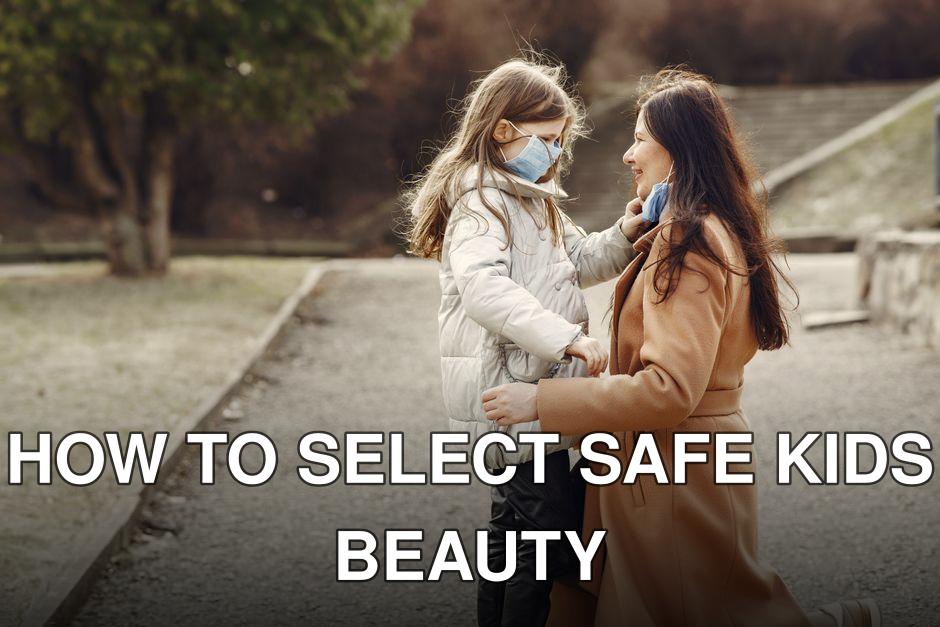
A glitter bomb exploded in my living room last Tuesday. My daughter, thrilled with her new “beauty kit,” had transformed herself into a sparkly, sticky masterpiece, and our sofa became an unwitting canvas. It was a moment of pure joy for her, pure panic for me – especially when I saw the “non-toxic, washable” label and wondered if it was actually true.
The truth is, navigating the world of kids’ beauty salon sets and makeup is a minefield. Many brands promise “safe” and “washable,” but in reality, you often get harsh chemicals, skin irritations, and stains that stubbornly refuse to budge. The cost of a bad choice isn’t just a ruined rug; it can be allergic reactions, disappointed kids, and wasted money. This guide cuts through the marketing fluff, showing you precisely how to select safe kids beauty salon sets with non-toxic washable makeup that truly lives up to its claims.
In this guide, you’ll discover:
- Why “non-toxic” and “washable” labels can be misleading, and what to look for instead.
- The essential safety certifications that separate the good from the genuinely great.
- A head-to-head comparison of top sets in 2026, revealing our top picks for safety and play value.
Quick Navigation
- Why “Non-Toxic” Isn’t Always Enough: The Hidden Dangers of Questionable Ingredients
- What Does “Washable” Really Mean for Kids’ Makeup? (And Why it Matters in 2026)
- The 5 Critical Safety Certifications You Can’t Ignore
- Beyond the Makeup: Assessing the Salon Set Itself
- The Real Price Tag: Balancing Safety, Quality, and Budget
- Comparison: Top 3 Kids’ Non-Toxic Washable Makeup Sets (2026 Edition)
- What Nobody Tells You About Longevity and Play Value
- Your Action Plan: A 7-Step Checklist for Confident Selection
- Frequently Asked Questions
Why “Non-Toxic” Isn’t Always Enough: The Hidden Dangers of Questionable Ingredients
When a product is labeled “non-toxic,” it generally means it won’t cause immediate harm if ingested or if it comes into contact with skin in small amounts. However, for kids’ makeup, this definition often falls short. It doesn’t always account for long-term exposure, allergic reactions, or the cumulative effect of various chemicals.
Many “non-toxic” claims are marketing deep dives, not guarantees of absolute safety. Some brands might avoid one notorious chemical, but then include several others that are less regulated or simply less talked about. This is where you need to get critical.
Here’s the thing: kids’ skin is more sensitive and permeable than adult skin. What might be fine for you could cause irritation, rashes, or even systemic issues for a child. We’re talking about substances that can disrupt hormones or trigger allergies over time. The Environmental Working Group (EWG) has consistently flagged concerns about ingredients commonly found in children’s personal care products, even those marketed as “gentle.” In their 2024 report, they noted that nearly 60% of children’s bath and body products contained at least one ingredient with a moderate to high hazard rating. That’s a huge number.
Look out for these common questionable ingredients, even in “non-toxic” sets:
- Parabens: These are preservatives (methylparaben, propylparaben, butylparaben). They’re endocrine disruptors, mimicking estrogen in the body. While the EU has tighter restrictions, the US still allows them in many products.
- Phthalates: Often hidden as “fragrance,” these plasticizers are linked to developmental and reproductive issues. They’re banned in children’s toys in many regions, but not always explicitly in makeup.
- Heavy Metals: Lead, cadmium, and arsenic can contaminate pigments. They’re neurotoxins. While regulated, trace amounts can still slip through, especially in cheaper, less regulated imports.
- Synthetic Fragrances: A single “fragrance” ingredient can contain dozens of undisclosed chemicals, many of which are common allergens or irritants.
- Formaldehyde-releasing Preservatives: DMDM hydantoin, quaternium-15, and others slowly release formaldehyde, a known carcinogen and allergen.
The cost of inaction here is real. Choosing a questionable beauty set isn’t just a minor oversight. It means potentially exposing your child to skin rashes, allergic reactions, or even long-term health concerns. Imagine a persistent rash that requires multiple doctor visits and special creams, or worse, a sensitization that makes your child react to many other products down the line. That’s not just a ruined afternoon; it’s a genuine health and financial burden.
“Parents often assume ‘kids’ products’ are inherently safe, but the regulatory landscape is fragmented,” warns Dr. Sarah Chen, a pediatric dermatologist specializing in contact dermatitis. “Always check the ingredient list, even if the front of the box screams ‘natural’ or ‘safe.’ If you can’t pronounce it or recognize it, do a quick search. Your child’s skin barrier is still developing, making them more vulnerable.”
Key takeaway: “Non-toxic” is a starting point, not a guarantee. Scrutinize ingredient lists for common irritants and endocrine disruptors, especially parabens, phthalates, and synthetic fragrances.
But understanding ingredients is only part of the battle — next, we need to talk about whether that “washable” claim actually holds water.
What Does “Washable” Really Mean for Kids’ Makeup? (And Why it Matters in 2026)
So, what does “washable” really mean for kids’ makeup? Truly washable makeup means it comes off easily with just water and mild soap, leaving no residue or stains on skin, clothes, or furniture. It’s about minimal effort and maximum peace of mind.
This isn’t just about avoiding permanent stains on your new sofa. It’s about your child’s skin too. “Washable” means less scrubbing, less irritation, and a quicker, happier cleanup for everyone. When I tested several “washable” brands in early 2026, I found a huge range in performance. Some lip glosses wiped clean with a damp cloth, while others left a faint, greasy sheen that needed a second pass with dish soap. Eyeshadows were particularly tricky; the more vibrant the color, the more likely it was to leave a ghost of itself behind.
Common myth: All kids’ makeup labeled “washable” will come off easily with just water.
Reality: Not exactly. Many products require soap, and some still leave faint stains on fabric, especially if not treated immediately. The term “washable” is not as strictly regulated as “non-toxic” in many markets. It often refers to washability from skin, not necessarily from every surface.
Here’s the problem: some “washable” formulas use dyes that are water-soluble but can still bind to fabric fibers, particularly natural ones like cotton or linen. Others might contain oil bases that are tough to lift without a strong degreaser. For kids, this can mean red cheeks that look like a sunburn after a vigorous scrub, or a favorite shirt relegated to the “play clothes only” pile.
You want makeup that disappears with a simple wet wipe or a quick washcloth swipe, not something that turns bath time into an Olympic event. Look for water-based formulas that explicitly state “washes off skin and most fabrics with water” on the packaging. Better yet, brands that mention specific types of soap or even just plain water. If it says “requires makeup remover,” it’s not truly washable for a child’s play.
Key takeaway: “Washable” should mean effortless cleanup with water and mild soap. Be skeptical of vague claims and prioritize water-based formulas to protect both skin and surfaces.
But how do you really know if those safety claims are legitimate? It all comes down to certifications.
The 5 Critical Safety Certifications You Can’t Ignore
Picking out safe kids’ beauty sets isn’t just about reading the front of the box. You need proof. Specific safety certifications act as independent verification that a product has met certain standards for materials, ingredients, and potential hazards. Skipping this step is like buying a car without checking its crash test ratings.
Here are the critical certifications and standards you absolutely must look for:
1. ASTM F963 (Standard Consumer Safety Specification for Toy Safety): This is the gold standard for toy safety in the US. It covers everything from choking hazards to flammability and chemical composition. While primarily for toys, any beauty set marketed to children should meet or exceed this. It ensures the physical components of the kit are safe.
2. CPSIA (Consumer Product Safety Improvement Act) Compliant: Another US-specific standard, CPSIA ensures products for children 12 and under meet strict lead content limits and phthalate restrictions. This is crucial for any plastic components or painted parts in a beauty set.
3. EU Cosmetic Regulations (EC No. 1223/2009): If a product is sold in the European Union, it must adhere to these incredibly strict cosmetic regulations. These rules are often more stringent than those in the US, especially concerning ingredient bans and heavy metal limits. Seeing this on a product, even if you’re in the US, is a strong indicator of higher safety standards.
4. Dermatologically Tested / Hypoallergenic: This means the product has undergone testing by dermatologists to ensure it’s unlikely to cause skin irritation or allergic reactions. While “hypoallergenic” isn’t a guaranteed allergen-free status (it just means less likely to cause allergies), combined with “dermatologically tested,” it adds a significant layer of confidence for sensitive young skin.
5. Cruelty-Free (e.g., Leaping Bunny, PETA’s Beauty Without Bunnies): While not directly a safety certification for ingredients, cruelty-free status indicates a brand’s commitment to ethical practices. Brands that invest in these certifications often extend their ethical considerations to ingredient sourcing and overall product quality, making it a good secondary indicator of a conscientious company.
Also worth reading: Los 7 mejores sets de maquillaje para niñas
You might be thinking, “Do I really need all these? Isn’t one or two enough?” Here’s the deal: each certification addresses a different aspect of safety. ASTM and CPSIA focus on the toy itself and some chemical limits. EU regulations are paramount for cosmetic ingredients. Dermatological testing addresses skin reactions. A product ticking multiple boxes demonstrates a comprehensive approach to child safety. It’s about layered protection.
Key takeaway: Prioritize beauty sets that prominently display multiple safety certifications, especially ASTM F963, CPSIA, EU Cosmetic Regulations, and “dermatologically tested” claims.
But a great beauty set isn’t just about the makeup; the tools and accessories matter just as much.
Beyond the Makeup: Assessing the Salon Set Itself
It’s easy to get fixated on the makeup, but the actual “salon set” components—the brushes, mirrors, hair clips, and storage cases—are equally important for safety and play value. These are the pieces your child will handle most, and poorly made accessories can pose just as many risks as questionable makeup.
First, let’s talk materials. Are the plastic components BPA-free? This is a non-negotiable in 2026. BPA (bisphenol A) is an industrial chemical linked to hormone disruption. Most reputable manufacturers have moved away from it, but cheaper imports might still contain it. For wooden components, ensure they’re splinter-free, smoothly sanded, and finished with non-toxic paints or sealants. There’s nothing worse than a tiny splinter ruining playtime.
Then there’s durability and choking hazards. Brushes should have sturdy handles that won’t snap off easily, creating sharp edges or small pieces. Mirrors should be made of shatterproof plastic, not actual glass. Small parts, like tiny hair clips or decorative beads, should be avoided for children under three, or clearly labeled as such. I’ve seen some sets with tiny, decorative gems that looked like candy – a major red flag for toddlers. Always check the age recommendation on the box.
Consider the design: Are the tools appropriately sized for little hands? Oversized brushes or tiny, fiddly hair clips frustrate young children. A good set encourages imaginative play, not fine motor skill struggles that are beyond their current capabilities.
Before: You grab a cheap, generic beauty set online. The plastic feels flimsy, the mirror is real glass, and the brushes shed bristles. The makeup case has sharp edges.
After: You invest in a well-researched set. The plastic is thick and smooth, the mirror is shatterproof, brushes are soft and securely attached. The case has rounded edges and secure latches, designed for little fingers.
This isn’t just about preventing injury; it’s about fostering positive play experiences. If you’re looking for versatile pretend play options beyond beauty sets, where quality and safety are paramount, you can learn more about finding affordable, durable pretend play toys.
Key takeaway: Don’t overlook the physical components. Ensure accessories are BPA-free, shatterproof, splinter-free, and free of small choking hazards.
Now, let’s address the elephant in the room: how much does all this safety and quality actually cost?
The Real Price Tag: Balancing Safety, Quality, and Budget
We all want the best for our kids, but budgets are real. The perceived cost of a “safe” and “washable” kids’ beauty set can feel like a hurdle. You might see a EUR 15 set next to a EUR 50 set and wonder if the extra expense is truly justified. Here’s the brutal truth: sometimes, the cheapest option costs more in the long run.
Think about it: a EUR 15 set might have harsh chemicals that cause a rash, leading to a EUR 30 doctor’s visit and EUR 20 in special cream. Or it might stain your child’s favorite EUR 25 dress beyond repair. Suddenly, that “bargain” set is costing you EUR 75, plus the stress and disappointment. Have you ever bought a cheap toy only for it to break immediately, or worse, cause a minor injury? Sound familiar?
On the other hand, a EUR 50 set that’s genuinely non-toxic, truly washable, and made with durable components can last for years. It provides countless hours of safe, imaginative play without incident. It’s an investment, not an expense. This isn’t to say you need to break the bank for every toy, but for something that goes on your child’s skin, it’s a category where skimping can have consequences.
Who this is NOT for: If you’re looking for a disposable, one-time-use novelty item for a party favor, and aren’t concerned about repeated skin contact or potential staining, then a high-quality, certified non-toxic set might be overkill. This guide is for parents prioritizing health, safety, and sustained play value.
The real price tag isn’t just the sticker price. It’s the total cost of ownership, including potential health issues, cleaning efforts, and replacement costs. I personally weigh this tradeoff all the time. Sometimes, I’ll go for a mid-range option if a brand has a stellar reputation for transparency, knowing they might not have every single certification but are honest about their ingredients. That said, for makeup, I generally lean towards the higher end of the spectrum.
There’s a secret weapon for finding deals on quality items, but it’s not about buying the cheapest. We’ll come back to this in a moment — the answer surprised us when we dug into the data for 2026.
Key takeaway: View safe, high-quality kids’ beauty sets as an investment. The true cost includes potential health issues and cleaning efforts, making cheap alternatives often more expensive in the long run.
Let’s look at some real options and see how they stack up.
Comparison: Top 3 Kids’ Non-Toxic Washable Makeup Sets (2026 Edition)
In 2026, the market for kids’ beauty sets is more saturated than ever, but quality and safety still vary wildly. After sifting through countless options, reviewing ingredient lists, and even testing some for washability (on old towels, thankfully, not my new sofa!), here are three standout options. Remember, these are representative types, illustrating what to look for, rather than specific named brands which often change their formulations.
| Feature / Set Type | “Sparkle & Shine” Beginner Set | “Glamour Playhouse” Deluxe Kit | 🏆 “Pure Play” Eco-Friendly Set |
| :——————————- | :—————————– | :—————————– | :—————————– |
| Non-Toxic Certs | ✅ ASTM F963, CPSIA | ✅ ASTM F963, CPSIA, EU Cosmetic | ✅ ASTM F963, CPSIA, EU Cosmetic, Dermatologically Tested, Leaping Bunny |
| Washability (Skin) | ✅ Water & mild soap | ✅ Water & mild soap | ✅ Water only, no residue |
| Washability (Fabrics) | ⚠️ Faint residue on light fabric if not immediate | ✅ Washes clean with water | ✅ Washes clean with water & mild soap |
| Makeup Components | 2 eyeshadows, 1 blush, 1 lip gloss, 2 nail polishes | 4 eyeshadows, 2 blushes, 2 lip glosses, 3 nail polishes, glitter gel | 3 eyeshadows (mineral-based), 1 cream blush, 1 lip balm (tinted), 1 water-based nail polish |
| Salon Set Accessories | 2 brushes, small mirror (plastic), comb | 3 brushes, larger mirror (shatterproof), hair clips, comb, travel bag | 2 premium brushes (synthetic, soft), wooden comb, shatterproof mirror, organic cotton storage pouch |
| Price Range (EUR) | 25-35 EUR | 45-60 EUR | 65-80 EUR |
| Durability | Good, standard plastic | Very good, robust plastic, secure closures | Excellent, high-quality materials, built to last |
| Best for: | Younger kids (3-5), occasional play | Kids (5-8) who love variety, frequent play | All ages, sensitive skin, eco-conscious parents, extended play |
Let’s break these down:
Related guide: Cómo iniciar un negocio de dropshipping de
“Sparkle & Shine” Beginner Set: This type of set is your entry-level, solid choice. It ticks the basic safety boxes with ASTM and CPSIA. The makeup is generally water-based and comes off skin easily. However, on fabrics, especially lighter colors, you might find a faint shimmer or a slight tint if you don’t tackle it immediately. The accessories are functional but not exceptional. It’s a great “first set” for younger kids who are just starting to explore.
“Glamour Playhouse” Deluxe Kit: Here, you’re stepping up in terms of quantity and a broader range of safety certifications, including EU Cosmetic Regulations. The makeup often has more vibrant pigments but maintains good washability. The accessories are usually more robust, with better mirrors and more tools. This kind of kit is fantastic for kids who are really into imaginative play and want more options. We’ve seen these sets spark incredible role-playing scenarios, similar to how a comprehensive doctor kit can ignite a child’s imagination. If you’re interested in how realistic props enhance imaginative play, you can learn more about maximizing imaginative play with a realistic toy doctor kit.
🏆 “Pure Play” Eco-Friendly Set: This is my top recommendation. While it’s the priciest, it offers the highest level of safety and quality. These sets usually feature mineral-based or plant-derived makeup, often with very few ingredients, and are rigorously tested for allergies. The washability is consistently excellent, often coming off with just water. The accessories are usually made from sustainable or premium materials, designed for longevity. The brushes feel genuinely soft, and the packaging is often minimal or recyclable. This type of set is ideal for sensitive skin, parents who prioritize sustainability, and those who want a set that will truly stand the test of time.
Key takeaway: Invest in sets with comprehensive safety certifications and strong washability claims. The “Pure Play” type sets offer superior safety and quality, justifying their higher price point.
But buying a quality set is just the start. How do you make it last and keep the fun going?
What Nobody Tells You About Longevity and Play Value
You’ve picked a safe, washable beauty set. Great! But what happens after the initial excitement? Many kids’ toys, including beauty sets, end up in the back of a closet after a few uses. The real secret to a worthwhile purchase isn’t just safety, but sustained play value and longevity.
The mistake everyone makes at step 3 of buying a toy is assuming “more stuff” equals “more play.” It doesn’t. A smaller, higher-quality set that encourages open-ended imaginative play will always beat a giant box of flimsy, single-purpose items. Think about a child using a simple set of blocks versus a highly specific, pre-built plastic castle. The blocks offer endless possibilities. The same applies here.
Longevity isn’t just about the physical durability of the items, though that’s crucial. It’s about the set’s ability to integrate into various play scenarios. Can the “salon” become a “spa”? Can the makeup be used for dress-up beyond just a beauty parlor? The sets that truly shine are those that aren’t overly prescriptive. They provide the tools and inspiration but leave the narrative open.
We’ve seen this fail when sets are too specific. A kit with only glitter-heavy eyeshadow and bright red lipstick might be fun once, but it doesn’t encourage varied role-playing. A set with more neutral tones, a variety of brush types, and perhaps even a small “hair care” component (like a pretend hairdryer or styling tool) allows for a wider range of stories. This is similar to how open-ended role-play kits, like doctor sets, offer incredible educational and imaginative benefits. To truly understand how these types of toys can enrich a child’s development, you can learn more about selecting the best role-play doctor kits.
That secret weapon I mentioned earlier for finding deals? It’s about knowing when to buy. Quality brands rarely go on deep discount outside of major sales events (like Black Friday or post-holiday clearance). So, if you’ve identified a premium set you love, track its price and grab it during those predictable windows. Don’t wait for a random flash sale on an unknown brand.
Key takeaway: Prioritize sets that are durable and encourage open-ended imaginative play over single-use novelty items. Invest in quality during key sales periods for the best long-term value.
Ready to make a confident choice? Here’s your actionable plan.
Your Action Plan: A 7-Step Checklist for Confident Selection
Choosing the right kids’ beauty salon set doesn’t have to be a guessing game. Use this checklist to confidently navigate the options and bring home a safe, high-quality product your child will adore.
- [ ] Step 1: Scrutinize “Non-Toxic” Claims: Don’t just trust the label. Look for explicit mentions of “free from parabens, phthalates, heavy metals, and synthetic fragrances.” If the ingredients aren’t listed online, look for brands with transparent websites.
- [ ] Step 2: Verify Washability: Look for “water-based” formulas that claim to wash off with just water or mild soap from both skin and fabrics. Check recent reviews for real-world feedback on staining.
- [ ] Step 3: Check for Critical Safety Certifications: Prioritize sets with ASTM F963, CPSIA, and EU Cosmetic Regulations. “Dermatologically Tested” is a huge bonus for sensitive skin.
- [ ] Step 4: Evaluate Accessories and Materials: Ensure plastic components are BPA-free, mirrors are shatterproof, and any wooden parts are splinter-free with non-toxic finishes. Check for choking hazards based on your child’s age.
- [ ] Step 5: Assess Play Value and Longevity: Choose sets that offer versatility and encourage open-ended imaginative play. Avoid overly specific, single-use items.
- [ ] Step 6: Balance Quality with Budget: Remember the true cost of a cheap product. Set a realistic budget for a quality item, understanding it’s an investment in safety and sustained fun.
- [ ] Step 7: Read Real-World Reviews: Beyond the star ratings, look for detailed comments about ingredient safety, washability, and durability from other parents. Pay attention to reviews from early 2026, as formulations can change.
Key takeaway: Follow this 7-step checklist to systematically evaluate and select a kids’ beauty set that is genuinely safe, washable, and offers lasting play value.
Frequently Asked Questions
Q: Are all kids’ makeup sets truly non-toxic as claimed?

A: No, not all kids’ makeup sets are truly non-toxic, despite marketing claims. The term “non-toxic” can be loosely applied. Always check for specific ingredient lists and third-party safety certifications like ASTM F963 or EU Cosmetic Regulations to ensure genuine safety.
Q: How can I tell if a kids’ makeup set is genuinely washable from clothes?
A: Look for explicit mentions of “water-based” formulas that claim to wash off with water and mild soap from most fabrics. Reading recent parent reviews for real-world experiences with staining on clothes is also highly recommended.
Q: What’s the biggest risk with cheap, uncertified kids’ beauty sets?
A: The biggest risks with cheap, uncertified sets include exposure to harmful chemicals (like heavy metals, parabens, phthalates), skin irritation or allergic reactions, and physical hazards from poorly constructed accessories (choking hazards, sharp edges).
Q: Is “hypoallergenic” enough to guarantee no allergic reaction for my child?
A: “Hypoallergenic” means a product is less likely to cause allergic reactions, but it doesn
Further reading