
No products in the cart.
Shop all products

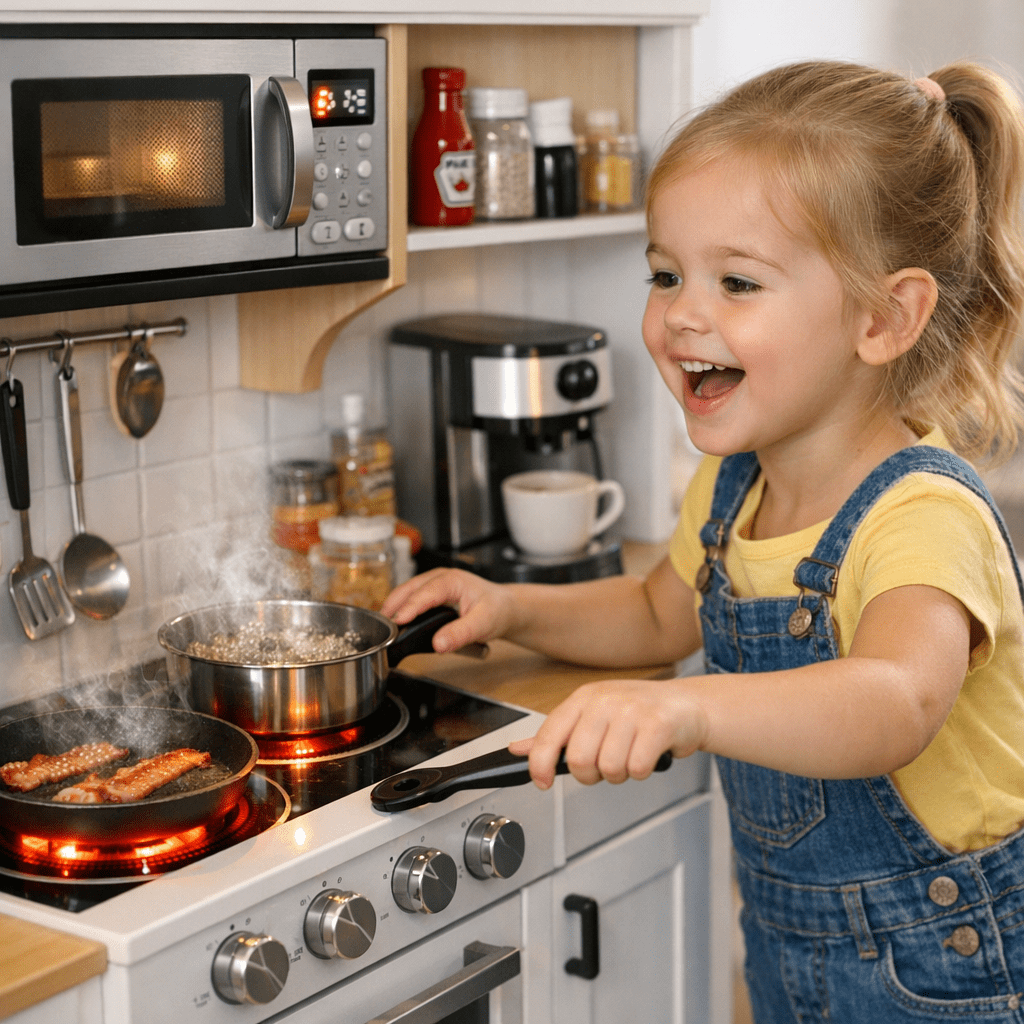
Picture this: your kid’s eyes light up the moment they walk into the room and see their very own mini kitchen, complete with glowing stovetops and sizzling sound effects. There’s just something magical about kids kitchen playsets that offer real lights and sounds—they feel alive, immersive, and, most importantly, fun. But here’s the catch: not all playsets are created equal. Some are sturdy enough to survive years of pretend dinners; others barely last through a week of enthusiastic play.
So how do you tell the difference? Let’s break it down step by step so you know exactly what to look for before hitting “add to cart.”

—
Why Lights & Sounds Are Worth It
First off, let’s address whether these features are even necessary. Can’t a basic wooden set without bells and whistles be just as good? Sure—if your child is more into minimalist pretend play or you’re aiming for Montessori-style toys. But for most kids in 2026, interactive elements like lights and sounds make the experience far more engaging. That “beep” when they turn on the microwave or the glow of a lit stove burner adds realism that sparks creativity.
And let’s be honest: it’s fun for you too! Watching your child mimic cooking pasta while their toy pot makes bubbling noises is pure gold during family time.
But here’s where it gets tricky—some sets promise those interactive features but fail to deliver quality execution. A cheaply made stovetop that barely lights up or a sound module that cuts out after three uses isn’t worth your money (or your kid’s disappointment). So let’s talk specifics on what makes one set stand out over another.
—
Key Features to Look For in High-Quality Playsets
1. Durable Materials That Can Handle Rough Play
Kids aren’t gentle with their toys—we all know this. If the playset feels flimsy right out of the box, it won’t survive long-term use. Look for materials like ABS plastic (it’s tough and non-toxic) or composite wood if you want something sturdier than plastic-only options.
Real-world example: One popular mid-range set we tested had thin plastic doors on its fridge component—they popped off within three days of normal use by a four-year-old! On the flip side, premium sets like KidKraft kitchens often feature thicker materials that hold up better over time.
Pro tip: Check reviews specifically mentioning whether pieces hold together well after months of use—or don’t.
—
2. Realistic Lights Without Gimmicky Glitches
A proper high-quality set will feature LED lights that mimic real-life cooking appliances without being overwhelming or unsafe. Here are two things to watch out for:
- Brightness: The stove burners should glow brightly enough to notice but not so intense that it looks unnatural or distracts from playtime.
- Battery Life: Cheap sets often drain batteries ridiculously fast because they use inefficient lighting tech.
A standout model we’ve seen recently has rechargeable built-in batteries—a major shift if you’re tired of constantly replacing AAAs every few weeks.
—
Los 7 mejores sets de maquillaje para niñas bajo $50 en 2024: guía práctica con
3. Authentic Sounds That Don’t Get Annoying
Let me guess—the phrase “annoying toy sounds” sends chills down your spine? Trust me, I get it; no one wants endless loud beeping in their home at breakfast time while sipping coffee.
Good news: modern high-quality sets focus on balanced sound design now more than ever (thankfully). You’ll want to look for:
- Adjustable volume controls (you’ll thank yourself later).
- Clear, realistic effects instead of generic tinny noises.
- Bonus points if there are multiple sound effects—like sizzling pans AND water boiling—for variety during imaginative cooking sessions.
—
Tradeoffs You Should Know Before Buying
No product is perfect, and kids kitchen playsets with real lights and sounds come with their own tradeoffs:
1. Battery Dependency: Even if a set uses LEDs and efficient sound modules, expect battery replacements unless it comes with rechargeable options built-in.
2. Price vs Quality: As much as we’d love these features in budget-priced playsets, cheaper ones tend to skimp on durability or tech quality.
3. Size Considerations: Some larger interactive sets can take up significant space—great if you have room but tricky for tight apartments.
If space is an issue but your child loves roleplay toys in general, check out this learn more guide about compact alternatives like beauty salon sets!
—
Comparison Table: Best Features by Price Range
| Price Tier | Feature Highlights | Example Models | Notes |
|—————–|————————————————|————————————–|—————————————–|
| Budget (€50–80) | Basic lights/sounds; lightweight plastic | Step2 Little Cooks Kitchen | Good entry-level option but less durable |
| Mid-range (€90–150) | Durable build; better lighting & sound effects | Little Tikes Super Chef | Reliable balance between cost & quality |
| Premium (€200+) | Full-sized; advanced interactivity | KidKraft Ultimate Corner Kitchen | Built-in storage + superior longevity |
Cómo iniciar un negocio de dropshipping de juguetes desde cero: guía práctica co
—
Real Examples That Stand Out in 2026
1. KidKraft Farmhouse Kitchen Set
This one checks nearly every box—sturdy wood construction, elegant farmhouse design (parents love how it blends into home decor), plus realistic burner sounds/lights powered by AAA batteries with decent longevity.
Why I recommend it: Honestly? It feels less like a toy and more like an heirloom piece you’d pass down between siblings or cousins.
2. Little Tikes Cook N’ Learn Smart Kitchen
Here’s where technology takes center stage—it connects via Bluetooth to an app! Kids can learn recipes interactively while playing chef at their glowing stovetop burners.
Downside? The app dependency might frustrate parents who prefer low-tech toys—but hey, some families swear by hybrid learning setups like this one nowadays!
For more comparisons between hybrid learning toys vs classic designs—including princess vanities vs deluxe kitchens—learn more.
—
Practical Takeaway
Here’s my honest advice: If you’re buying a kids kitchen playset in 2026, don’t settle for anything purely based on price alone—it needs both durability AND functional flair (lights/sounds). Go mid-range or higher unless you’re OK replacing parts constantly when cheaper models inevitably break down.
Also remember: Your kid doesn’t need every bell-and-whistle gadget under the sun—they’ll have just as much fun pretending soup cans are gourmet meals as long as they’ve got some interactive spark fueling their imagination!
Related Links

Little Chef’s Deluxe Kitchen vs Mini Interactive Chef’s Station: Which Is Better for Small Spaces?: Practical Playbook w - Crown Toys
[…] How to Spot High-Quality Kids Kitchen Playsets with Real Lights & Sounds: Practical Playbook wi… […]