
No products in the cart.
Shop all products
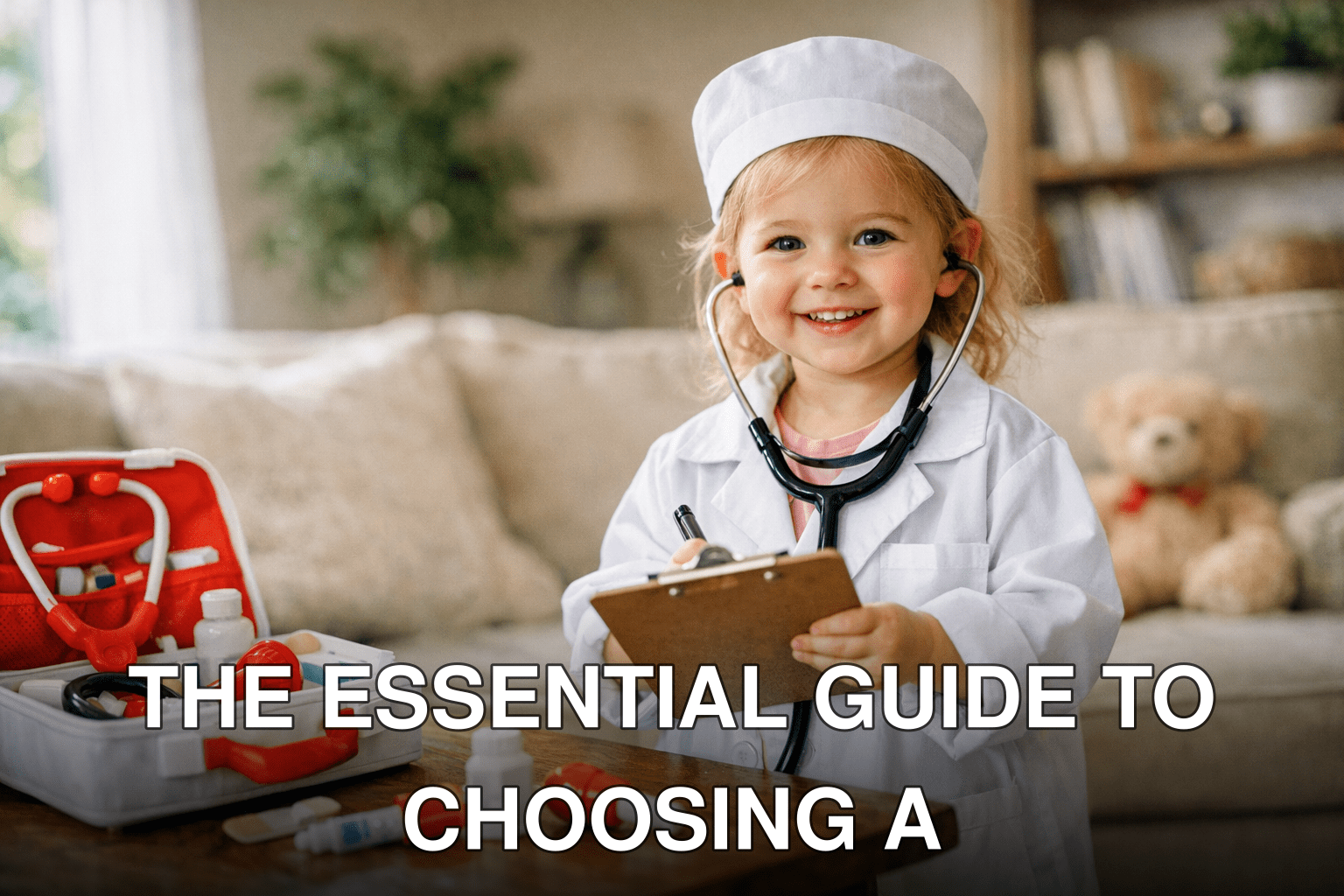
Imagine this: your toddler walks into the living room, stethoscope around their neck, clipboard in hand, and announces, “I’m Dr. Emily today!” It’s adorable. But here’s the thing—how safe is that pretend doctor kit they’re playing with? And will it last more than a month before pieces go missing or break?
Kids love pretend play because it lets them explore real-world roles in a safe way. But not all toys are created equal. Some kits fall apart at the first sign of rough use, while others end up being unsafe due to sharp edges or questionable materials. The wrong choice can lead to wasted money—or worse, an injury scare.
In this guide you’ll discover:
- What makes a doctor play kit genuinely safe for toddlers (no fluff).
- Key durability factors most parents overlook when shopping.
- A breakdown of popular kits on the market in 2026—and which ones we’d skip.
Let’s get into it.
Why Safety Is Non-Negotiable
Here’s the hard truth: just because something is sold as “kid-friendly” doesn’t mean it actually is. Every year, poorly designed toys are recalled due to choking hazards, toxic materials, or fragile parts that break into dangerous shards. In fact, according to the Consumer Product Safety Commission’s 2025 report, over 43% of toy-related injuries in toddlers involved small parts from improperly labeled products. That’s not a statistic you want your family contributing to.
The Three Safety Must-Haves
1. Non-Toxic Materials
Look for BPA-free plastics and non-toxic paints or coatings. Your toddler is going to chew on these tools—it’s inevitable. Avoid kits with strong chemical smells; that’s often a red flag for low-grade plastics.
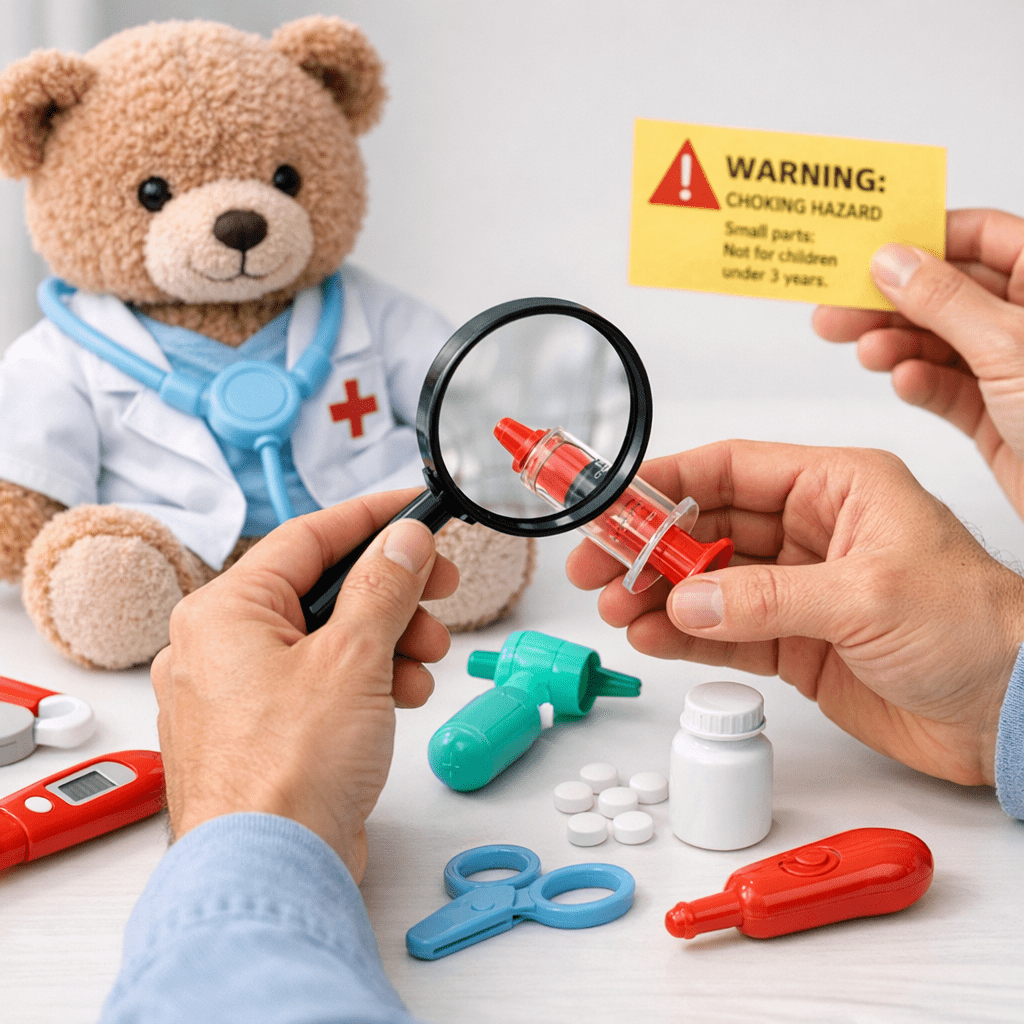
2. No Small Detachable Parts
Anything smaller than 1¼ inches in diameter (about the size of a toilet paper roll tube) can be a choking hazard for kids under three. Beware kits with tiny screws or accessories like pill bottles—they’re cute but risky.
3. Rounded Edges Only
Sharp corners and poorly finished edges can scratch or cut little hands during active play sessions.
Key takeaway: If there’s even one safety concern—move on! There are safer options out there.
Also worth reading: The Ultimate Guide to Choosing an Educational
How Durability Saves You Money (and Sanity)
Durability isn’t just about how long something lasts; it’s about whether it survives your kid’s specific style of play. Let me give you an example: I bought what I thought was a sturdy plastic kit last year for my niece’s third birthday—within two weeks, the thermometer snapped in half because she wanted to “fix” her stuffed animals by sitting on them during surgery prep.
What To Check For Durability
1. Thick Plastics Over Thin Molded Pieces
Lightweight plastic may seem toddler-friendly at first glance but tends to crack under pressure—literally! Opt for heavier builds that can handle drops and enthusiastic banging around.
2. Securely Attached Accessories
Items like stethoscope earbuds should be firmly affixed and tested against tugging (because yes, your toddler will test them).
3. Washability Is Everything
Let’s face it: toddlers are messy creatures who spill juice and smear peanut butter everywhere—including on their toys! Kits featuring washable components save time and stress later.
4. Storage Solutions Included
Many brands overlook this detail entirely—but if the kit doesn’t come with some kind of storage case or bag? Forget about keeping all those tiny pieces together longer than two weeks.
The Cost of Choosing Wrong
You might be thinking: “How bad could it really be if I buy an average kit?” Here’s what happens when you opt for cheap over thoughtful:
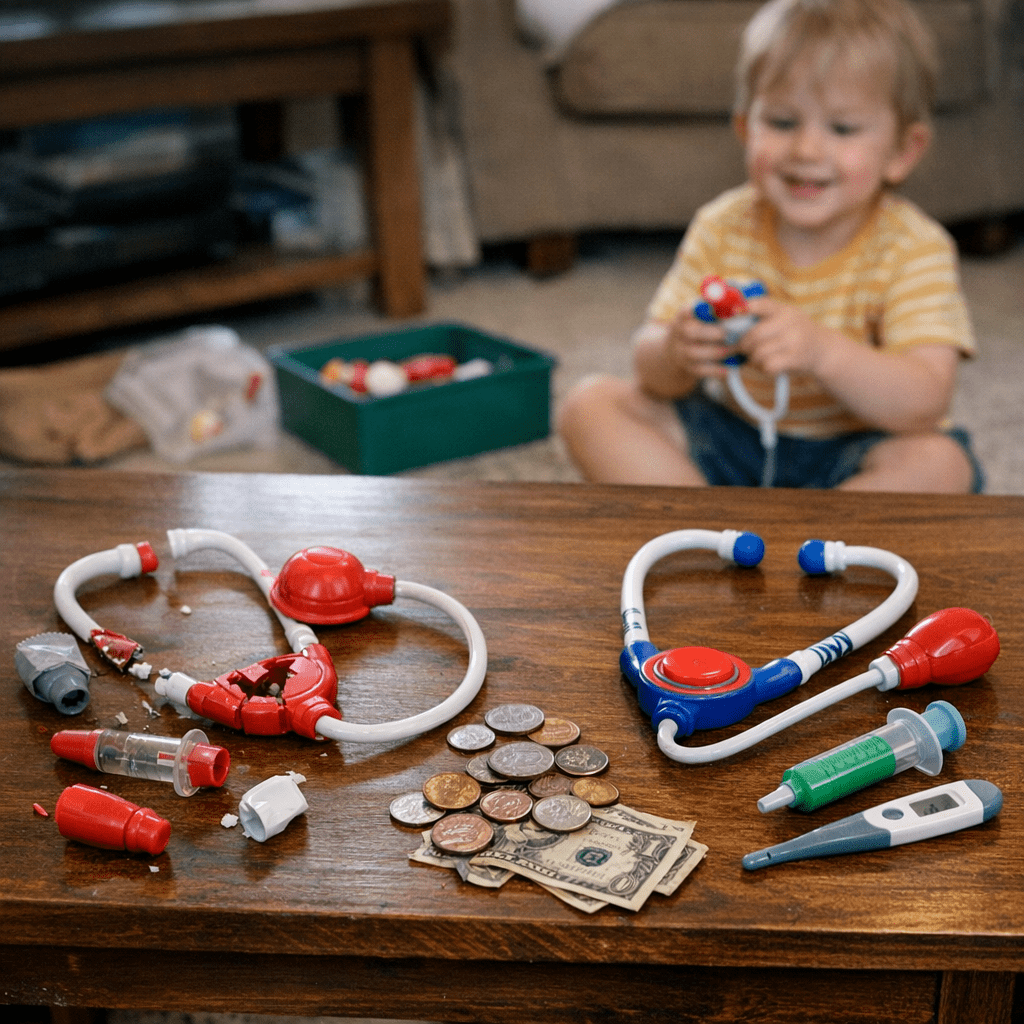
- Within days, pieces start breaking off or warping under normal use.
- You waste hours trying to track down replacement parts—or worse—you end up buying an entirely new set.
- Your child gets frustrated because their favorite tool no longer works properly (trust me, no one wants tears during pretend surgery!).
Investing upfront saves both time and tantrums later on.
5 Features That Set Great Kits Apart
Not all doctor kits are equal! These five features separate winners from duds:
1. Realistic Tools Without Overcomplicating Things
Kids love realistic-looking items like stethoscopes that actually make heart-beat sounds—but skip anything battery-operated unless you’re ready to deal with dead batteries mid-play session.
2. Gender-Neutral Design Options
Letting every kid feel included matters more today than ever before—and thankfully there are plenty of colorful yet neutral designs available now.
Related guide: read more: How to Choose
3. Interactive Elements That Teach Real Skills
Some top-tier sets include charts where kids “diagnose” symptoms or learn basic anatomy terms—a fun way sneak learning into playtime!
4. Compact Storage Solutions Built-In
Like I said earlier: without storage? Total chaos awaits! Look for kits that come packaged neatly inside durable carry cases kids can handle themselves.
5. Expandable Sets For Long-Term Use Cases
A good starter set should have add-on packs available later so older siblings don’t outgrow usefulness after age six-plus stages easily expand gameplay further growth spurts years ahead future-proof flexibility matters!
Comparing Top Picks Of 2026 Market
| Kit Name | Price | Safety Rating | Durability Score | Notable Feature(s) |
|——————————|————|—————|——————|———————————-|
| 🏆 Melissa & Doug Deluxe Kit | €45 | ✅ | ✅ | Washable + Includes Storage Bag |
| KidzLane Medical Set | €30 | ⚠️ | ❌ | Budget Choice |
| Learning Resources STEM | €50 ✅ ✅ Expandable Toolkits Perfect Growth

The Ultimate Guide to Choosing the Right Pretend Beauty Vanity Set with Washable Makeup for Role-Playing Fun - Crown Toys
[…] The Essential Guide to Choosing a Safe and Durable Doctor Pretend Play Kit for Toddlers […]