No products in the cart.
Shop all products
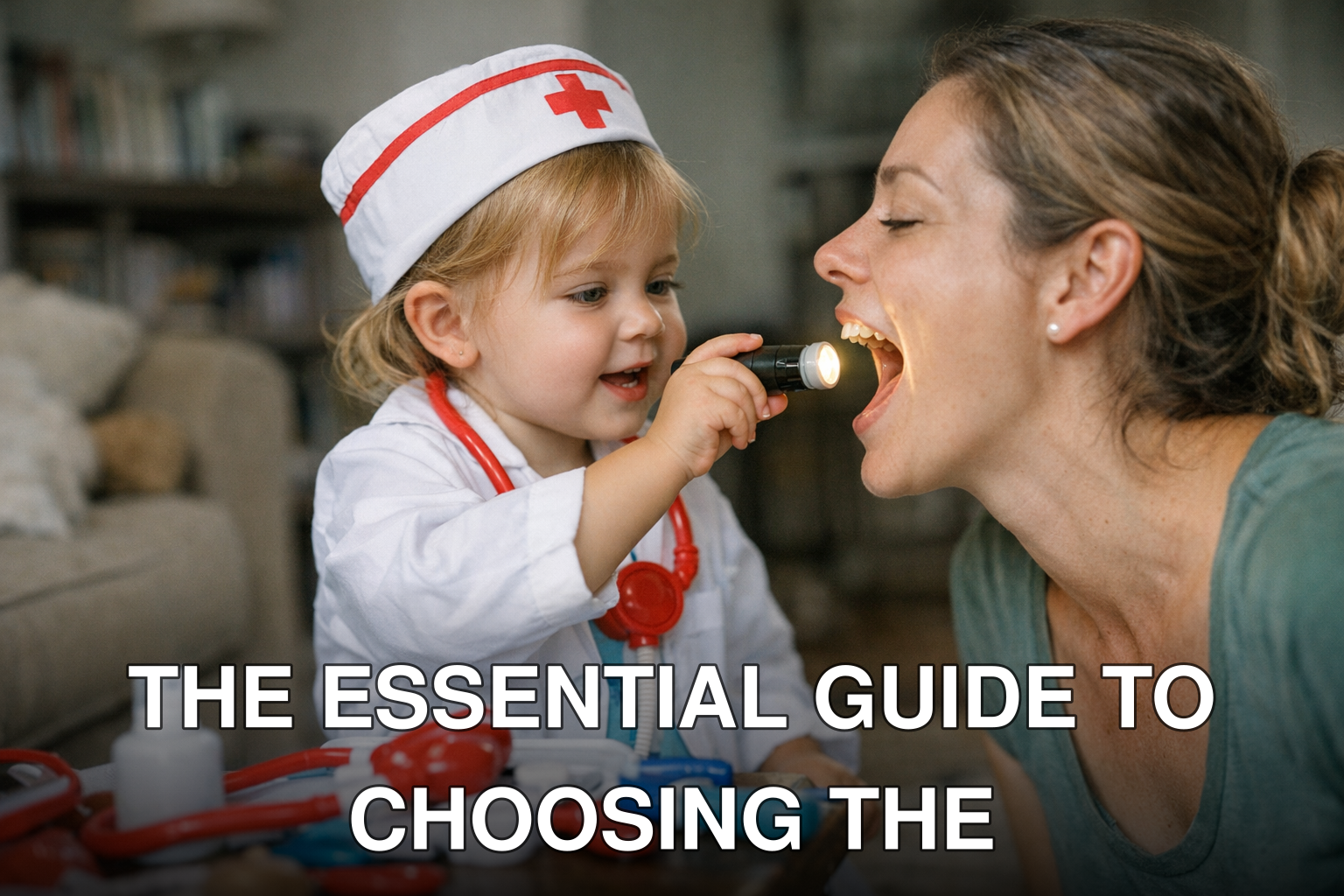
Imagine this: your three-year-old grabs a flashlight, stuffs it in your face, and says with all the authority of a seasoned ER doctor, “Say ahhh!” It’s cute, right? But it’s also a sign. Kids love to role-play, and when they pretend to be doctors or nurses, they’re not just having fun—they’re learning empathy, problem-solving, and even some basic science along the way.
Here’s the thing: not all toy doctor kits are created equal. Some are glorified plastic junk that’ll break in two days. Others come loaded with so many tiny parts that you’ll spend more time finding pieces under the couch than your kid will spend playing with them. And then there are those rare gems—the truly educational ones that keep kids engaged while teaching them real skills.
In this guide you’ll discover:
- What to look for in an educational doctor kit (hint: it’s more than just flashy tools).
- The difference between “educational” and “entertaining” kits (and why you need both).
- Specific examples of kits that actually deliver on their promises—and those that don’t.
Let’s get started because no parent has time to waste on toys that fail after one play session.

Why Doctor Kits Matter More Than You Think
Doctor kits aren’t just about pretending—it’s about learning through doing. When kids play “doctor,” they’re practicing everything from social skills to motor coordination. But here’s where things get tricky: if a kit is too simple or too complicated, it won’t hold their attention long enough for these benefits to stick.
The cost of inaction? If you skip this stage—if you don’t give your child access to role-playing tools like these—you’re missing a big opportunity to help them develop confidence and curiosity in how the world works. This matters even more now in 2026 when screen-based play dominates so much of childhood.
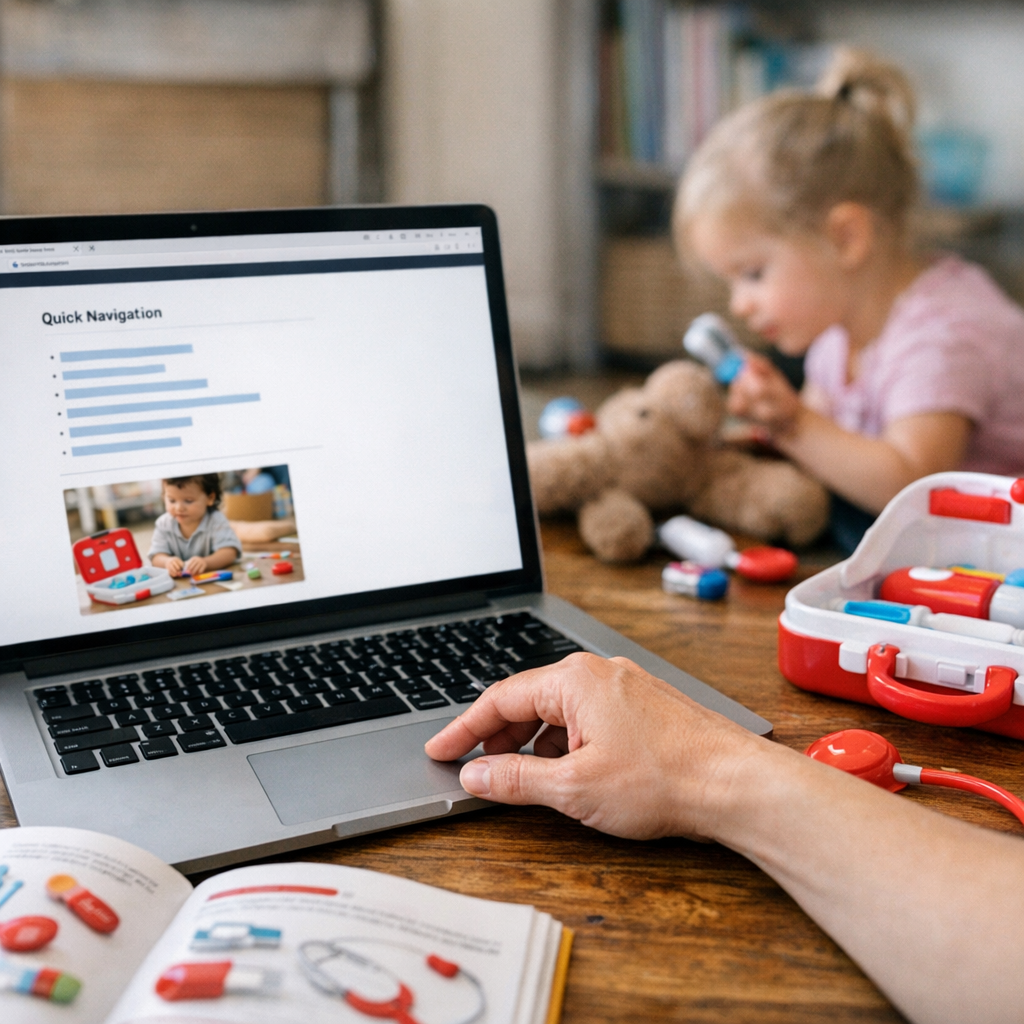
Quick Navigation
1. What Makes a Doctor Kit Educational?
Also worth reading: The Ultimate Guide to Choosing Safe and
3. 5 Best Kits for Ages 2–5 (With Real Examples)
4. Common Myths About Doctor Kits
5. FAQ: Your Burning Questions Answered
What Makes a Doctor Kit Educational?
An educational doctor kit doesn’t just entertain—it teaches something meaningful while keeping your kid engaged long-term. Here are the key elements every good kit should have:
1. Realistic Tools Sized Appropriately for Little Hands
Toys that resemble actual medical tools (stethoscope, thermometer) spark curiosity without overwhelming kids with complexity. Avoid sets with oversized or cartoonish props—they lose the connection to real-life applications fast.
Example: In 2026, Melissa & Doug’s “Get Well Doctor Kit” remains one of the best options because its tools look realistic but aren’t intimidating for toddlers.
2. Interactive Features That Teach Cause and Effect
Think lights flashing when they press buttons or thermometers where numbers change as they slide toggles up and down—that kind of interactivity keeps curious minds coming back.
3. Focus on Emotional Intelligence
A great doctor kit encourages empathy by including patient care elements like bandages or pretend medicine bottles—anything that gets your child thinking about how they can make someone feel better or comforted during an illness.
Key takeaway:
Educational doctor kits combine realism, interactivity, and emotional engagement so kids learn while having fun.
Related guide: read more: The Honest Guide
Top Features to Look For
It’s easy to grab any bright-colored box labeled “doctor playset,” but if you want something that lasts—and teaches—here’s what really matters:
Material Safety Matters More Than Ever
Non-toxic materials should be non-negotiable in 2026 given rising awareness around harmful plastics like BPA and phthalates in kids’ toys.
Some trusted signals include EN71 certification (a European safety standard), ASTM compliance (U.S.), or third-party testing labels from organizations like TUV Rheinland.
Pro Tip: Always check reviews for mentions of strong odors—this can indicate unsafe chemicals still lingering post-production.
Minimal Loose Parts
You might think more pieces = more fun, but let me stop you right there! When you’ve spent an hour crawling under furniture looking for yet another lost syringe cap, you’ll know why less is more—especially when dealing with toddlers who seem genetically programmed to lose things on day one.
Look for sets with fewer high-quality pieces rather than dozens of flimsy extras destined for oblivion under couches everywhere!
Does It Encourage Creativity AND Education?
There isn’t one perfect formula here—it depends on your child! If they love gadgets/electronics already? Go flashy tech-enabled kits! For quieter types? Choose sensory-focused kits designed around soft-touch fabrics & calming colors instead!
Also remember balance!!