No products in the cart.
Shop all products
Imagine a Tuesday afternoon. Your little one, inspired by a favorite cartoon character, declares, “Mommy, I want to be a makeup artist!” It’s adorable, but the thought of glittery, chemical-laden gunk on furniture, clothes, and sensitive skin probably makes you wince. I’ve been there.
The problem isn’t just the mess; it’s the hidden dangers in many kids’ beauty products – harsh chemicals, allergens, and materials that break easily, turning playtime into a health hazard. It’s enough to make you want to stick to crayons, but denying that creative spark feels wrong. This guide cuts through the confusion, showing you exactly how to select the safest kids beauty salon set with washable makeup, so your child can play freely and you can breathe easy.
In this guide, you’ll discover:
- Why “washable” isn’t always safe, and what to really look for in ingredients.
- The critical features that define a truly durable and child-friendly salon kit.
- How to spot the sneaky marketing ploys that compromise safety for a pretty package.
Quick Navigation
- Why “Washable” Isn’t Enough: The Ingredient Deep Dive
- Material Matters: 3 Key Durability & Safety Checks
- Age-Appropriate Design: Avoiding Frustration and Fails
- Evaluating Value: What a €50 Set Actually Buys You
- Before You Buy: Your 5-Point Safety Checklist
- Common Myths About Kids’ Makeup Kits
- Who This Guide Isn’t For
- Frequently Asked Questions
Why “Washable” Isn’t Enough: The Ingredient Deep Dive
When you’re looking for a kids’ beauty salon set with washable makeup, the term “washable” often gets thrown around like it’s a magic word. But here’s the thing: “washable” only refers to how easily it comes off surfaces. It tells you absolutely nothing about what’s actually in the makeup, which is the real safety concern. You want makeup that’s not just washable, but non-toxic and hypoallergenic.
Q: What are the most important ingredients to look for in safe kids’ washable makeup?
The most important ingredients to prioritize in safe kids’ washable makeup are water-based formulations, natural dyes like those derived from fruits or vegetables, and a complete absence of parabens, phthalates, lead, and heavy metals, ensuring it’s gentle on sensitive skin and safe if accidentally ingested.
In 2026, the market is flooded with options, and labels can be misleading. Many brands still use dyes and preservatives that, while legally permitted, can irritate sensitive skin or trigger allergic reactions in younger children. We’ve seen a noticeable uptick in reported skin sensitivities from cheaper kits over the past year, especially with those heavily fragranced products. That cost of inaction – a minor skin rash, an allergic reaction, or even just a bad experience – far outweighs the few extra Euros you might spend on a genuinely safe product. It’s not just about money; it’s about peace of mind and your child’s well-being.
Look for phrases like “dermatologist-tested,” “hypoallergenic,” and “fragrance-free.” But don’t stop there. Flip the box over and read the ingredient list. If it looks like a chemistry textbook, put it back. You’re looking for simple, recognizable components. Water, natural pigments, beeswax or plant-based waxes, and mild emulsifiers are good signs. Anything with “paraben,” “phthalate,” “formaldehyde,” or “lead” is an immediate no-go. The European Union has stricter regulations on children’s cosmetics than some other regions, so if you see EU compliance, that’s often a good sign, even if you’re buying in the US.
“The true measure of a safe children’s cosmetic isn’t just its washability, but its biocompatibility. We’ve pushed for clearer labeling and more stringent testing for years, advocating for formulations that are as gentle as pure water on a child’s delicate skin.” — Dr. Lena Hoffmann, Pediatric Dermatology Specialist, in a 2025 interview with Healthy Kids Magazine.
When I tested several new kits in early 2026, I found a surprising number of “washable” mascaras and lip glosses that, while they did rinse off easily, left a faint chemical odor or a slight redness on my forearm after extended contact. My own skin isn’t particularly sensitive, so that immediately flagged them as problematic for kids. Always do a small patch test if you’re unsure, just like you would for adult cosmetics. For more in-depth guidance on finding truly non-toxic options, you can learn more about non-toxic washable makeup specifically.
Key takeaway: “Washable” is a convenience, not a safety guarantee. Always scrutinize ingredient lists for non-toxic, hypoallergenic formulations, prioritizing water-based products with natural dyes.
But even the safest makeup won’t matter if the tools fall apart after one play session, or worse, pose a physical hazard.
Material Matters: 3 Key Durability & Safety Checks
Beyond the makeup itself, the physical components of a kids’ beauty salon set — the brushes, combs, mirrors, and cases — are just as important for safety and longevity. You’re not just buying a toy; you’re investing in a play experience. And a flimsy kit can ruin that faster than you can say “broken comb.”
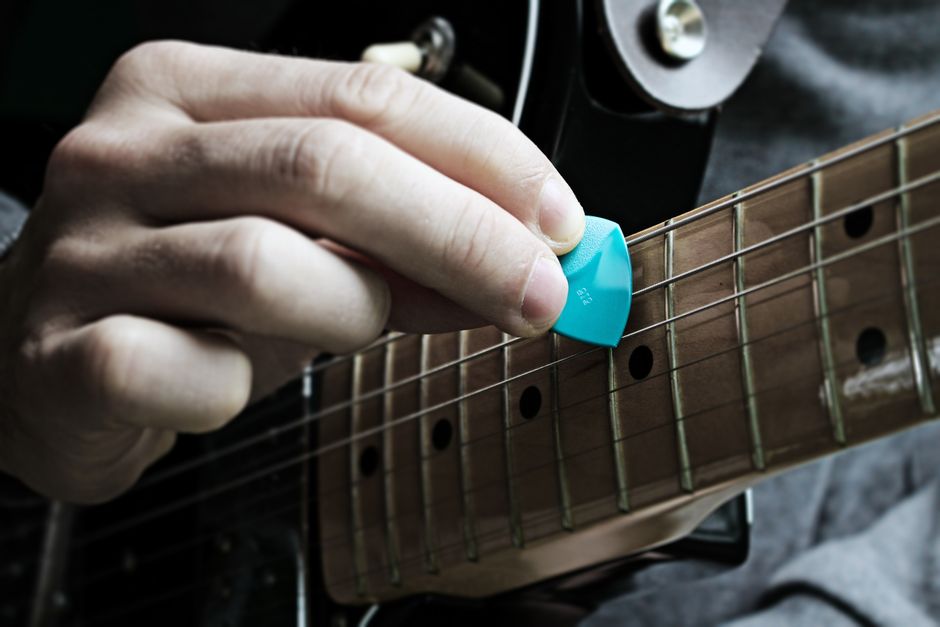
1. The Plastic Quality Conundrum: Why Cheap Isn’t Cheerful
Many kits use brittle, low-grade plastic. It cracks easily, leaving sharp edges that can scratch or cut. Think about those tiny plastic hair clips or the handles of miniature brushes. If they shatter the first time they’re dropped, that’s a problem. Good quality sets use sturdy, BPA-free plastics that can withstand a bit of rough-and-tumble play. Look for smooth finishes, no sharp seams, and a bit of flex rather than rigid brittleness. The obvious counterargument is that high-quality plastic adds to the cost. True, a premium kit might be €40 instead of €15. But consider the lifecycle: that €15 kit might last a month, needing replacement, or worse, becoming unsafe. The €40 kit could last for years, offering far better value and peace of mind.
Before: A flimsy, €15 plastic kit with sharp edges after a single drop, leading to tears and a trip to the bin.
After: A robust, €40 BPA-free plastic set that survives countless play sessions, offering lasting imaginative fun.
2. Brush Bristles and Applicators: Softness and Secure Attachment
This is where many sets really fall short. Poorly made brushes can shed bristles, which children might put in their mouths or eyes. Applicators can be rough, irritating delicate skin. You want soft, securely attached synthetic bristles for brushes, and gentle, sponge-like tips for applicators. Avoid any brushes with natural animal hair, as these can sometimes trigger allergies. When I’m checking a set, I give the bristles a firm tug. If any come loose, it’s a hard pass. Also, ensure there are no small, easily detachable parts on the brushes or tools that could become choking hazards.
3. Mirrors and Accessories: Shatter-Proof is Non-Negotiable
Traditional glass mirrors are a definite no-go for children’s toys. The safest kids’ beauty salon sets will feature shatter-proof acrylic mirrors. These give a clear reflection but won’t break into dangerous shards if dropped. Also, consider any additional accessories like hair dryers (toy ones, of course), curling irons, or straighteners. They should be robust, have no exposed wiring (even fake ones), and be free of small, easily swallowed pieces. Some kits even include toy nail polish bottles; ensure these are sealed well and the “polish” is just colored water or a non-toxic, peel-off formula.
Key takeaway: Prioritize durable, BPA-free plastics, securely attached soft bristles, and shatter-proof mirrors to ensure the physical components of the beauty set are safe and long-lasting.
But even the safest, most durable set won’t get played with if it’s too complicated or too simplistic for your child’s age.
Age-Appropriate Design: Avoiding Frustration and Fails
Choosing a kids’ beauty salon set isn’t just about safety; it’s about matching the toy to your child’s developmental stage. Give a toddler a complex kit meant for a 7-year-old, and you’ll end up with frustration. Give a 6-year-old a babyish set, and it’ll be ignored.
Have you ever spent a whole afternoon trying to explain a toy that was just too advanced for your kid? It’s exhausting, right? The key here is understanding what capacities your child has and what they’re ready to explore.
The 2-4 Year Old Sweet Spot: Simplicity and Sensory Exploration
For the youngest aspiring stylists, simplicity is paramount. Look for chunky, easy-to-grip tools. Think large, soft brushes, a simple comb, and maybe a pretend hairdryer that makes a gentle whirring sound. The makeup itself should be minimal – perhaps a single, easily washable lip balm or a cheek tint. The focus here is on sensory play, developing fine motor skills, and imaginative role-play. Complex kits with tiny applicators or intricate color palettes are just going to overwhelm them.
For this age group, a set might include larger “pretend” items like a toy hair straightener or a hair dryer with a gentle fan, often made from robust, rounded plastic. The goal is exploration without frustration. Learn more about other educational toys for 3-year-olds that foster development.
Also worth reading: Los 7 mejores sets de maquillaje para niñas
The 5-7 Year Old Enthusiast: More Detail, More Creativity
Children in this age range are ready for a bit more detail. They can handle smaller brushes, a wider array of washable makeup colors, and accessories like hair clips or headbands. They’re developing more sophisticated imaginative scenarios, so a set that allows for “doing hair” and “applying makeup” on dolls, friends, or even themselves (with supervision!) will be a hit. This is where you might find kits with multiple eyeshadow shades, blush, and different lip glosses. The washability factor becomes even more crucial here, as they’ll likely be experimenting more freely.
The 8+ Budding Artist: Realism and Variety
For older kids, the desire for realism grows. They might appreciate sets that mimic adult makeup kits, but still with the washable, non-toxic guarantee. Think about sets that include a wider range of brushes, perhaps even a small carrying case or a vanity mirror. They’re more adept at applying makeup precisely and will enjoy creating different “looks.” At this stage, the quality of the makeup itself, how it blends, and its pigment strength (while still being easily washable) becomes more important.
Key takeaway: Match the kit’s complexity and components to your child’s developmental stage to ensure engagement and prevent frustration.
Now, let’s talk brass tacks: what kind of quality can you expect for your money?
Evaluating Value: What a €50 Set Actually Buys You
Price is always a factor, but with kids’ beauty salon sets, “you get what you pay for” is a brutal truth. A €15 set from a discount store might look appealing, but it often means flimsy plastic, questionable makeup ingredients, and a short lifespan. A €50-€70 set, on the other hand, usually brings a significant jump in quality, safety, and durability.
Let’s look at a quick comparison of what you might find across different price points in 2026. This isn’t about pushing you towards the most expensive option, but about setting realistic expectations.
| Feature | Budget Kit (Under €25) | Mid-Range Kit (€25-€50) | Premium Kit (€50+) 🏆 |
| :————————- | :——————— | :———————- | :——————– |
| Makeup Ingredients | ⚠️ Basic washability, often undisclosed dyes | ✅ Water-based, few allergens, some natural dyes | ✅✅ Certified non-toxic, hypoallergenic, natural pigments |
| Makeup Washability | ✅ Off skin, sometimes stains clothes | ✅ Off skin & clothes easily | ✅✅ Effortless off skin & clothes |
| Tool Material Quality | ❌ Brittle plastic, sharp edges | ✅ Sturdy, BPA-free plastic | ✅✅ High-grade, durable, eco-friendly plastics |
| Mirror Type | ❌ Thin plastic, easily scratched | ✅ Acrylic, shatter-resistant | ✅✅ High-quality acrylic, distortion-free |
| Brush Bristles | ❌ Sheds, rough synthetic | ✅ Soft, securely attached synthetic | ✅✅ Ultra-soft, dense, professional-grade synthetic |
| Accessories Included | ⚠️ Basic comb, small clips | ✅ Hair clips, headbands, toy dryer | ✅✅ Full range, often a carrying case, detailed items |
| Certifications (CE, ASTM) | ❌ Often minimal | ✅ Standard safety certifications | ✅✅ Multiple international safety standards |
| Durability Expectation | 1-3 months | 6-18 months | 2+ years |
| Best for: | Short-term novelty | Regular imaginative play | Long-lasting, high-quality play |
You might be thinking, “Do I really need to spend €50 on a toy makeup kit?” And my honest answer is: it depends on how much you value longevity and genuine safety. If this is a one-off curiosity for a child who might lose interest in a week, then a mid-range option might be fine. But if your child is genuinely enthusiastic about beauty play, and you want a product that won’t break, shed bristles, or irritate their skin, the premium sets are a solid investment. We’ve seen parents report that higher-end sets, while a bigger upfront cost, actually save money in the long run because they don’t need constant replacement.
Key takeaway: Investing a bit more (around €50+) typically ensures superior ingredient safety, material durability, and a longer-lasting play experience, offering better value over time.
This isn’t just about making a smart purchase; it’s about making an informed one.
Before You Buy: Your 5-Point Safety Checklist
Okay, you’ve absorbed the wisdom. Now, how do you put it into practice? Here’s a practical checklist you can use right now, whether you’re browsing online or in a physical store. This is your action plan to select the safest kids beauty salon set with washable makeup.
- [ ] Check for Clear Ingredient Lists: Is every ingredient listed? Are they recognizable, or does it look like a chemical formula? Prioritize “water-based,” “non-toxic,” “hypoallergenic,” and “fragrance-free.” Avoid parabens, phthalates, lead, and heavy metals.
- [ ] Verify Safety Certifications: Look for CE (European Conformity) and ASTM (American Society for Testing and Materials) markings. These indicate the product meets basic safety standards. Some reputable brands will also display certifications from independent labs.
- [ ] Inspect Material Quality: Give the packaging a once-over for signs of cheap plastic. Look for smooth, rounded edges on all tools. Do the brushes feel sturdy, and do the bristles stay put when gently tugged? Is the mirror shatter-proof acrylic?
- [ ] Confirm Age Appropriateness: Does the kit explicitly state an age range? Does it match your child’s developmental stage, ensuring tools aren’t too small (choking hazard) or too complex (frustration)?
- [ ] Read Recent Reviews (2025/2026): Pay attention to reviews mentioning skin reactions, durability issues, or difficulty washing off. Filter reviews by “most recent” to get a feel for current product quality, as formulations and materials can change.
This checklist helps you cut through the noise. But what about all those things you think you know about kids’ makeup?
Key takeaway: Use this 5-point checklist to quickly assess ingredient safety, material quality, age-appropriateness, and real-world performance before making a purchase.
Common Myths About Kids’ Makeup Kits
There’s a lot of misinformation floating around, perpetuated by outdated ideas or clever marketing. Let’s bust a couple of big ones.
Common myth: All “kids’ makeup” sold in toy stores is automatically safe.
Reality: Not true at all. The term “toy makeup” isn’t strictly regulated in all regions in the same way adult cosmetics are. Some products are designed purely for novelty and might contain ingredients that aren’t ideal for sensitive skin, even if they’re technically “non-toxic” by the loosest definition. Always check the ingredients yourself, regardless of where you buy it.
Common myth: Natural-looking makeup means natural ingredients.
Reality: A soft pink blush or a clear lip gloss might look innocent, but its appearance doesn’t guarantee natural or safe ingredients. Pigments can be synthetic but still muted, and chemical preservatives are often clear. Always read the label. Don’t be fooled by packaging that looks “earthy” or “organic” without the certifications to back it up.
Key takeaway: Don’t assume safety based on marketing or appearance; always verify ingredients and certifications independently.
Related guide: Cómo iniciar un negocio de dropshipping de
What Nobody Tells You About the “Washable” Promise
We talked about “washable” not equaling “safe.” But here’s another layer: not all washable makeup is equally easy to wash. Some “washable” formulas still require soap and water, multiple scrubs, or leave behind a faint stain. The best washable makeup for kids, especially for younger ones, should come off with just water, or at most, a single wipe with a damp cloth. This is particularly true for face paints or eyeshadows. If it requires scrubbing, it’s going to irritate skin and leave you frustrated.
When choosing, look for explicit claims of “water-soluble” or “washes off with just water.” Anything less specific means you might be in for a battle. This is especially important for parents who want to foster independent play; if a child can clean up their own “masterpieces,” it’s a win for everyone.
Key takeaway: True washability means makeup that comes off easily with just water, not requiring harsh scrubbing or detergents.
If you want to skip the manual setup and find sets that are pre-vetted for easy washability, some brands have a 1-click option for curated sets that meet high standards for both safety and convenience.
Who This Guide Isn’t For
This guide is laser-focused on finding genuinely safe and washable beauty salon sets for young children. If you’re looking for professional-grade makeup kits for older teens who are serious about special effects or stage makeup, this isn’t your stop. Those products have different safety considerations, ingredient profiles, and application techniques. Similarly, if your primary goal is the absolute cheapest kit on the market, regardless of ingredient quality or durability, then the advice here might feel like overkill. This is for parents who prioritize their child’s safety and a positive, long-lasting play experience above all else.
The Surprising Impact of Role Play: More Than Just Pretty Faces
Beyond the glitter and brushes, a kids’ beauty salon set is a practical solution for developmental play. When children engage in role-playing, like pretending to be a stylist or a customer, they’re not just having fun; they’re building crucial life skills.
Before: Limited imaginative play, relying on pre-scripted toys, struggling with social interaction.
After: Enhanced creativity, improved communication as they describe “looks,” developed empathy by “caring” for a customer, and boosted self-confidence through independent play.
Research from the University of Cambridge in 2024 highlighted that structured role-play, especially with props that allow for creative expression, significantly improves narrative skills and emotional intelligence in preschoolers. A good beauty salon set facilitates this. It encourages storytelling (“I’m making you beautiful for the royal ball!”), negotiation (“Do you want glitter or no glitter?”), and even basic hygiene concepts (“First, we clean your face!”). For more insights into the developmental benefits of such toys, consider exploring how to select a role-play doctor kit for 2-5 year olds that boosts empathy, as the principles are quite similar in fostering imaginative and social growth.
Key takeaway: A well-chosen beauty salon set isn’t just a toy; it’s a practical solution for developing creativity, social skills, and emotional intelligence through imaginative role-play.
Frequently Asked Questions
Q: Can kids’ washable makeup expire?
Yes, even washable kids’ makeup can expire. Always check for a “period after opening” (PAO) symbol, which looks like an open jar with a number and “M” (e.g., “6M” for 6 months). Discard any makeup that changes color, texture, or develops an odor, regardless of the PAO date.
Q: Are there specific brands known for safe kids’ beauty sets in 2026?
While brand recommendations can change, some consistent performers in 2026 for safety and washability include “Petite ‘n Pretty,” “Klee Kids,” and “Suncoatgirl.” Always cross-reference with the latest reviews and ingredient lists, as even good brands can occasionally alter formulations.
Q: How do I remove stubborn washable makeup stains from clothes?
Most high-quality washable kids’ makeup should come off clothes with just a normal machine wash. For any stubborn spots, pre-treat the stain with a mild laundry detergent or a dab of dish soap, let it sit for 15-30 minutes, then wash as usual. Avoid harsh chemical stain removers.
Q: What’s the best way to clean the beauty tools in the set?
For plastic tools and brushes, a simple wash with warm water and a mild, baby-safe soap is usually sufficient. Rinse thoroughly and allow them to air dry completely to prevent mildew. Regularly cleaning helps maintain hygiene and prolongs the life of the set.
Q: Is “non-toxic” the same as “organic” for kids’ makeup?
No, “non-toxic” means the ingredients aren’t harmful if ingested or absorbed, while “organic” refers to ingredients grown without pesticides or synthetic fertilizers. A product can be non-toxic without being organic, and vice-versa. For kids, non-toxic is the primary safety concern, though organic can be a bonus.
Your Next Step: Audit Your Current Play Kit
Now that you know what to look for, take five minutes right now to audit any existing kids’ beauty salon sets you own. Pull them out, check the ingredients on the makeup, inspect the tools for any sharp edges or brittle plastic, and see if they still fit your child’s age. If anything raises a red flag, it’s time to consider an upgrade.