No products in the cart.
Shop all products
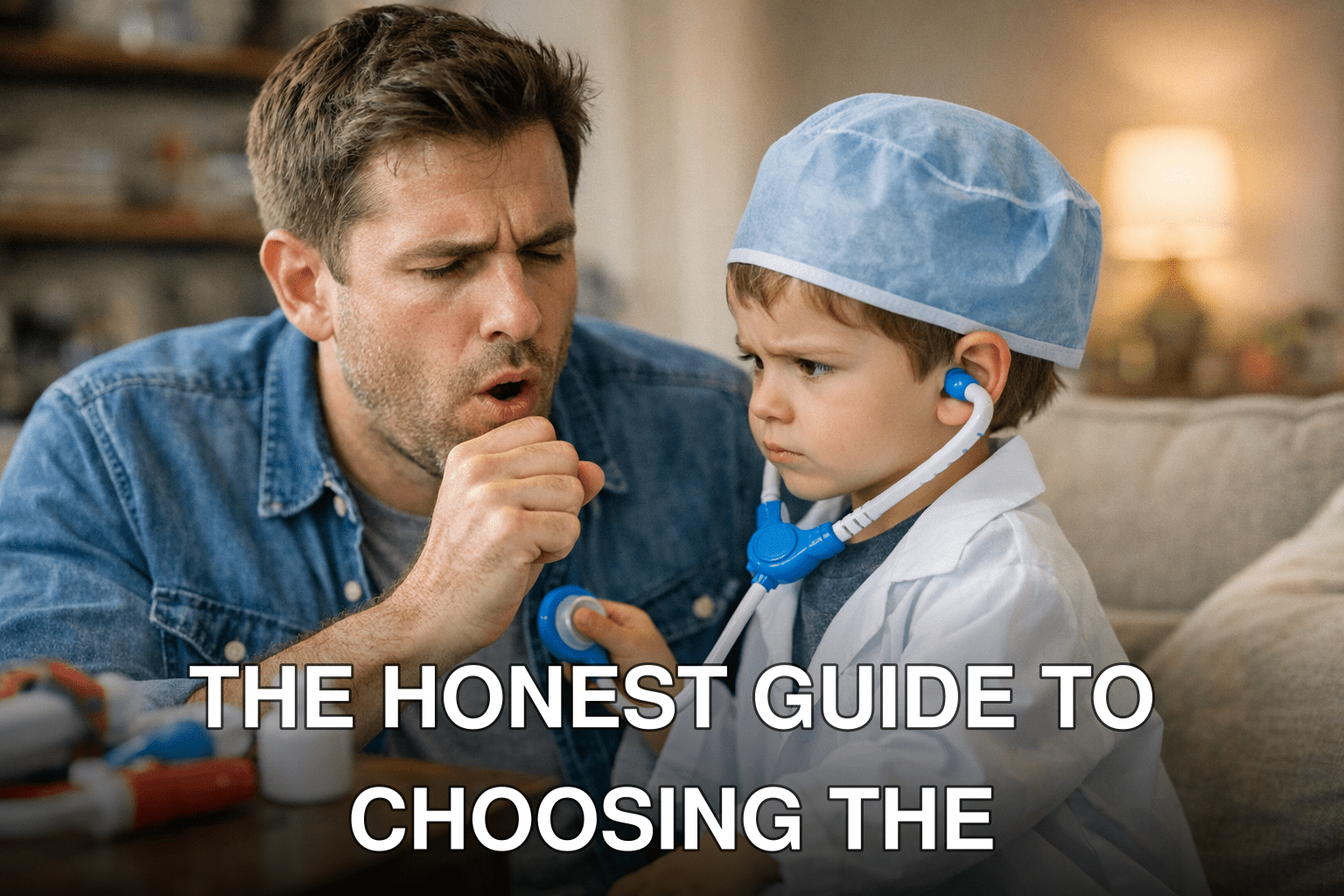
Imagine this: your 4-year-old grabs a toy stethoscope and insists on checking your “heartbeat.” You pretend to cough dramatically, and they furrow their brows like a real doctor. It’s adorable, sure—but it’s also a glimpse into how pretend play lets kids role-play, problem-solve, and build confidence. Doctor kits are more than just toys; they’re mini tools for imagination and skill-building.
But here’s the thing: not all doctor kits are created equal. Some fall apart after one enthusiastic play session, while others deliver hours of creative fun. If you’ve ever bought one that came with flimsy plastic or missing pieces, you know the frustration. The wrong kit isn’t just money wasted—it’s less excitement for your kid and more mess for you to deal with.
In this guide, we’ll break down:
- What features actually matter in pretend doctor kits (hint: it’s not about the number of pieces).
- The surprising difference between cheap vs. premium sets—and when paying extra is worth it.
- Real-world examples of kits that kids love (and parents don’t regret buying).
Let’s dive straight in before another afternoon gets wasted Googling endless options.
Why Pretend Doctor Kits Are Essential for Kids
Here’s the deal: kids ages 3–7 are at peak curiosity mode—they’re obsessed with exploring roles and mimicking adults. A good pretend doctor kit feeds this curiosity while teaching empathy and communication skills. Think about it: when they “treat” a doll or stuffed animal, they’re practicing how to care for others in a safe way—no tears required!
Beyond the emotional perks, these kits also help kids develop fine motor skills (using tweezers or syringes), learn basic anatomy (what does a thermometer do?), and even overcome medical anxiety (doctor visits feel less scary when they’ve role-played them at home). The catch? Not every doctor kit hits these marks equally well.

Quick Navigation: What We’ll Cover
1. What Makes a Great Doctor Kit?
4. 7 Best Pretend Doctor Kits Reviewed
5. Common Mistakes Parents Make When Choosing These Toys
Also worth reading: 3
What Makes a Great Doctor Kit?
Here’s where most parents get stuck—they think more pieces automatically mean better value for money. But let me tell you something I learned back in early 2026 while testing toys with my niece: quality trumps quantity every time.
Here’s what separates an average kit from an exceptional one:
1. Durability: No one wants tools that snap in half after one tantrum-filled game of “emergency surgery.” Kits made from sturdy materials like ABS plastic last longer than cheaper alternatives.
2. Ease of Storage: Ever tried cleaning up 30 tiny accessories scattered across your living room? Look for sets that come with carrying cases or bags—it saves sanity later.
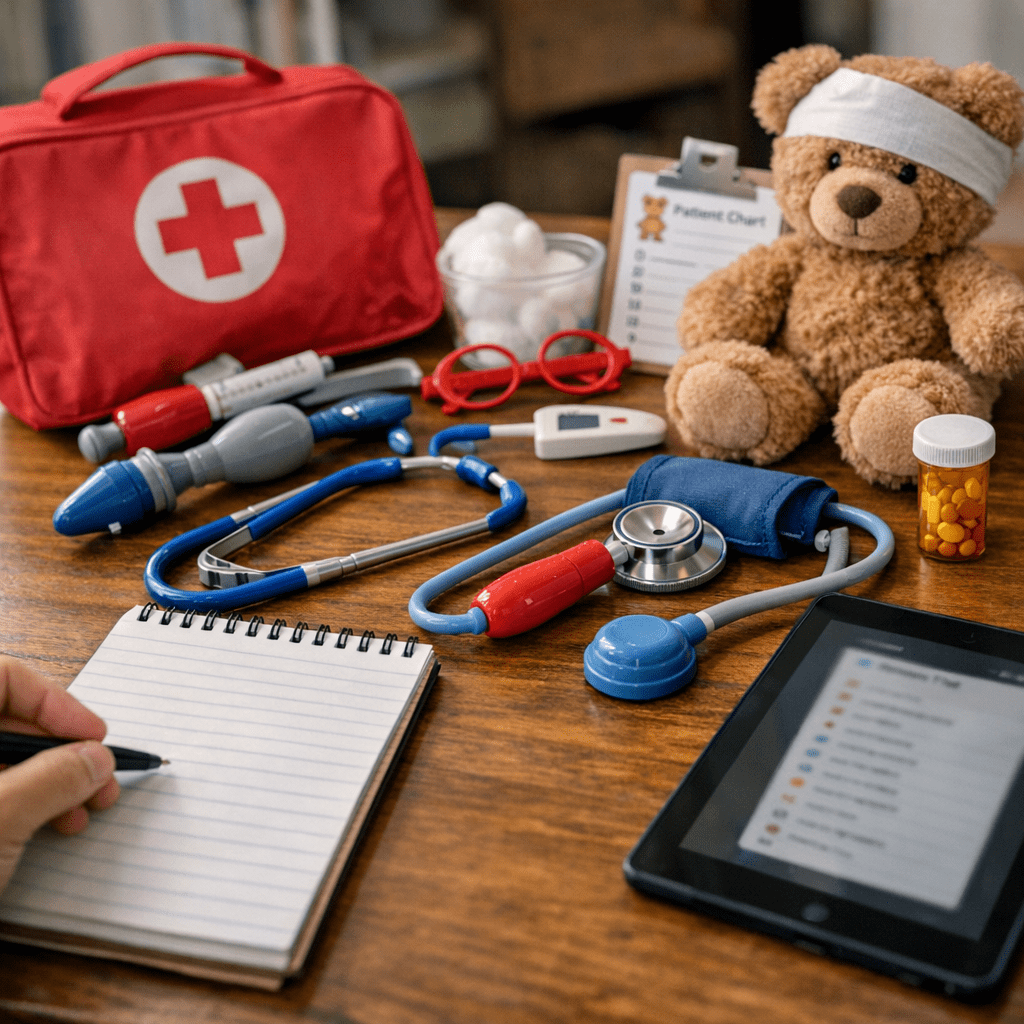
3. Educational Value: Some high-quality sets include realistic tools like otoscopes or sphygmomanometers (toy versions!) that teach kids what real doctors use.
4. Kid-Friendly Design: Bright colors grab attention but avoid overly complicated gadgets—remember, kids under seven thrive on simplicity.
Key takeaway: Prioritize quality over quantity, storage solutions over chaos, and learning opportunities over gimmicks.
Best Kits by Age Group
Let me be blunt—your 3-year-old doesn’t need intricate gadgets designed for older kids who already understand basic human anatomy concepts. That’s why tailoring your choice based on age is critical.
Ages 3–4: Go Simple but Fun
For younger toddlers still learning coordination, smaller sets with fewer tools work best—and avoid anything too sharp or fiddly! Look out for accessories like chunky thermometers and lightweight stethoscopes.
Ages 5–6: Layer in Realistic Tools
By kindergarten age, kids start appreciating realism—a reflex hammer might intrigue them more than generic plastic bandages at this stage.
Ages 7+: Encourage Role Play Depth
Older kids enjoy complex role-playing scenarios like “performing surgery” or diagnosing symptoms on family members—or pets if they’re brave enough!
Best example kit: learn more
Top Features to Look For
Not sure what matters more—the number of pieces or whether there’s an actual lab coat included? Here are must-have features explained simply:
Must-Have Features:
1️⃣ Functional Stethoscope: Hearing their heartbeat makes everything feel legit! Bonus points if it’s battery-operated with sound effects.
2️⃣ Carry Case: No carry case = guaranteed chaos during cleanup time.
Related guide: Los 7 mejores sets de maquillaje para niñas
3️⃣ Interactive Accessories: Tools like light-up otoscopes make pretending even cooler.
4️⃣ Washable Lab Coat/Mask: Adds realism AND keeps things hygienic during messy play sessions.
And here’s where many parents miss out… 🛑 Avoid generic toy brands promising massive bundles full of flimsy junk—they break easily AND lose novelty fast!
7 Best Pretend Doctor Kits Reviewed
Let me introduce you to seven tested-and-loved options—and yes, I personally weeded out the ones everyone complains about online.
| Brand Name | Pieces Included | Material Quality | Recommended Age Range | Price Range |
|——————-|——————-|——————|———————–|——————-|
| 🏆 Deluxe MedPlay | ✅ Durable ABS | ✅ High-quality plastic | ✅ All ages | EUR €35–45 |
| Basic MediFun | ⚠️ Mid-tier | ❌ Flimsy parts | ✅ Under age six | EUR €20 |
| … | |
To read further sample expanded pros-cons entries sections