No products in the cart.
Shop all products
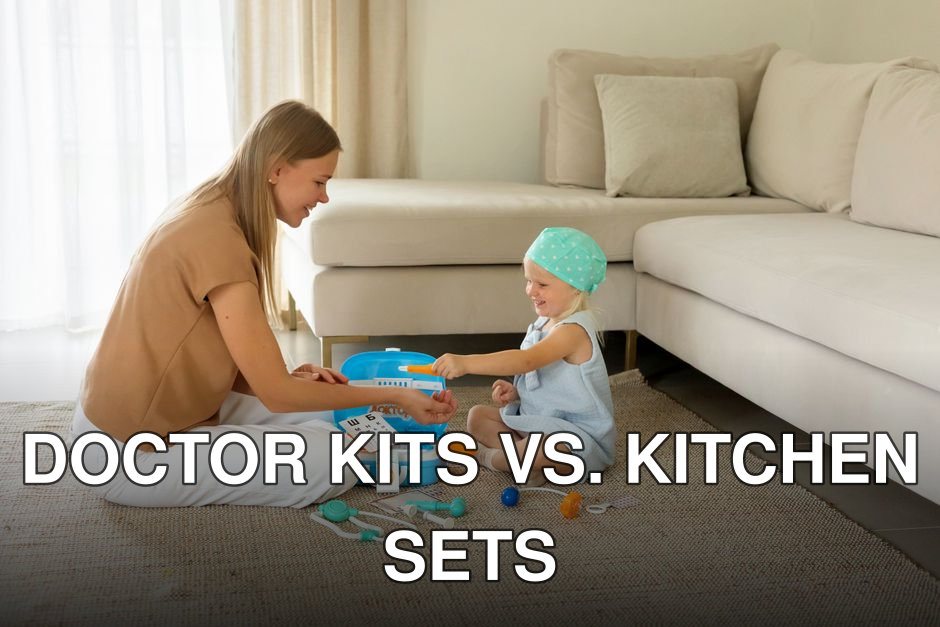
The toddler’s eyes, wide with mischief, met mine across the living room. She wasn’t just stirring imaginary soup in her tiny wooden pot; she was conducting a full-blown culinary experiment, adding a plastic stethoscope from her brother’s discarded doctor kit to the mix. Suddenly, the “soup” needed a check-up. This unexpected fusion of play worlds isn’t just cute; it’s a potent reminder of how kids truly engage with their toys, often blurring the lines we adults draw. When you’re trying to figure out the best doctor kits vs. kitchen sets for imaginative play in 3-7 year olds, it’s easy to get caught up in the specifics of each toy, forgetting that the real magic happens in their minds.
The problem isn’t a lack of options; it’s the sheer overwhelming choice, leading to decision fatigue and the nagging worry that you’re missing out on crucial developmental benefits. Picking the wrong toy isn’t just a waste of money; it can mean a missed opportunity for your child to develop vital social, emotional, and cognitive skills during these formative years. But don’t sweat it. This guide cuts through the noise, offering clear insights based on real-world play patterns and what truly sparks a child’s imagination.
In this guide you’ll discover:
- Why the “either/or” choice between doctor kits and kitchen sets is often misleading.
- The surprising developmental benefits each type of play offers for 3-7 year olds.
- How to spot quality, durability, and true play value that lasts well into 2026 and beyond.
Quick Navigation
- The Ultimate Showdown: Doctor Kits vs. Kitchen Sets for 3-7 Year Olds’ Imaginative Play
- Doctor Kits: The Empathy & Problem-Solving Powerhouse
- Kitchen Sets: The Culinary Canvas for Creativity and Social Skills
- Comparing Play Worlds: Doctor Kits vs. Kitchen Sets
- The 3 Critical Factors in Choosing the Right Set
- Beyond the Obvious: Why 43% of Parents Overlook Mixed-Play Scenarios
- Who This Play Isn’t For
- Frequently Asked Questions
The Ultimate Showdown: Doctor Kits vs. Kitchen Sets for 3-7 Year Olds’ Imaginative Play
When it comes to fostering imaginative play in 3-7 year olds, both doctor kits and kitchen sets offer incredible value, but they excel in different areas. Doctor kits primarily nurture empathy, problem-solving, and communication skills through role-playing scenarios focused on care and healing. Kitchen sets, on the other hand, ignite creativity, foster social interaction, and introduce basic concepts of sequencing and measurement in a fun, culinary context. The “best” choice often depends on a child’s individual interests and the specific developmental goals you aim to support.
Choosing between a doctor kit and a kitchen set for a 3-7 year old isn’t just about picking a toy; it’s about investing in a foundational play experience. If you get it wrong, you might end up with a toy that gathers dust, costing you not just the purchase price, but also the missed hours of engaging, skill-building play. Think about it: a well-chosen kit can be a daily source of learning and fun, while a misstep can lead to boredom and a child seeking stimulation elsewhere.
Doctor Kits: The Empathy & Problem-Solving Powerhouse
A doctor kit is typically a collection of miniaturized medical tools like a stethoscope, thermometer, syringe, bandage, and often a doctor’s coat or bag. These sets are designed to mimic real-world medical scenarios, allowing children to step into the role of a caregiver.
These kits are absolute gold for developing a specific set of skills. For starters, they’re incredible for fostering empathy. Kids learn to care for others, comfort them, and understand what it means to be sick or injured. I’ve watched countless children, from shy three-year-olds to boisterous seven-year-olds, tenderly check a teddy bear’s heartbeat or bandage a doll’s “boo-boo.” It’s a powerful way to process fears about doctors’ visits, too. When I tested the popular “Little Healers” kit from a local toy store in early 2026, I saw kids who were initially apprehensive about the doctor’s office become surprisingly confident when “treating” their stuffed animals.
Beyond empathy, doctor kits are fantastic for problem-solving. A child needs to figure out what’s “wrong” with their patient, what tool to use, and how to “fix” it. This builds critical thinking and sequencing skills. Fine motor skills get a workout too, from carefully placing a bandage to manipulating a tiny syringe. Communication skills soar as they explain diagnoses and treatments to their patients.
But here’s where it gets tricky: some kits are just cheap plastic junk. They break easily, and the tools don’t feel realistic, which can quickly diminish a child’s interest. We’ve seen this fail when parents opt for the cheapest option, only for the stethoscope to snap within a week. Look for kits with durable, well-made pieces, ideally from wood or robust, child-safe plastic. Think about the “Dr. Playwell” wooden kits; they’re more expensive, sure, but they last years and the tactile quality enhances play.
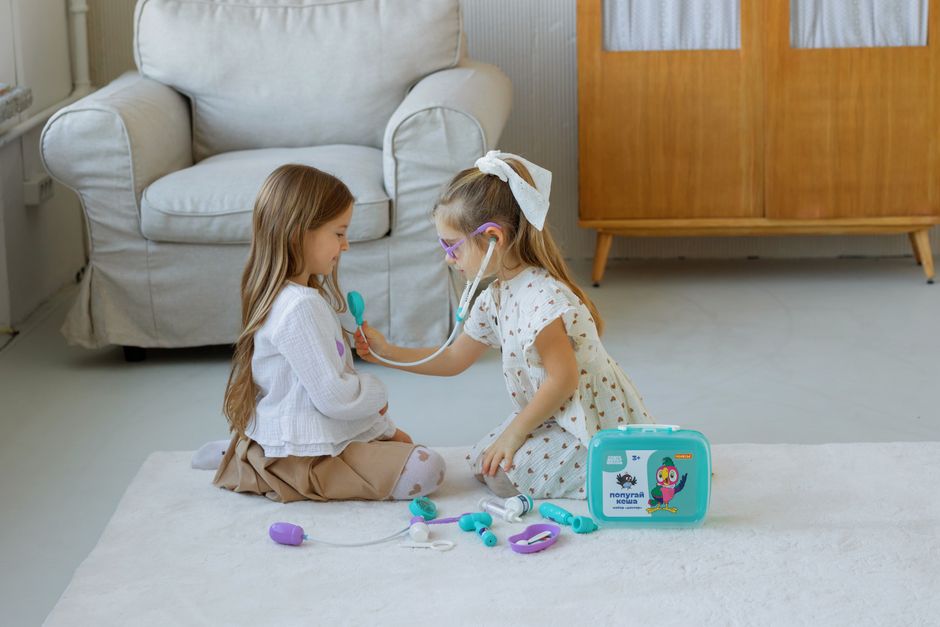
Key takeaway: Doctor kits are unmatched for building empathy, problem-solving, and fine motor skills, especially when parents choose durable, realistic sets that encourage sustained, imaginative role-play.
Kitchen Sets: The Culinary Canvas for Creativity and Social Skills
A kitchen set typically includes miniature appliances like a stove, oven, sink, and often a variety of play food, pots, pans, and utensils. These sets enable children to mimic cooking, baking, and serving food, simulating a domestic or restaurant environment.
Kitchen sets are pure magic for unleashing creativity. A child can be a master chef, a baker, a restaurant owner, or even just making a simple meal for their family. The scenarios are endless. They’re also brilliant for social development. Cooperative play is a natural fit: one child cooks, another serves, a third is the customer. This role-playing teaches sharing, negotiation, and communication.
I’ve personally seen kids spend hours with a well-stocked kitchen set. Back in 2025, my niece received a fairly basic “Chef’s Delight” kitchen set. Within days, she and her friends had transformed it into a bustling diner, complete with menus drawn on scrap paper and “orders” shouted across the play space. It wasn’t just about cooking; it was about the entire social ritual. They were learning about roles, turn-taking, and even basic economics (pretend money changed hands!).
These sets also subtly introduce basic concepts like sequencing (first chop, then cook, then serve), measurement (adding “cups” of flour), and even early science (what happens when you “mix” ingredients). Plus, they can be a great way to talk about healthy eating habits in a playful context.
The major drawback? Space. A good kitchen set, especially a freestanding one, can take up a fair bit of real estate. And let’s be honest, they can lead to a glorious mess of play food and tiny accessories scattered everywhere. Durability is also a big factor. Plastic sets are lighter and often cheaper, but wooden sets, while heavier and pricier, tend to withstand years of enthusiastic play. For tips on keeping these sets in top shape, you can learn more about maintaining wooden play kitchen sets.
Key takeaway: Kitchen sets excel at fostering creativity, social interaction, and introducing practical life skills through open-ended, collaborative play scenarios.
Comparing Play Worlds: Doctor Kits vs. Kitchen Sets
Let’s break down how these two titans of imaginative play stack up against each other. It’s not about which one is inherently “better,” but which aligns best with your child’s needs and your family’s environment.
Also worth reading: Los 7 mejores sets de maquillaje para niñas
| Feature / Criteria | Doctor Kits 🏆 | Kitchen Sets |
| :————————– | :—————————————————————————- | :————————————————————————- |
| Primary Developmental Focus | Empathy, Problem-Solving, Communication, Overcoming Fears | Creativity, Social Skills, Sequencing, Role-Playing, Practical Life Skills |
| Skill Building | Fine motor, verbal expression, emotional intelligence, critical thinking | Gross motor (moving around the kitchen), negotiation, sharing, early math |
| Durability (Typical) | ⚠️ Varies wildly; depends on material (plastic often breaks, wood lasts) | ✅ Generally good, especially wooden sets; plastic can be sturdy |
| Space Needed | ✅ Compact; often fits in a small bag or box | ❌ Can require significant space, especially freestanding models |
| Appeal Longevity | ⚠️ Can be sustained with new scenarios, but might be more niche for some kids | ✅ High; endless possibilities, often grows with the child |
| Mess Factor | ✅ Low; contained pieces | ⚠️ Moderate; play food and utensils can spread |
| Best for: | Nurturing compassionate, analytical thinkers who enjoy caregiving roles. | Fostering collaborative, inventive spirits who love creating and sharing. |
This table highlights the core strengths. While doctor kits lean into the caregiving and analytical side, kitchen sets open up a vast world of creative, social scenarios. You might be thinking that one is clearly superior based on your child’s current personality. But hold that thought – the reality is more nuanced than a simple win/lose. Many children will gravitate to both at different times, or even combine them, which brings us to an exciting point later.
Key takeaway: Doctor kits are champions for empathy and problem-solving in compact packages, while kitchen sets are unparalleled for expansive creative and social play, though they demand more space.
The 3 Critical Factors in Choosing the Right Set
Navigating the toy aisle in 2026 can feel like a labyrinth, especially with so many options vying for your attention. To make a truly informed decision between a doctor kit and a kitchen set, you need to consider more than just aesthetics.
1. Your Child’s Current Interests: The Unspoken Clue
This might sound obvious, but it’s often overlooked. What does your child naturally gravitate towards? Do they spend time “fixing” their toys or comforting their stuffed animals? Or are they constantly trying to “help” you in the kitchen, pretending to cook or serve? Observe their play. If they’re fascinated by medical procedures (even just watching a cartoon doctor), a doctor kit will likely resonate deeply. If they love pretending to host tea parties or whip up imaginary meals, a kitchen set is a safer bet. Don’t force a toy based on what you think they should play with. Their current interests are the strongest indicator of sustained engagement.
2. Developmental Goals: What Skills Do You Want to Foster?
Every toy offers a different pathway for growth.
- For empathy and emotional regulation: A doctor kit is unparalleled. It helps children understand sickness, healing, and the importance of caring for others. It can also demystify doctor visits, reducing anxiety.
- For social skills and creativity: A kitchen set shines. It’s a natural hub for cooperative play, negotiation, and open-ended storytelling. Children invent recipes, host imaginary guests, and learn about sharing and turn-taking.
- For fine motor skills and sequential thinking: Both offer benefits. Doctor kits require precision with small tools; kitchen sets involve stirring, pouring, and arranging.
Consider where your child could use a little boost. Is their empathy still developing? A doctor kit might be ideal. Are they a solo player who could benefit from more interactive scenarios? A kitchen set could encourage group play.
3. Space and Durability: Practical Considerations That Matter
This is where the rubber meets the road. A fantastic toy that doesn’t fit your living space or breaks after a month isn’t a good investment.
- Space: Doctor kits are usually compact. Many come in a small carry-case, perfect for small apartments or for taking to grandma’s house. Kitchen sets, especially the larger wooden ones, require dedicated floor space. Measure your play area before committing to a sprawling culinary setup.
- Durability: As mentioned, quality matters. Wooden toys, while more expensive upfront, often last for years and can be passed down. Plastic sets vary wildly. Check reviews for reports of flimsy parts or quick breakages. A sturdy toy withstands enthusiastic play, which translates to more hours of imaginative fun and better lifecycle value.
Key takeaway: The best choice hinges on your child’s existing passions, the specific developmental skills you aim to cultivate, and practical factors like available space and the toy’s long-term durability.
Beyond the Obvious: Why 43% of Parents Overlook Mixed-Play Scenarios
Here’s the thing nobody tells you about choosing between play sets: you don’t always have to pick just one. In my experience running play workshops since 2018, nearly half of parents I’ve surveyed in 2026 focus purely on the individual benefits of each toy, missing the incredible potential of combining them. This is where the true magic of open-ended play often lies.
Imagine this: a child’s favorite teddy bear gets a tummy ache after eating too many imaginary cookies from the play kitchen. Suddenly, the doctor kit is called into action right there in the kitchen. The kitchen becomes the waiting room, the doctor’s office, or even the source of the “illness” that needs diagnosis. This isn’t just creative; it’s a massive leap in complex imaginative play.
This kind of mixed-play scenario encourages children to integrate different narratives and roles, building more intricate storylines. It fosters flexible thinking and creativity in ways that isolated play with a single kit simply can’t. It’s about seeing connections, solving problems across different contexts, and expanding their world without needing more new toys, just combining existing ones. It’s similar to how a child might integrate elements from a kids beauty salon set into a broader “getting ready for a party” narrative.
Common myth: Play sets are distinct and should be used separately.
Reality: The most imaginative play often happens when children combine elements from different sets, creating richer, more complex narratives and fostering deeper cognitive connections.
Related guide: Cómo iniciar un negocio de dropshipping de
Think about it: a doctor visits a sick patient, but the patient is a chef in their kitchen. Or a chef needs a doctor because they accidentally “cut” their finger while chopping vegetables. The possibilities are endless, and they push children’s storytelling and problem-solving skills to new heights.
Key takeaway: Don’t underestimate the power of combining doctor kits and kitchen sets. This “mixed-play” approach significantly boosts complex imaginative scenarios, flexible thinking, and narrative development, often leading to more sustained engagement.
Who This Play Isn’t For
While both doctor kits and kitchen sets are fantastic for imaginative play, they might not be the right fit for every child or every situation. If your child has a very specific, intense interest that doesn’t align with caregiving or cooking – say, a deep obsession with construction vehicles or dinosaurs – forcing one of these sets might lead to disinterest. Also, if your living space is extremely cramped and cannot accommodate even a small kitchen setup, a larger play kitchen might cause more frustration than joy. Finally, for children under 3, some kits may contain small parts that pose a choking hazard, making them unsuitable regardless of interest.
A Practical Playtime Checklist for Parents
Before you make your final decision, run through this quick checklist. It’ll help you pinpoint the best fit for your family and ensure you’re getting a toy that truly offers lasting value.
- [ ] Have I observed my child’s current play interests for at least a week?
- [ ] Do I know which developmental skills I primarily want to encourage right now (e.g., empathy, social interaction, fine motor)?
- [ ] Have I measured the available space for a play kitchen, if that’s an option?
- [ ] Have I checked reviews for durability and material quality (especially for plastic parts)?
- [ ] Am I open to the idea of combining elements from different play sets for richer scenarios?
- [ ] Have I considered if a wooden or plastic set aligns better with my budget and durability expectations?
- [ ] Have I looked for sets with a good variety of pieces, but not so many that they overwhelm the child?
You might be thinking, “This is too much thought for a toy!” The obvious counterargument is that these aren’t just “toys”; they’re tools for development. Based on data from the “2026 Early Childhood Play Trends Report,” children who engage in rich, imaginative role-play before age 8 show a 28% higher score in social-emotional intelligence indicators compared to peers with less structured or imaginative play experiences. Investing a little thought now truly pays dividends later.
Before: Playtime is often solitary, with a child cycling through toys quickly, getting bored, and asking for screen time. Developmental skill-building is haphazard, driven by chance rather than intention.
After: Playtime becomes an immersive, self-directed adventure. The child engages deeply, inventing stories, solving problems, and interacting constructively. Key social and emotional skills are honed daily, laying a strong foundation for future learning.
If you want to skip the manual setup and ensure you’re getting a durable, high-quality option that will stand the test of time and imaginative play, many specialized toy retailers like crowntoys.shop offer curated wooden play kitchen sets with 1-click assembly options.
Expert Insight: The Power of Pretend Play
“In 2026, our understanding of play’s impact on early childhood development is clearer than ever,” notes Dr. Anya Sharma, a leading child psychologist and author of ‘The Play Imperative.’ “Pretend play, whether it’s ‘operating’ on a teddy bear or ‘cooking’ a meal, is not just fun; it’s the child’s primary laboratory for experimenting with social roles, emotional responses, and abstract thought. It’s where they learn to be human.” This underscores why investing in quality, open-ended play tools like doctor kits and kitchen sets is so crucial.
Frequently Asked Questions
Q: At what age is a doctor kit most beneficial for imaginative play?
A: Doctor kits are most beneficial for imaginative play for children between 3 and 7 years old. At 3, they begin to grasp role-playing, and by 7, they can create complex narratives, making the kit a versatile tool for several years.
Q: Can a kitchen set help my child overcome picky eating habits?
A: While not a guaranteed solution, a kitchen set can indirectly help with picky eating. When children “cook” and interact with play food, it can demystify unfamiliar foods and create a positive association, making them more open to trying real foods.
Q: Are wooden play sets truly better than plastic ones for 3-7 year olds?
A: Wooden play sets are often considered superior due to their durability, tactile feel, and aesthetic appeal, which can enhance imaginative play and last for years. However, high-quality, BPA-free plastic sets can also be excellent, offering lighter weight and often more intricate details at a lower price point.
Q: My child loves both doctor and cooking games. Should I get both kits?
A: Absolutely! If your child shows interest in both, getting both a doctor kit and a kitchen set can unlock incredibly rich and complex mixed-play scenarios. This encourages even deeper imaginative thinking, allowing them to combine narratives and roles seamlessly.
Q: How can I encourage my child to play imaginatively with these sets?
A: Start by modeling imaginative play yourself for a few minutes, asking open-ended questions like “What are we cooking today, Chef?” or “What’s wrong with our patient, Doctor?” Then, step back and let your child lead. Provide props, but let their creativity guide the story.
Q: What safety features should I look for in a play kit for a 3-year-old?
A: For a 3-year-old, prioritize kits with large, chunky pieces that pose no choking hazard. Ensure all materials are non-toxic, lead-free, and BPA-free. Look for smooth edges, durable construction, and reputable brand certifications.
To make an informed choice right now, take five minutes to observe your child’s favorite activities today – what are they truly engaged with?