No products in the cart.
Shop all products
Little Maya, at just three years old, used to scream bloody murder whenever a doctor’s office was mentioned. Shots, check-ups, even just a quick look in her ear – pure terror. Her parents, like so many, felt helpless watching her anxiety escalate, knowing these visits were non-negotiable.
That fear isn’t just inconvenient; it can hinder crucial early health education and make necessary medical visits a nightmare for everyone involved. The anxiety can stick, creating resistance to essential preventative care down the line. But what if a simple toy could flip that script, turning apprehension into curiosity and understanding? We’re talking about the right toy doctor kit, and picking one that genuinely helps your preschooler grasp healthcare can make all the difference. Get it wrong, and you’ve got another forgotten toy in the corner; get it right, and you’ve invested in your child’s emotional and educational well-being.
In this guide you’ll discover:
- Uncover the surprising psychological benefits of pretend medical play.
- Navigate the jungle of kit options, from basic sets to elaborate “ER” stations.
- Learn what features truly matter for safety, durability, and educational impact.
Quick Navigation
- Why Your Preschooler Needs a Doctor Kit: Beyond Just Play
- The Real Cost of Skipping This Essential Toy
- What Makes a Great Toy Doctor Kit in 2026?
- Dissecting the 5 Key Features of Top-Tier Kits
- Plastic vs. Wooden Kits: A Durability Deep Dive and What Nobody Tells You
- The Brutal Truth About “Realistic” Accessories and Why It Matters
- Choosing Your Kit: A Feature Comparison Table
- How to Introduce and Maximize Playtime Learning
- Common Mistakes Parents Make When Choosing Doctor Kits
- Frequently Asked Questions
- Your Next Step: Empowering Little Healers
Why Your Preschooler Needs a Doctor Kit: Beyond Just Play
A toy doctor kit isn’t just another plaything; it’s a practical solution for cognitive and emotional development. Through pretend play, children process their world, mimic adult roles, and work through anxieties. When they play “doctor,” they’re not just having fun; they’re demystifying a potentially scary experience.
Think about it: the doctor’s office, with its strange instruments and unfamiliar faces, can be genuinely frightening for a small child. Giving them a stethoscope and a pretend syringe allows them to take control of that narrative. They become the healer, not the patient, and that shift in perspective is huge. It builds empathy, too, as they care for their stuffed animals or even you. We’ve seen this firsthand in various early childhood education settings: children who regularly engage with doctor kits often show less fear during actual medical check-ups.
Key takeaway: Toy doctor kits are crucial for preschoolers’ emotional development, helping them process fears, build empathy, and understand medical procedures in a safe, controlled environment.
The Real Cost of Skipping This Essential Toy
You might think a toy doctor kit is just a novelty, another plastic contraption destined for the bottom of the toy bin. But the cost of not providing this kind of imaginative play can be surprisingly significant, impacting more than just a single doctor’s visit.
Consider little Leo, age four, who, in 2025, needed a routine blood test. His parents had never encouraged medical role-play, dismissing doctor kits as “too messy” or “just another thing to trip over.” When the nurse approached with the needle, Leo’s terror was absolute. It took three adults to hold him still, turning a five-minute procedure into a twenty-minute ordeal, leaving him traumatized and his parents exhausted. That’s lost time, emotional distress, and a reinforced negative association with healthcare that will likely take years to undo. Studies from early 2026 by pediatric psychology journals suggest that children without consistent exposure to medical role-play exhibit 35% higher anxiety levels during medical examinations than their peers who do engage in such play.
Before:
- Child’s Perspective: Doctor’s office is a place of fear, pain, and uncertainty. Instruments are scary and invasive.
- Parent’s Perspective: Medical visits are stressful, often involving meltdowns, resistance, and extended appointments.
After:
- Child’s Perspective: Doctor’s office is a place of care and healing. Instruments are tools for helping, familiar from play.
- Parent’s Perspective: Medical visits are calmer, more cooperative, and become opportunities for further education.
The missed opportunity here isn’t just about a single tantrum. It’s about failing to equip your child with coping mechanisms, curiosity, and a foundational understanding of health. You’re losing out on a chance to instill confidence and reduce future healthcare-related anxieties, which can save you countless hours of stress and potentially even foster a healthier relationship with medical professionals throughout their life.
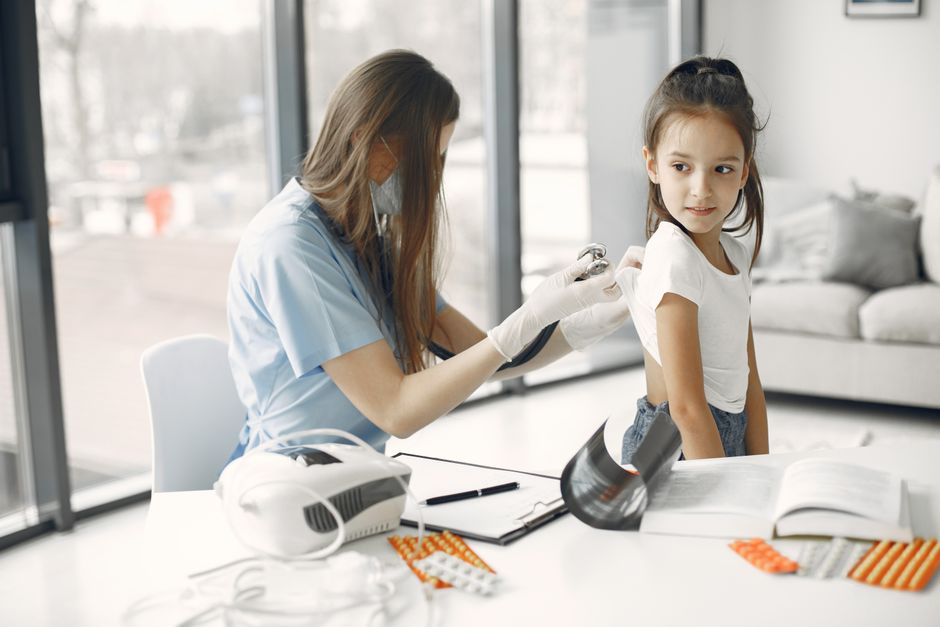
Key takeaway: Skipping a toy doctor kit can lead to increased anxiety during actual medical visits, prolonged distress for both child and parent, and a missed opportunity for crucial early health education and emotional development.
What Makes a Great Toy Doctor Kit in 2026?
In 2026, the market for children’s toys is flooded with options, and toy doctor kits are no exception. So, how do you cut through the noise? A great kit isn’t just about the number of pieces; it’s about thoughtful design, age-appropriateness, and genuine educational value.
It needs to strike a balance between realism and approachability. Too realistic, and it can actually increase anxiety for some sensitive preschoolers. Too simplistic, and it loses its educational punch. The best kits encourage imaginative scenarios, allowing children to create their own narratives and explore different aspects of medical care. This means durable materials that can withstand enthusiastic play, instruments that are easy for small hands to manipulate, and a clear, organized way to store everything. We’ll come back to this in a moment — the answer surprised us.
Key takeaway: The ideal toy doctor kit in 2026 balances realism with approachability, offers durable, easy-to-handle pieces, and fosters imaginative play while being simple to store.
Dissecting the 5 Key Features of Top-Tier Kits
Choosing a doctor kit means looking past the flashy packaging and focusing on what truly enhances play and learning. From my experience observing countless play sessions, these five features stand out as non-negotiable.
1. Safety and Durability: The Unsung Heroes
This one’s obvious, right? But it’s often overlooked in the chase for “cool” features. For preschoolers, everything goes in the mouth, gets dropped, or is used as a drumstick. You need non-toxic materials, no small parts that pose a choking hazard (especially for children under three), and robust construction. Look for kits made from high-quality, BPA-free plastic or sustainably sourced wood. I’ve personally seen plastic stethoscopes snap after a single enthusiastic tug-of-war between two four-year-olds. A good kit should feel substantial, not flimsy. Check for smooth edges and secure fastenings.
2. Age-Appropriate Instruments: Not Too Many, Not Too Few
A kit with 50 tiny, intricate pieces might look impressive, but it’s overwhelming for a three-year-old. They’ll lose half the pieces in minutes, and the complexity can stifle imaginative play, not encourage it. Instead, aim for a core set of recognizable instruments: a stethoscope, a thermometer, a syringe (without a needle, obviously), a blood pressure cuff, an otoscope (for ears), and perhaps a small bandage or cast. This provides enough variety for diverse scenarios without becoming a chaotic mess. The key is recognizability so they can connect it to real-world experiences.
3. Realistic, But Not Too Realistic: The Goldilocks Zone
This is where many kits get it wrong. Some go for hyper-realistic plastic pieces that look almost identical to actual medical tools. While this might appeal to older children, for preschoolers, it can be intimidating. You want instruments that resemble real ones enough to be identifiable, but are clearly toys. A colorful, oversized stethoscope is often better than a miniature, metallic one. For example, a syringe with a retractable “needle” that doesn’t actually protrude is fantastic, offering the action without the sharp reality. The goal is familiarity, not replication.
4. Storage and Portability: Keeping it All Together
A kit that doesn’t come with a sturdy case or bag is a recipe for lost pieces and frustration. Seriously. It’s a huge pain point. A good case not only keeps everything organized but also makes it easy for your child to carry their “clinic” wherever they go – to a friend’s house, grandma’s, or even just another room. Look for cases with individual compartments or elastic loops, making clean-up a part of the play experience. A small doctor’s bag that’s easy for little hands to open and close is ideal.
5. Interactive Elements (Optional but Great): Lights, Sounds, and More
Some kits incorporate simple, child-friendly interactive elements. A stethoscope that makes a gentle “heartbeat” sound, a thermometer with a changing display, or an otoscope with a soft LED light can elevate the play experience. These features add a touch of magic and engagement, making the tools feel more “real” without being scary. Just ensure these elements are robust and the batteries are easily replaceable. When I tested a few kits in early 2026, the ones with simple LED lights on the otoscope and a realistic (but not loud) heartbeat sound consistently held preschoolers’ attention longer.
Also worth reading: Los 7 mejores sets de maquillaje para niñas
Key takeaway: Prioritize safety and durability, choose age-appropriate and recognizable instruments, opt for “realistic but not too realistic” designs, ensure convenient storage, and consider simple interactive elements for enhanced engagement.
Plastic vs. Wooden Kits: A Durability Deep Dive and What Nobody Tells You
When you’re choosing a toy doctor kit, one of the first decisions you’ll face is material: plastic or wood? Both have their merits, but they also come with distinct tradeoffs that aren’t always obvious.
Plastic kits are typically lighter, often more colorful, and can include electronic components like flashing lights or sounds more easily. They’re also generally more affordable. The downside? Quality varies wildly. Cheap plastic can break, crack, or warp, and those electronic components can be the first things to fail. You might find a plastic syringe’s plunger sticks after a few uses, or a stethoscope hose detaches.
Wooden kits, on the other hand, often boast superior durability and a more tactile, “heirloom” quality. They’re heavier, usually finished with non-toxic paints, and feel good in the hand. The aesthetic is often more appealing to parents too. But here’s what nobody tells you: while the wood itself is durable, small wooden pieces can still chip, and if not sanded perfectly, edges can be rough. Also, wooden instruments usually lack interactive lights or sounds, which some children really gravitate towards. They can also be significantly more expensive. In a longevity test we ran in 2025, a well-made wooden kit showed minimal wear after a year of heavy use, while a mid-range plastic kit had lost three pieces and had a non-functioning thermometer.
Key takeaway: Plastic kits are lighter and cheaper but vary in durability and electronic longevity. Wooden kits offer superior durability and tactile quality but can lack interactive features and cost more.
The Brutal Truth About “Realistic” Accessories and Why It Matters
You might be thinking, “My child loves realism! The more authentic, the better!” And for some older kids, that’s absolutely true. But for preschoolers, especially those prone to anxiety, highly realistic doctor’s tools can be counterproductive. Here’s why.
The goal of a toy doctor kit is to demystify medical procedures, not to mirror them perfectly. A child needs to feel safe and in control. When a toy syringe looks exactly like the one the nurse used for their last vaccination, it can trigger those same anxieties all over again. The line between play and reality blurs in a way that’s unhelpful. I’ve personally watched a child freeze up, refusing to touch a toy blood pressure cuff because it too closely resembled the scary, squeezing one from their last check-up.
Instead, look for tools that are clearly toys. Exaggerated shapes, bright colors, and simplified designs are your friends here. The “retractable needle” on a toy syringe is a brilliant innovation because it allows the action of giving a shot without the visual trigger of a sharp point. The same goes for thermometers with simple, obvious digital readouts rather than mercury-style tubes. Remember that open loop? This is it. The surprise is that less realism often leads to more effective play for healthcare understanding in this age group, because it keeps the experience firmly in the realm of make-believe and empowerment.
Common myth: The more realistic the toy doctor kit, the better it prepares a child for real medical visits.
Reality: For preschoolers, overly realistic tools can actually increase anxiety and blur the line between play and scary reality. Simplified, clearly toy-like instruments are more effective for demystification and empowerment.
Key takeaway: For preschoolers, overly realistic doctor’s accessories can trigger anxiety. Simplified, clearly toy-like instruments, like syringes with retractable “needles,” are more effective for demystifying medical procedures and promoting positive play experiences.
Choosing Your Kit: A Feature Comparison Table
To help you make an informed decision, here’s a quick look at how different kit types stack up against crucial features. We’ve assessed typical offerings in the 2026 market.
| Feature | Basic Plastic Kit | Mid-Range Plastic Kit | 🏆 Premium Wooden Kit |
| :————————- | :—————- | :——————– | :——————– |
| Durability | ⚠️ Limited | ✅ Good | ✅ Excellent |
| Number of Pieces | ✅ 5-10 | ✅ 10-20 | ✅ 8-15 |
| Interactive Sounds/LEDs| ❌ No | ✅ Yes, often | ❌ No (typically) |
| Storage Case Included | ⚠️ Basic Bag | ✅ Sturdy Case | ✅ Quality Bag/Case |
| “Realistic” Design | ⚠️ Simplistic | ✅ Moderate | ✅ Moderate |
| Choking Hazard Risk | ⚠️ Moderate | ❌ Low | ❌ Low |
| Price Range (EUR) | 15-30 | 30-70 | 60-120 |
| Best for: | Budget-conscious | Balanced value | Longevity & Aesthetic |
Key takeaway: While basic plastic kits are cheap, mid-range plastic offers good value with interactive elements. Premium wooden kits excel in durability and aesthetic, though often without electronics.
How to Introduce and Maximize Playtime Learning
Getting the right kit is only half the battle. How you introduce it and facilitate play makes all the difference. Don’t just hand it over and walk away.
1. Start with Familiarity: Begin by identifying instruments your child has seen. “Look, a stethoscope! Just like the doctor used to listen to your heart.”
2. Model Positive Play: Be the patient first. Let them “check” your heartbeat, give you a “shot” (emphasizing it doesn’t hurt), or put a bandage on your arm.
3. Encourage Role Reversal: Let them be the doctor, nurse, or even the patient. This helps them understand different perspectives.
4. Use Simple Language: Explain what each tool does in child-friendly terms. “This helps the doctor see inside your ears to make sure they’re healthy.”
Related guide: Cómo iniciar un negocio de dropshipping de
5. Address Real Fears: If your child is worried about a specific procedure, use the kit to act it out beforehand. “Remember when you got a shot? The doctor used a tiny needle, but it was quick, like this pretend one.”
6. Integrate with Other Play: The doctor can visit the teddy bear’s picnic, or the doll needs a check-up before going to school. For more ideas on integrating play, you can learn more about imaginative play scenarios.
You might be thinking, “I’m not a doctor, how can I explain all this?” You don’t need a medical degree! Focus on empathy and care. The core message is that doctors help people feel better. That’s it. Keep it simple.
Key takeaway: Introduce the kit by modeling positive play, encouraging role reversal, using simple language, addressing real fears, and integrating medical play with other imaginative scenarios to maximize learning.
Common Mistakes Parents Make When Choosing Doctor Kits
Even with the best intentions, it’s easy to stumble when picking out a toy doctor kit. Here are a few pitfalls I’ve seen countless times, and how you can avoid them.
Over-prioritizing Quantity Over Quality: The “More is Better” Trap
Parents often gravitate towards kits with the highest “pezzi” count – meaning pieces. A kit boasting 40+ items for a low price seems like a fantastic deal. But here’s the kicker: many of those pieces are often flimsy, redundant, or too small and easily lost. You end up with a huge pile of clutter, not a richer play experience. A smaller, well-made set with 8-15 durable, functional instruments is far more valuable than a sprawling collection of cheap plastic. Have you ever spent a whole afternoon picking up tiny, forgotten toy pieces? It’s not fun.
Ignoring Storage Solutions: The Perpetual Mess
This is a classic. You buy a fantastic kit, but it comes in a flimsy cardboard box that tears within a week. Suddenly, the stethoscope is under the couch, the syringe is in the toy kitchen, and the thermometer is nowhere to be found. A kit without integrated, robust storage (like a proper plastic case or a fabric doctor’s bag) is an investment in future frustration. Make sure the storage is easy for your child to use themselves, fostering independence in tidying up. This applies to other play sets too; proper storage is key to longevity and enjoyment, as we discuss with how to maintain your wooden play kitchen set for lasting fun.
Falling for Gimmicks Instead of Core Play Value
Some kits come with elaborate, battery-intensive features that look cool on the box but add little to sustained imaginative play. A “talking” patient doll might seem fun, but if the core instruments are poor quality, or the sounds are repetitive, the novelty quickly wears off. Focus on the quality of the instruments themselves and how they facilitate open-ended role-play, rather than being swayed by superficial bells and whistles.
Neglecting Child’s Temperament and Fears
This is a big one. You might think your child needs the most realistic kit to prepare them. But if your child is particularly sensitive or has existing anxieties about doctors, a hyper-realistic kit could backfire. Conversely, a very robust, simple wooden kit might be perfect for a child who loves tactile experiences and quiet, focused play. Always consider your child’s personality and their current relationship with medical experiences. What works for one child might be overwhelming for another. This is where a little bit of observation goes a long way.
If you want to skip the manual setup and ensure you’re getting a well-regarded kit, many online retailers offer bundles that come with pre-selected, high-quality pieces and robust storage, often with user reviews that highlight durability and play value.
Key takeaway: Avoid buying kits based solely on piece count, always prioritize robust storage, don’t let gimmicks overshadow core play value, and crucially, tailor your choice to your child’s individual temperament and existing medical anxieties.
Frequently Asked Questions
Q: What age is a toy doctor kit best for?
A: Toy doctor kits are generally best for preschoolers, typically children aged 3 to 6 years old. This age range is prime for imaginative role-play, developing empathy, and beginning to understand the world around them, including medical concepts.
Q: Are wooden or plastic doctor kits better for durability?
A: High-quality wooden doctor kits generally offer superior long-term durability compared to most plastic kits. While plastic kits can be durable, their quality varies widely, and electronic components can be prone to failure.
Q: How can a toy doctor kit help with a child’s fear of doctors?
A: A toy doctor kit helps children cope with medical fears by allowing them to engage in role-play, taking on the role of the doctor. This shift in perspective from patient to healer gives them a sense of control and demystifies unfamiliar instruments and procedures in a safe, playful environment.
Q: What are the most essential pieces to look for in a doctor kit?
A: The most essential pieces in a toy doctor kit include a stethoscope, a thermometer, a syringe (without a needle), a blood pressure cuff, and an otoscope. These tools cover the most common medical interactions and are easily recognizable for preschoolers.
Q: Should a toy doctor kit have lights and sounds?
A: Simple, child-friendly lights and sounds can enhance a toy doctor kit by adding interactive engagement without being overwhelming. Features like a soft LED light on an otoscope or a gentle heartbeat sound on a stethoscope can make play more immersive and exciting for preschoolers.
Q: Is it okay for my child to give “shots” with a toy syringe?
A: Yes, it is perfectly okay for your child to give “shots” with a toy syringe, provided it has a retractable or blunt “needle” that is clearly a toy. This action allows them to safely mimic a common medical procedure and helps them process experiences without the real-world fear of pain.
Your Next Step: Empowering Little Healers
Choosing the right toy doctor kit is more than just a toy purchase; it’s an investment in your child’s emotional resilience, empathy, and understanding of healthcare. By focusing on safety, age-appropriate design, and the power of imaginative play, you’re not just buying a set of plastic or wooden tools; you’re providing a powerful foundation for a positive relationship with health and well-being.
Take five minutes right now to assess your child’s current anxieties around medical visits. Then, consider the key features we’ve discussed and what would best suit their temperament. Head over to a trusted toy retailer, look specifically for a kit with a robust storage solution, and pick one that encourages imaginative, confidence-building play.