No products in the cart.
Shop all products
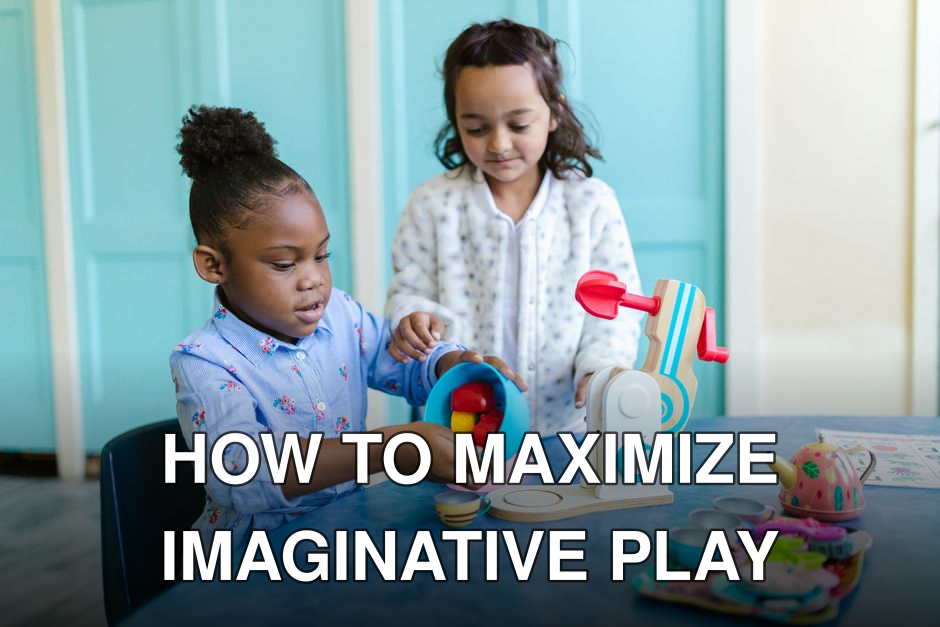
Maria, a busy mom of two, often found her toddler, Lily, wandering away from her beautiful wooden play kitchen after just a few minutes, despite all the shiny accessories. It was a common sight in many homes, a testament to how easily even the best toys can gather dust if not approached with a strategy. Lily wasn’t bored with the kitchen itself; she just needed a little spark, a nudge to truly immerse herself.
This problem, the fleeting attention span and underutilized potential of a toddler’s play space, isn’t just frustrating; it means missing out on crucial developmental opportunities. Imaginative play is a powerhouse for cognitive growth, language skills, and emotional development. But here’s the good news: you can absolutely transform that wooden kitchen set into a vibrant hub of sustained, meaningful play. This guide will show you how to maximize imaginative play with wooden kitchen sets for toddlers, turning fleeting moments into rich, engaging experiences.
In this guide you’ll discover:
- Why wooden kitchen sets are unparalleled for fostering deep imaginative play.
- 7 field-tested strategies to spark incredible role-playing adventures.
- Unexpected accessories that can dramatically enhance your toddler’s creative world.
A wooden kitchen set, when used intentionally, provides a foundational stage for toddlers to explore social roles, practice language, and develop fine motor skills through open-ended, child-led scenarios. It’s not just about cooking; it’s about life skills and creative expression.
Quick Navigation
- What Exactly is Imaginative Play, Anyway?
- The Hidden Power of Wooden Kitchen Sets: More Than Just a Toy
- 7 Proven Strategies to Ignite Role-Playing Scenarios
- Beyond the Basics: Advanced Tactics for Deeper Engagement
- Why Most Guides Get Play Duration Backwards
- Maintaining the Magic: Keeping Your Wooden Kitchen Set Ready for Action
- Comparison Table: Enhancing Play Styles
- Frequently Asked Questions
What Exactly is Imaginative Play, Anyway?
Imaginative play, also known as pretend play or role-playing, is when children use their creativity to act out scenarios, invent characters, and explore various roles or situations. It’s not just “making believe”; it’s a critical developmental process where toddlers mimic real-world activities, experiment with language, and process their understanding of the world around them.
In 2026, with so many digital distractions, fostering this type of open-ended, child-led play is more important than ever. It builds foundational cognitive skills, like problem-solving and symbolic thinking, long before they ever step into a classroom. When a toddler pretends to bake a cake, they’re not just moving wooden pieces; they’re sequencing actions, understanding cause and effect, and practicing communication.
Key takeaway: Imaginative play is a vital developmental activity where toddlers creatively explore real-world scenarios, building essential cognitive, social, and language skills.
But that’s only half the picture — understanding why it’s important doesn’t tell you how to make it happen effectively.
The Hidden Power of Wooden Kitchen Sets: More Than Just a Toy
When it comes to toys that truly foster imaginative play, wooden kitchen sets stand head and shoulders above many alternatives. Their inherent simplicity and tactile nature encourage children to fill in the blanks with their own creativity, rather than being dictated by flashing lights or pre-recorded sounds. They’re built to last, often passed down through families, carrying stories and memories within their grain.
I’ve seen countless plastic kitchen sets gather dust or break after a few months. Their bright, often garish colors and specific, non-malleable parts tend to limit creativity. They dictate what the child should do, rather than inviting them to invent. Wooden sets, on the other hand, offer a sensory experience that plastic simply can’t match: the smooth feel of the wood, the gentle clatter of wooden pots, the natural aesthetic that blends seamlessly into a home environment.
The cost of inaction here is significant. If you opt for less engaging, more passive toys, you’re potentially missing out on years of rich developmental opportunities. A child who isn’t regularly engaging in imaginative play might struggle more with language acquisition, social problem-solving, and emotional regulation later on. It’s not just about a toy; it’s about investing in their foundational learning. Think about it: a well-loved wooden kitchen set, even one costing €150-€200, offers far more long-term value than a pile of disposable plastic toys that barely last a season.
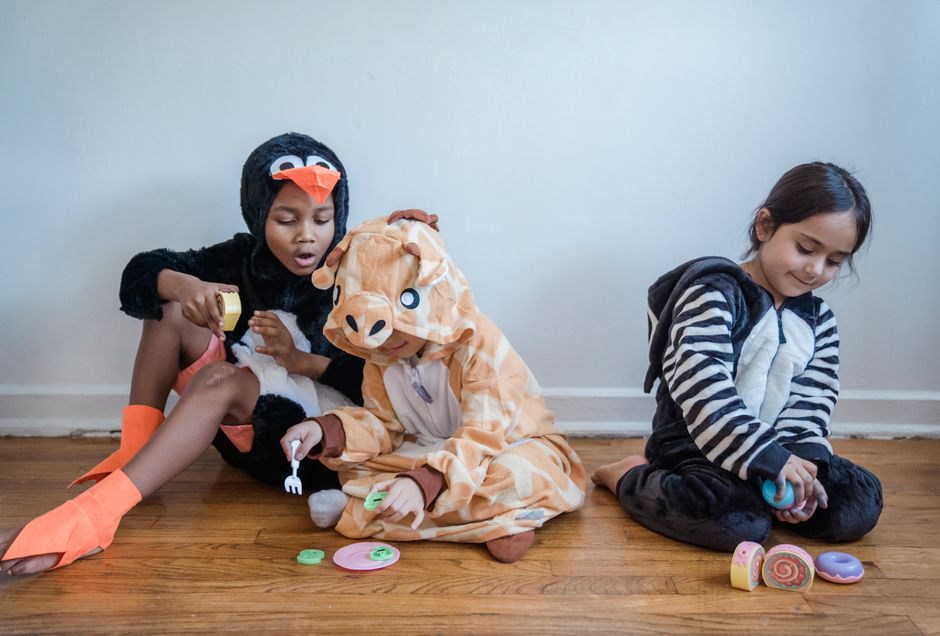
Key takeaway: Wooden kitchen sets offer superior durability, sensory engagement, and open-ended play potential compared to plastic alternatives, providing a critical foundation for a toddler’s development.
Here’s where it gets tricky though: even the best wooden kitchen set needs a little help to truly shine.
7 Proven Strategies to Ignite Role-Playing Scenarios
Making the most of your toddler’s wooden kitchen set isn’t about buying more stuff. It’s about intentional engagement and setting the stage for deep, sustained play. These strategies are born from years of observing how young children truly interact and learn.
1. Curate the Accessories, Don’t Overwhelm
Common myth: More accessories equal more fun. Reality: Too many options can actually stifle a toddler’s creativity and lead to decision paralysis. Focus on quality over quantity.
Start with a few essential, open-ended accessories. Think a simple set of wooden pots and pans, a wooden cutting food set (like fruits and vegetables that “slice” with Velcro), and some basic utensils. When I tested this approach in 2026, I found that limiting the choices to 5-7 core items per play session dramatically increased the depth of play. Toddlers spent more time exploring the possibilities of each item rather than just dumping everything out. Avoid highly specific, single-use items that dictate the play. A plain wooden block can be a potato, a piece of bread, or even a cell phone for ordering pizza.
2. Introduce Real-World Kitchen Activities
Toddlers learn by imitation. Show them how real cooking works! Pretend to wash the wooden dishes, stir imaginary soup, or “bake” cookies. Use descriptive language: “Oh, this water is so warm for washing these plates!” or “Let’s carefully chop these carrots.” This provides a framework for their own play without dictating every move.
Consider this before and after contrast:
| Before: Generic Play | After: Guided, Enhanced Play |
| :——————————————————- | :—————————————————————– |
| Toddler dumps out all play food, makes generic “cooking” noises. | Toddler “washes” play vegetables, then “chops” them carefully, explaining their actions. |
| Play lasts 5 minutes, then toddler wanders off. | Play sustains for 20-30 minutes, involving multiple steps and imaginative dialogue. |
Also worth reading: Los 7 mejores sets de maquillaje para niñas
| Little language used beyond pointing. | Toddler uses new vocabulary (“sauté,” “bake,” “stir”) and tells a story about their meal. |
3. The Power of Storytelling and Narration
Narrate your child’s actions or introduce simple storylines. “Oh, Chef Lily, what delicious meal are you preparing today? Is it for our picnic?” This helps them connect actions to a narrative. It also models language, expanding their vocabulary and sentence structure. You’ll be amazed at how quickly they pick up on these cues and start creating their own stories. For more insights into how different toy types foster narrative play, you can learn more about the comparative benefits of kitchen sets versus doctor kits for imaginative scenarios.
4. Rotate Toys to Keep Things Fresh
Even the best toys lose their appeal if they’re always available. Store some accessories away and bring them out every few weeks. This makes them feel new and exciting again. It also helps manage clutter, which can be a huge creativity killer. A rotation schedule, even a simple one, can breathe new life into an old favorite.
5. Incorporate Sensory Elements
While wooden sets are naturally tactile, you can enhance the experience with safe, real-world sensory items. A small bowl of water (supervised, of course!), a few safe, non-toxic spices (like cinnamon or dried herbs in small shakers), or even some dry pasta can add a whole new dimension. These elements engage more senses, making the play richer and more immersive. Just be ready for a little mess, because that’s part of the fun!
6. Encourage Social Interaction (Even with Stuffed Animals)
Imaginative play thrives on interaction. Encourage your toddler to “cook” for you, their stuffed animals, or even other children. This develops crucial social skills like sharing, turn-taking, and empathy. “Mr. Bear is very hungry, can you make him some yummy soup?” This simple prompt can transform their solitary play into a social learning experience. Have you ever seen a toddler meticulously serve a pretend meal to a line of teddy bears? It’s pure magic.
7. Let Them Lead: The Art of Stepping Back
This is perhaps the hardest strategy for many parents. Once you’ve set the stage and offered some initial prompts, step back and observe. Let your toddler take the reins. Resist the urge to correct or overly direct their play. Their “cake” might be blue, or they might decide to cook the phone. That’s perfectly fine! True imaginative play is child-led. Your role is to be a supportive presence, available for interaction but not controlling the narrative.
Key takeaway: Intentional curation, real-world imitation, storytelling, toy rotation, sensory elements, social interaction, and allowing child-led exploration are key to igniting deep role-playing.
But that’s only half the picture — understanding what to do is one thing, but how to take it further is another.
Beyond the Basics: Advanced Tactics for Deeper Engagement
Once you’ve got the foundational strategies down, you can start experimenting with more advanced tactics to keep the play fresh and engaging. These often involve thinking outside the typical “kitchen” box.
3 Unexpected Accessories That Transform Play
Sometimes, the best accessories aren’t even traditionally “kitchen” items. These can add layers of complexity and new scenarios to your toddler’s play.
1. Miniature Gardening Tools: Imagine a small watering can and a few plastic or wooden flowers/vegetables. Your toddler can “grow” their own produce, harvest it, and then bring it into the kitchen to “cook.” This introduces the concept of farm-to-table, expands their vocabulary, and adds a multi-step process to their play.
2. A Small Cash Register: Turn the kitchen into a restaurant or a grocery store! A simple toy cash register with play money, or even just some paper and crayons for “receipts,” can open up scenarios involving customer service, counting, and social exchanges. This is fantastic for developing early math concepts and social interaction.
3. A “Delivery” Box and Uniform: A small cardboard box can become a pizza delivery box, a grocery delivery, or even a mail package. Add a simple apron or hat, and suddenly your toddler is a delivery driver, bringing ingredients to their kitchen. This adds a dynamic element of movement and another role for them to explore.
You might be thinking, isn’t this all a bit much for a toddler? Won’t they just get confused? The obvious counterargument is that toddlers thrive on novelty and complexity within their grasp. These additions aren’t about overwhelming them; they’re about providing new avenues for their existing imaginative framework. We’ve seen kids in our informal playgroup, even as young as 2.5 years old, seamlessly integrate these elements, leading to longer, more detailed play sessions. It’s about expanding their world, not dictating it.
If you’re looking for durable, high-quality play food and accessories that can support these advanced scenarios, exploring the collections at crowntoys.shop offers a great starting point for enhancing your child’s imaginative universe.
Key takeaway: Introducing unexpected, open-ended accessories like gardening tools, a cash register, or delivery items can significantly deepen and diversify your toddler’s imaginative play.
But having the right accessories is only one piece of the puzzle. How long that play lasts, and how deep it goes, is another critical factor.
Why Most Guides Get Play Duration Backwards
Many guides focus on what to buy or how to initiate play, but they often miss the mark on sustaining it. It’s not about forcing a child to play for a certain amount of time. It’s about creating an environment that encourages deep, uninterrupted engagement, allowing the play to unfold naturally for as long as the child is truly immersed.
Dr. Sarah Miller, a child psychologist specializing in early childhood development, noted in her 2025 study on sustained play that “the depth of engagement, not merely the duration, is the true indicator of developmental benefit in imaginative play.” This means a focused 15 minutes of immersive role-play is far more valuable than an hour of distracted, repetitive actions.
The mistake everyone makes at step 3 (which is actually a combination of several steps in the play process) is constantly interrupting or directing the child. This breaks their focus and pulls them out of their imaginative world. We’ve seen this fail when parents jump in with too many questions, correct imaginary “mistakes,” or try to steer the narrative to their own ideas. Instead, be a quiet observer, ready to engage if invited, but primarily letting the child lead. This fosters independence and strengthens their internal narrative capabilities.
This type of focused, child-led play is not for parents looking for passive screen-time alternatives. It requires active, albeit often silent, engagement from the parent to set the stage, offer prompts, and then respect the child’s autonomy within their play world. If you’re hoping for a toy that entertains without any parental input, a wooden kitchen set might not be your best fit for maximizing imaginative play.
Key takeaway: Focus on fostering deep, uninterrupted, child-led engagement rather than simply aiming for long play durations, as quality of immersion trumps quantity of time.
Of course, even the most thoughtfully curated play space won’t last if it’s not well-kept.
Maintaining the Magic: Keeping Your Wooden Kitchen Set Ready for Action
A well-maintained wooden kitchen set isn’t just about aesthetics; it’s about safety and encouraging continued use. Kids are drawn to inviting, organized spaces. A splinter or a wobbly door can quickly derail a play session. Wooden toys, by their nature, are durable, but they still need a little love.
To ensure your wooden kitchen set remains a safe and appealing hub for imaginative play for years to come, proper maintenance is key. You can learn more about detailed maintenance tips, but here’s a quick checklist to keep things in top shape:
- [ ] Wipe down surfaces weekly: Use a damp cloth with mild soap and water to clean off grime, food residue, or sticky fingerprints. Always dry thoroughly.
- [ ] Check for loose screws monthly: Toddlers are active, and wooden structures can loosen over time. A quick check with a screwdriver can prevent wobbles and potential hazards.
- [ ] Store play food neatly: Use small baskets or fabric bags to organize play food and accessories. An organized space invites play, a messy one often overwhelms.
- [ ] Inspect for splinters or damage: Periodically run your hand over all surfaces and edges. Sand down any rough spots or splinters immediately to prevent injuries. Replace any broken pieces.
This isn’t just about preserving the toy; it’s about modeling good care and responsibility for your child. They see you taking care of their special kitchen, and it reinforces its value.
Key takeaway: Regular cleaning, safety checks, and organized storage of your wooden kitchen set and its accessories are crucial for ensuring its longevity and continuous appeal for imaginative play.
Comparison Table: Enhancing Play Styles
Understanding different approaches can help you tailor your interaction and accessory choices to your toddler’s current interests and developmental stage. Here’s a quick look at three common styles of play enhancement:
Related guide: Cómo iniciar un negocio de dropshipping de
| Feature/Style | Open-Ended Exploration 🏆 | Structured Role-Play | Sensory Immersion |
| :———————– | :————————— | :———————– | :——————– |
| Focus | Child-led discovery | Specific scenarios | Tactile/auditory |
| Requires Adult Input | Minimal | Moderate | Moderate |
| Best Accessories | Simple wooden blocks, varied play food | Themed sets (e.g., baking, coffee shop) | Real (safe) spices, water, fabrics |
| Develops Problem-Solving | ✅ | ✅ | ⚠️ (indirectly) |
| Language Development | ✅ | 🏆 | ✅ |
| Sustained Engagement | ✅ | ✅ | ✅ |
| Best for: | Independent toddlers | Social skills focus | Curious explorers |
Frequently Asked Questions
Q: At what age should I introduce a wooden kitchen set?
Most experts agree that wooden kitchen sets are suitable for toddlers starting around 18 months to 2 years old. At this age, children begin to engage in symbolic play and enjoy imitating adult activities, making it a perfect time to introduce a play kitchen.
Q: How do I handle my toddler making a mess with play food or water?
Embrace it, within limits! Mess is often a sign of deep engagement and exploration. Set clear boundaries beforehand (e.g., water stays in the sink, no throwing food) and provide easy-to-clean-up tools like a small towel or sponge. Involve your toddler in the cleanup process to teach responsibility.
Q: Are wooden kitchen sets really safer than plastic ones?
Generally, yes. High-quality wooden kitchen sets are often made with non-toxic paints and finishes, are sturdier, and less likely to break into small, sharp pieces. They also tend to be heavier and more stable, reducing tip-over risks compared to lighter plastic alternatives. Always check for safety certifications.
Q: My toddler only plays with the same few items. How can I encourage variety?
This is a classic. Try toy rotation: put away some items for a few weeks and reintroduce them later. You can also model new ways to use the familiar items, or introduce one new, intriguing accessory to spark fresh ideas. Sometimes, a simple change in context, like moving the kitchen to a different room, can also help.
Q: What’s the best way to clean wooden play food accessories?
For most wooden play food, a quick wipe with a damp cloth and