
No products in the cart.
Shop all products

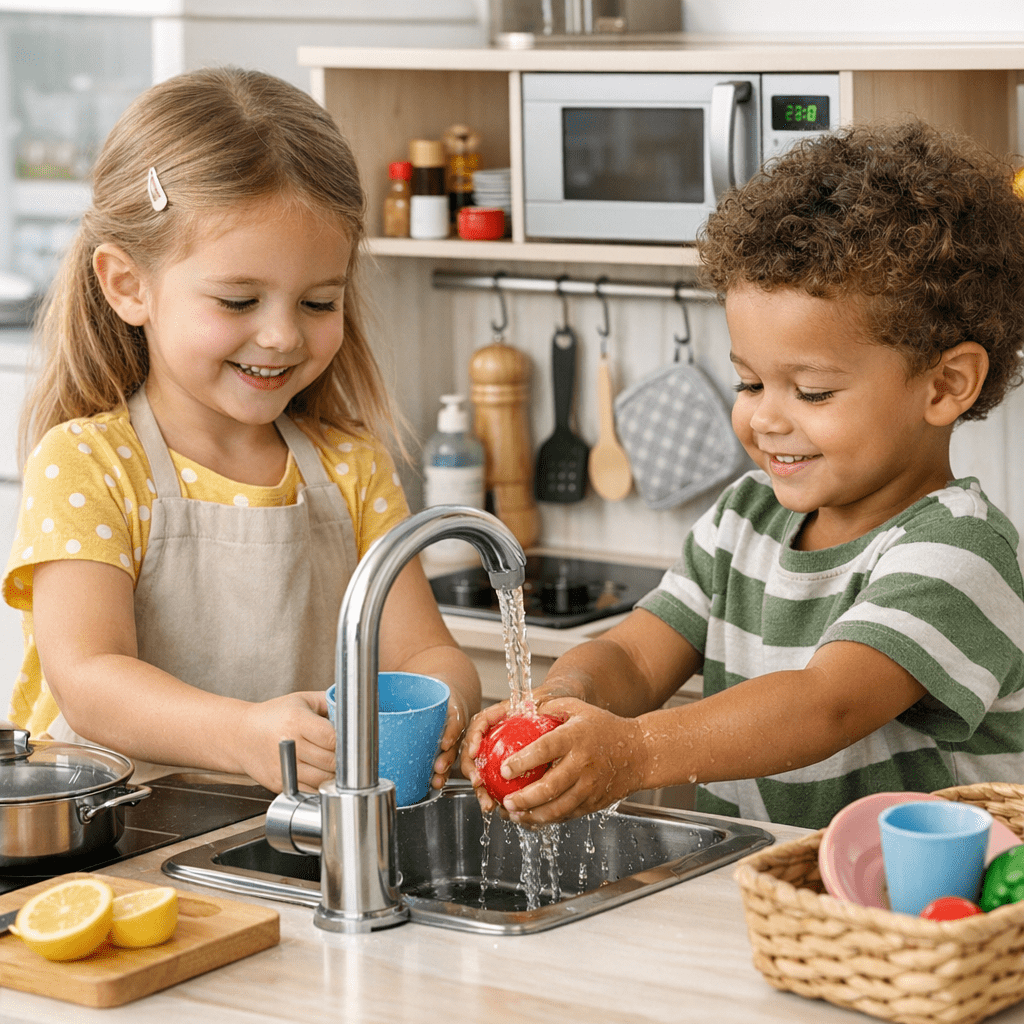
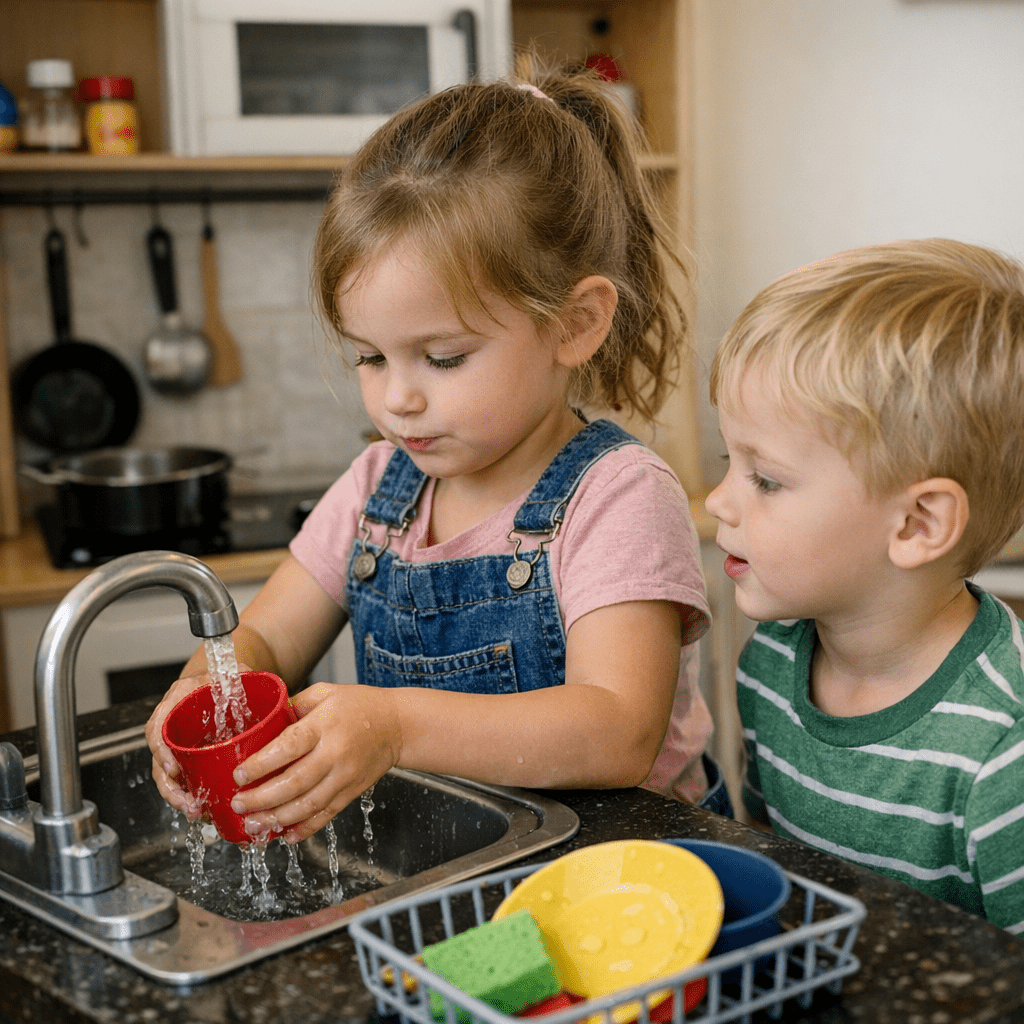
Here’s the thing about kids’ play kitchens: they’re not just toys. At their best, they’re mini worlds where imagination, creativity, and even a little real-world problem-solving come into play. But if you’re looking for one with running water—yes, actual running water—you’ve entered a new level of realism. It’s exciting, but also tricky. There are tradeoffs to weigh and features that can make or break your purchase.
Let’s talk about what matters most when choosing the right kitchen set for your little ones in 2026.
—
Why Running Water Changes Everything
A pretend kitchen with running water isn’t just a step up—it’s a whole different category of play. Kids love anything that feels real, whether it’s pouring “juice” into plastic cups or pretending to wash dishes in the sink. Adding working faucets makes it interactive in ways standard sets can’t match.
But here’s where it gets tricky: running water means you’ll be dealing with plumbing-like tubes, pumps, and potential spills. So while it sounds like fun (and it is), you’ll want to make sure the setup works smoothly and doesn’t turn into a maintenance headache.
—
1. Pump Type: Manual vs Electric
This is the first big decision. Play kitchens with running water rely on either manual pumps (you push or squeeze something) or battery-powered electric pumps to move the water.
- Manual Pumps
Pros? No batteries required—just good old-fashioned kid muscle power! They’re simple and often less prone to breakdowns because there are fewer moving parts. But let’s be honest: some kids won’t love having to pump repeatedly just to get things flowing.
Example: A basic model we tried had a push-down pump that worked fine at first but left our toddler frustrated after five minutes of “pumping fatigue.”
- Electric Pumps
These feel more high-tech and effortless since they create a steady stream of water at the push of a button. It’s closer to what kids see in real sinks at home, which ups the realism factor big time. The downside? Batteries die—sometimes quicker than you’d expect—and replacing them becomes your job (again).
If I had to pick one? Electric pumps win for convenience, but manual ones have fewer headaches long-term. Learn more about portable options with pumping systems here.
—
2. Water Reservoir Size
Here’s an underrated feature that makes all the difference: how much water does this thing actually hold? Smaller reservoirs mean refilling constantly, which gets pretty annoying after day two of heavy use.
On average, most kitchens designed for toddlers hold around 0.5 liters of water—a decent amount for short bursts of play but not enough for extended washing “marathons.” If you’ve got older kids who are likely to go all-in pretending they’re culinary geniuses hosting dinner parties, aim for something bigger (1 liter or more). Just keep an eye out; larger reservoirs sometimes make these sets bulkier and harder to store in tight spaces.
—
Doctor Play Kit vs. Nurse Playset: Which Is Best for Your Child?: Practical Play
3. Mess Control Features
Let me ask you straight: Are you ready for spills? Because they will happen—especially if younger kids are involved—or if the design isn’t leak-proof.
The best running-water play kitchens include smart mess-control features like:
- Drip trays under sinks
- Overflow protection around reservoir openings
- Closed-loop systems that recycle unused water back into the reservoir
One great example I tested recycled leftover faucet runoff directly back into its holding tank via hidden tubing beneath the sink—a clever design that saved us from cleaning puddles every time my toddler decided washing plastic veggies was her life goal.
That said, budget models tend to skimp on these extras—and trust me when I say cleanup duty gets old fast without them!
—
4. Material Quality: Plastic vs Stainless Steel Look
Most children’s kitchens are made from durable plastics because they’re lightweight and easy for small hands to handle—but don’t underestimate how much premium materials elevate both style and longevity.
Some higher-end models now incorporate stainless steel finishes on their faucets or sinks, giving them almost lifelike realism (and making parents feel less like they’ve brought another giant toy into their living room). Sure, these tend to cost more upfront—they start around €150—but if durability matters or aesthetics are part of your buying criteria? Worth considering.
Budget-friendly all-plastic sets still do just fine as long as they use sturdy molds that won’t crack under pressure (or during enthusiastic dish-cleaning sessions).
—
5. Interactive Add-Ons That Make Playtime Better
Running-water kitchens aren’t just about sinks—they often come bundled with extras that make pretend cooking even more fun:
- LED-lit stovetops mimicking gas flames
- Realistic sound effects like bubbling pots or sizzling pans
- Modular components like separate fridge units
These bells and whistles add serious magic—but don’t overdo it unless your kid really loves extended roleplaying scenarios involving multiple appliances (spoiler alert: some toddlers lose interest fast). That said, we found modular sets particularly handy since you can adjust them as your child grows—or store parts away when space runs tight.
For compact setups perfect for apartments or smaller rooms learn more.
—
Comparison Table: Key Features Breakdown
| Feature | Manual Pump Kitchen | Electric Pump Kitchen | Premium Modular Kitchen |
Los 7 mejores sets de maquillaje para niñas bajo $50 en 2024: guía práctica con
|————————|————————–|————————–|————————-|
| Water System | Manual squeeze/push | Battery-powered faucet | Electric pump w/ recycling |
| Reservoir Size | ~0.5 liters | ~1 liter | Adjustable (~1–2 liters) |
| Mess Control | Basic spill tray | Advanced overflow system | Closed-loop recycling |
| Material Quality | Plastic only | Plastic + metal accents | Stainless steel options |
| Price Range (€) | €70–€100 | €120–€180 | €200+ |
—
Honest Tradeoff Moment
I’ll admit—I hesitated before buying my daughter her first kitchen with running water because I worried about maintenance nightmares (water dripping everywhere!). And yes—it wasn’t perfect; our electric-pump model did clog once when someone stuffed noodles down its tiny drain hole… But watching her light up every time she turned on her “sink” convinced me it was worth every drip-filled moment!
If you’re unsure whether this feature fits your family dynamic—or just want simpler alternatives without plumbing drama—check out these lower-maintenance pretend sets here.
—
Final Takeaway
Play kitchens with running water bring an incredible level of immersion—but only if they strike the balance between fun features and practical usability. My advice? Prioritize mess control above all else—it saves sanity—and don’t skimp on durable materials if longevity matters in your household chaos equation!
What do you think? Would one of these upgrades transform playtime at home—or leave you wishing you’d stuck with something simpler?
Related Links
How to Dropship Role-Play Beauty Sets for Kids: A Step-by-Step Guide: Practical Playbook with Real Examples - Crown Toys
[…] Top Features to Consider When Buying Kids’ Play Kitchens with Running Water: Practical Playbook wi… […]
Doctor Play Kits vs. Kitchen Playsets: Which Is the Better Gift for 3–7 Year Olds?: Practical Playbook with Real Example - Crown Toys
[…] learn more · learn more […]